
Tampa Bay Rays Stadium Vote: Redevelopment Agency Cuts August Agenda
The new ballpark dream keeps shrinking, and the city’s leverage with it.
 Beatrice Kensington6 min read
A stadium plan with less city muscle behind it
The Tampa Bay Rays spent years chasing a permanent home that could anchor their future and finally quiet the serial uncertainty that has shadowed the franchise like summer thunder over the bay. Now the latest turn is not a ribbon-cutting or a financing breakthrough, but the absence of a vote — a small bureaucratic omission that carries the weight of a much larger retreat.
Tampa’s redevelopment agency has removed a stadium vote from its August agenda, and that matters because these projects live or die on momentum as much as money. Once a public body stops moving forward, the whole enterprise starts to feel less like a plan and more like a negotiation with the clock.
Stadium deals rarely collapse with a bang. More often, they are starved one committee agenda at a time.
Ken Babby’s message: the team may not wait around
Rays CEO Ken Babby said the club is considering a deal that would not require money from the city’s redevelopment agency. That is not a throwaway line. It is a signal, and a pointed one. If the team can imagine a path without that public contribution, then the political center of gravity shifts immediately.
For city leaders, the stakes are obvious. Public dollars, even when routed through redevelopment authorities rather than the general fund, invite scrutiny over what a stadium really returns: jobs, tax base, neighborhood revival, civic pride, or simply another elegant building whose economic promise gets oversold before the first pitch. For the Rays, the calculus is just as plain. They need certainty, but certainty has a price, and the longer it takes to arrive, the more leverage evaporates from the side still asking the public to help pay for it.
This is where the project begins to resemble other modern stadium fights, from the long tug-of-war around Major League Baseball ballparks to the civic arguments that surround almost every publicly backed sports venue. Teams arrive speaking the language of regional identity. Governments answer with spreadsheets, traffic studies, and political caution. Both sides claim to want the same thing. Neither side fully trusts the other.
Why a missing vote can matter more than a grand announcement
In public finance, a deferred vote is not neutral. It is friction. It tells developers, investors, and taxpayers that the path forward is no longer smooth or assumed. That can change the terms of a deal, the tone of a hearing, and the posture of every person in the room.
For Tampa, the practical effect is that the stadium conversation is no longer centered on an August milestone. It drifts. And when these projects drift, they become vulnerable to whatever the calendar throws at them next: budget stress, competing civic priorities, election-year theater, or the simple fatigue that sets in when a city has been asked to keep believing.
The Rays’ position is also telling because it suggests a club trying to keep options open while preserving bargaining power. A team that says it can proceed without one particular pot of public money is not necessarily abandoning the public sector. It may be trying to divide the question into cleaner pieces: what the team will pay, what private partners will cover, what the city is still willing to justify.
That is the language of leverage, not closure.
The Tampa Bay problem is bigger than one agenda item
The Rays have lived with stadium uncertainty for so long that it has become part of the franchise’s weather system. Every season starts under the same cloud: the club can win, can develop talent, can draw thoughtful baseball crowds, and still remain defined by where it might play five or 10 years from now. That kind of instability has a cost that does not appear in the standings.
It affects attendance patterns, corporate interest, and the city’s own willingness to imagine the team as a permanent civic institution rather than a tenant on probation. It also places pressure on fans, who are asked to invest emotionally in a club whose future seems perpetually under construction.
There is a human side to that, too. Employees, neighborhood businesses, planners, and local officials all get caught in the same slow churn of expectations. Stadium talks are often described as a game of public money and private ambition, but in practice they are a test of patience. And patience, unlike a bond package, does not scale cleanly.
My read: the team is testing whether the city still needs the team more than the team needs the city
I have covered enough of these civic chess matches to know that the loudest moment is often not the decisive one. The real tell is when a side stops asking for a vote and starts floating life without it. That is not surrender. It is reconnaissance.
My sense is that the Rays are probing the city’s attachment, and its appetite, at the same time. If public money becomes harder to secure, the club can either treat that as a setback or use it to argue for a leaner, more politically survivable version of the project. Either way, the old assumption — that the public will eventually come through because the franchise is too important to let drift — looks far shakier now.
And Tampa should be careful with the emotional arithmetic here. Cities sometimes confuse wanting a team with underwriting its every need. A franchise may be part of the civic fabric without being entitled to every stitch.
The larger lesson is uncomfortable but plain. In an era when stadium subsidies face sharper public resistance, teams that want a new home will need more than promises of redevelopment and renewal. They will need a story that survives contact with skepticism. They will need numbers that do not crumble under daylight. They will need to prove that the building is not just a monument to baseball, but a fair bargain for the people asked to help raise it.
What to watch next in Tampa
Watch for the city to clarify whether the missing vote is a pause, a warning, or the first sign that the public financing structure is being rewritten. Watch for the Rays to keep talking about alternative paths, because that is how pressure is applied without sounding like pressure.
And watch the calendar. These deals do not die all at once. They loosen. They fray. Then one day everyone in the room realizes the future they had been discussing in public is no longer the future anyone is actually building.
Tampa knows the feeling now. The next move will say whether this project still has a heartbeat, or only a pulse on paper.
More from Straight From The Bench
Comments
Join the conversation — sign in to leave a comment.
Sign in to commentRelated Stories

Yankees vs Phillies: Cam Schlittler’s 12-K Gem Steadies the Bronx
Cam Schlittler overpowered the Phillies with a dozen strikeouts, and the Yankees escaped with a taut, necessary win. It was the sort of outing that makes a rotation feel less like a problem and more l
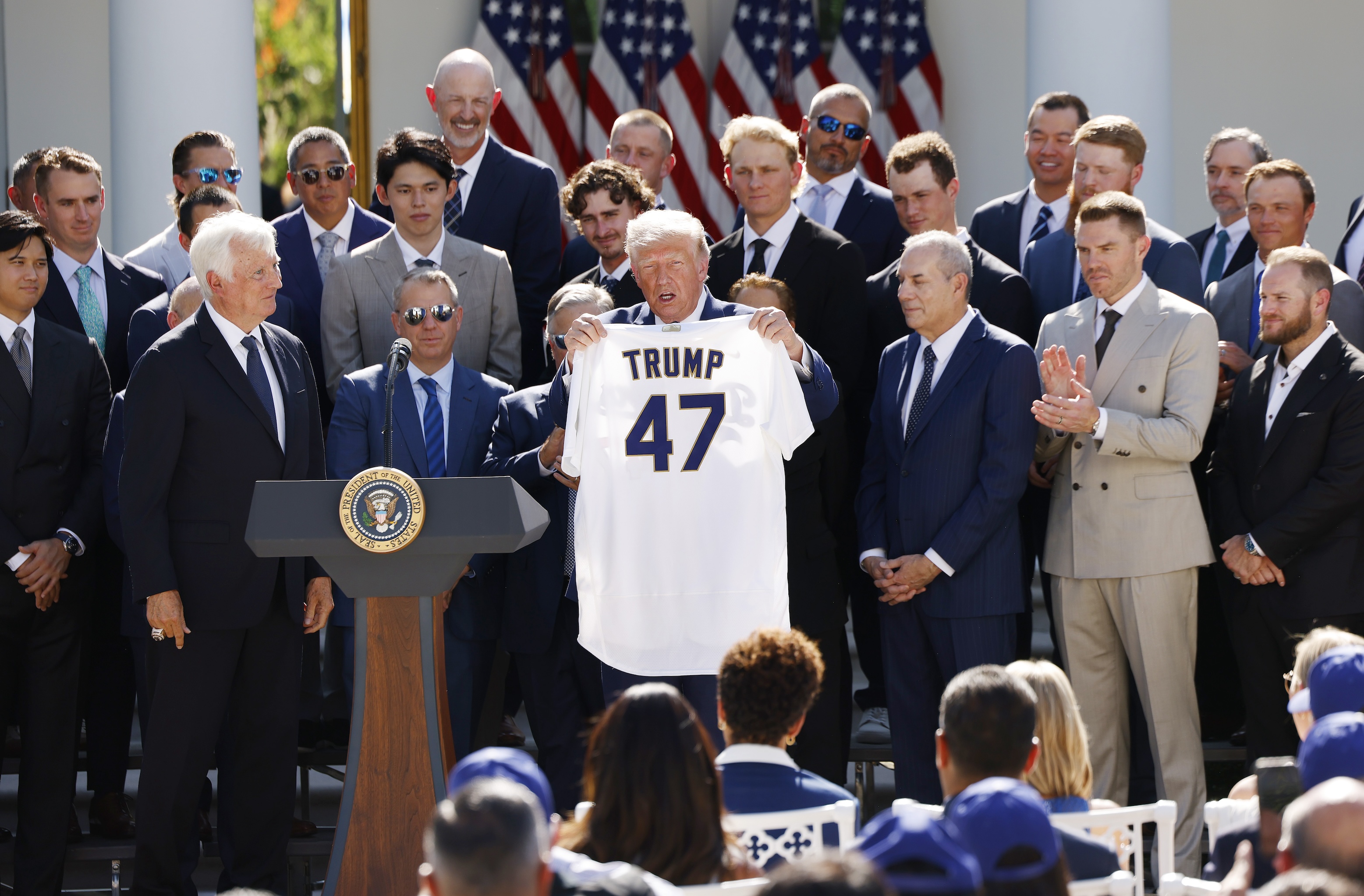
Dodgers at the White House: Trump’s Grandstanding, MLB’s Optics
The Dodgers’ White House stop was never going to be just baseball. It was politics, optics and the same old Trump show rolled into one tight frame.

Ronald Acuña Jr. Injury Update: Braves Still Waiting on Return
Acuña is still out, Jorge Mateo gets a strange little cameo, and Atlanta keeps playing the waiting game. That’s baseball, with the clock stuck in mud.