
2026 U.S. National Championships Day 1 Prelims: Women’s 100 Free
Erisman headlines a fast, crowded morning in Irvine
 Leo Lupo5 min read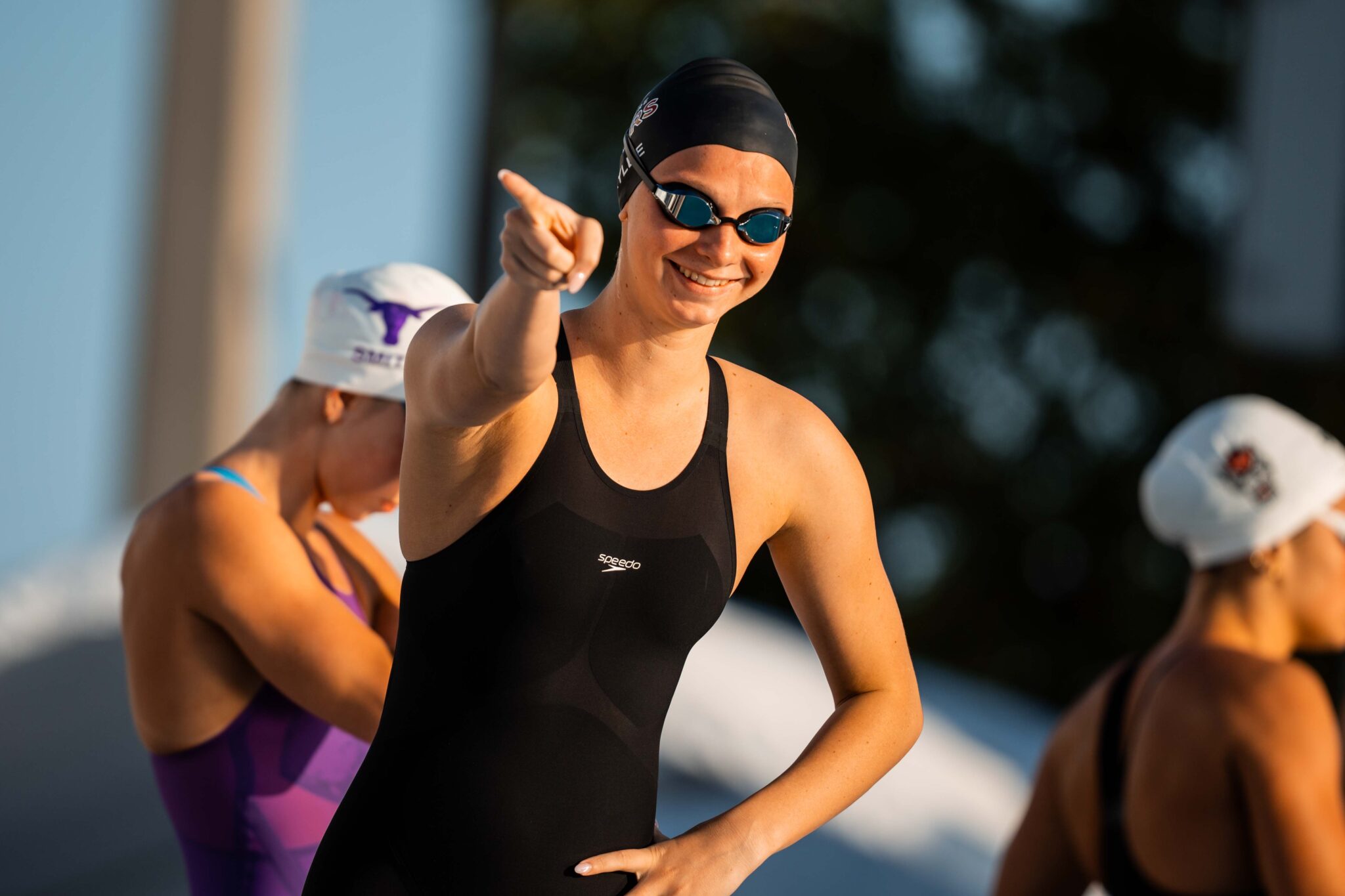
The first splash of the 2026 U.S. National Championships comes with a field that does not smell like a tune-up. It smells like a fight. The women’s 100 free is packed, the lanes are tight, and Rylee Erisman walks in with the kind of target that comes with being a world junior champion and a name people already circle before the heat sheets even dry.
Irvine is not handing out soft touches this morning. This is the kind of prelim where somebody who thinks she can ease through on talent gets shown the door by lunch. The 100 free has a nasty habit of embarrassing the lazy and rewarding the sharp. One bad turn, one sleepy breakout, one breath too many, and the whole thing gets ugly in a hurry.
Erisman brings the headline, but the field brings the heat
Erisman is the focus because that’s how these meets work. Somebody gets hot on the junior circuit, somebody starts showing senior-level teeth, and suddenly the whole country wants to know if the kid can handle the jump. Fair enough. That jump is real. The women’s sprint free in the United States has never been a place for tourists.
Still, one swimmer does not make a morning. A loaded 100 free is a grinder’s event disguised as a glamour event. It is all about details the camera barely catches: the first 15 meters, the clean water off the turn, whether the second lap is a controlled burn or a flat-out collapse. That’s where these prelims get decided. Not in the warm-up deck chatter. Not in the social media crownings. In the ugly little stuff.
The 100 free does not care about reputation. It only cares who finishes fastest after the breathing starts to hurt.
That is why Erisman matters today, and why the rest of the field matters just as much. A young swimmer with momentum has to prove she can survive a crowded national championship morning without getting swallowed by it. Veterans, meanwhile, know the trick: don’t win the meet in prelims, but don’t get cute either. Plenty of fine swimmers have learned the hard way that “saving it” and “missing it” can look awful similar on the timing board.
Why Day 1 prelims are already a test of nerve
First-day prelims at a national meet have a sneaky way of exposing the room. Everybody arrives talking about taper, training blocks, and what they’ve been holding back. Fine. Nice speech. Then the whistle blows and the truth comes out in 47.8 seconds or whatever the day demands.
This is where the meet’s personality starts to form. If the top names cruise, the mood shifts. If the underdogs start throwing elbows in the lane count, it becomes a proper championship. And if Erisman looks comfortable here, that tells you more than one race result. It tells you she’s carrying speed, and more important, she’s carrying it with a head on her shoulders.
The women’s 100 free also has a ripple effect beyond this one event. The swimmers who show they can survive this field often end up shaping relay discussions, final lanes, and selection talk the rest of the week. That’s the real currency here. A fast morning in Irvine can turn into a lot more than a prelim result. It can put a swimmer right into the middle of the national conversation.
Irvine sets the stage for a proper summer grind
There’s a hard-earned dignity to a meet like this. Irvine is not a postcard town for casual observers; it’s a place where swimmers come to do their work and keep their heads down. U.S. National Championships are built on mornings like this — the early heats, the disciplined pacing, the little wars inside the bigger war.
And let’s not kid ourselves: the sport needs this sort of pressure cooker. Swimming sells itself as clean and precise, all shiny medals and records in neat little boxes. Nonsense. The good stuff is messier. It’s nerves. It’s timing. It’s who can hold form when the lungs are screaming and the pool suddenly looks a lot longer than it did in practice.
I’ve watched enough of these championships to know a simple truth: the first day tells you who came ready, and it usually tells you who’s bluffing. The swimmers who trust their work don’t pose for the morning. They get in, get out, and make the others chase them. The ones talking loud before the gun usually end up making excuses after it.
What I’m watching next, and why it matters
My eye is on how Erisman handles the round. Not the internet version of her, not the highlight reel version. The real one. Does she race the pool or the field? Does she stay patient through the first half and then pounce, or does she try to force the issue and spend the last 20 meters hanging on? Those are the tells that separate a promising name from a swimmer who can own a national stage.
I’m also watching the older hands in the event. Every deep sprint field has them — the women who have been around long enough to know exactly how to squeeze a prelim without spending too much of themselves. They’re dangerous because they don’t panic. They know that a championship is a week, not a morning. And they know a younger swimmer can be brilliant and still learn the hard way what a national-level lane assignment really means.
From a bigger-picture angle, this is one of those sessions that starts drawing the outline of the summer. The 100 free touches everything: individual medals, relay slots, team depth, and who gets treated like a real contender instead of a nice story. If Erisman is as ready as the buzz suggests, she’ll announce herself fast. If not, the field will remind her — and everybody else — that there are no gifts in American sprint swimming.
The first heat doesn’t make a champion. It does, though, show you who arrived with purpose. And in Irvine this morning, that’s already half the story.
More from Straight From The Bench
Comments
Join the conversation — sign in to leave a comment.
Sign in to commentRelated Stories

Pittsburgh Steelers Training Camp: No Live Tackling Under McCarthy
Mike McCarthy is dialing back the Steelers’ camp violence, ending live tackling sessions that once defined Pittsburgh’s summer. It signals a new bargain between toughness and survival.
Mets vs Braves Rain Delay: Split Doubleheader Set for Wednesday
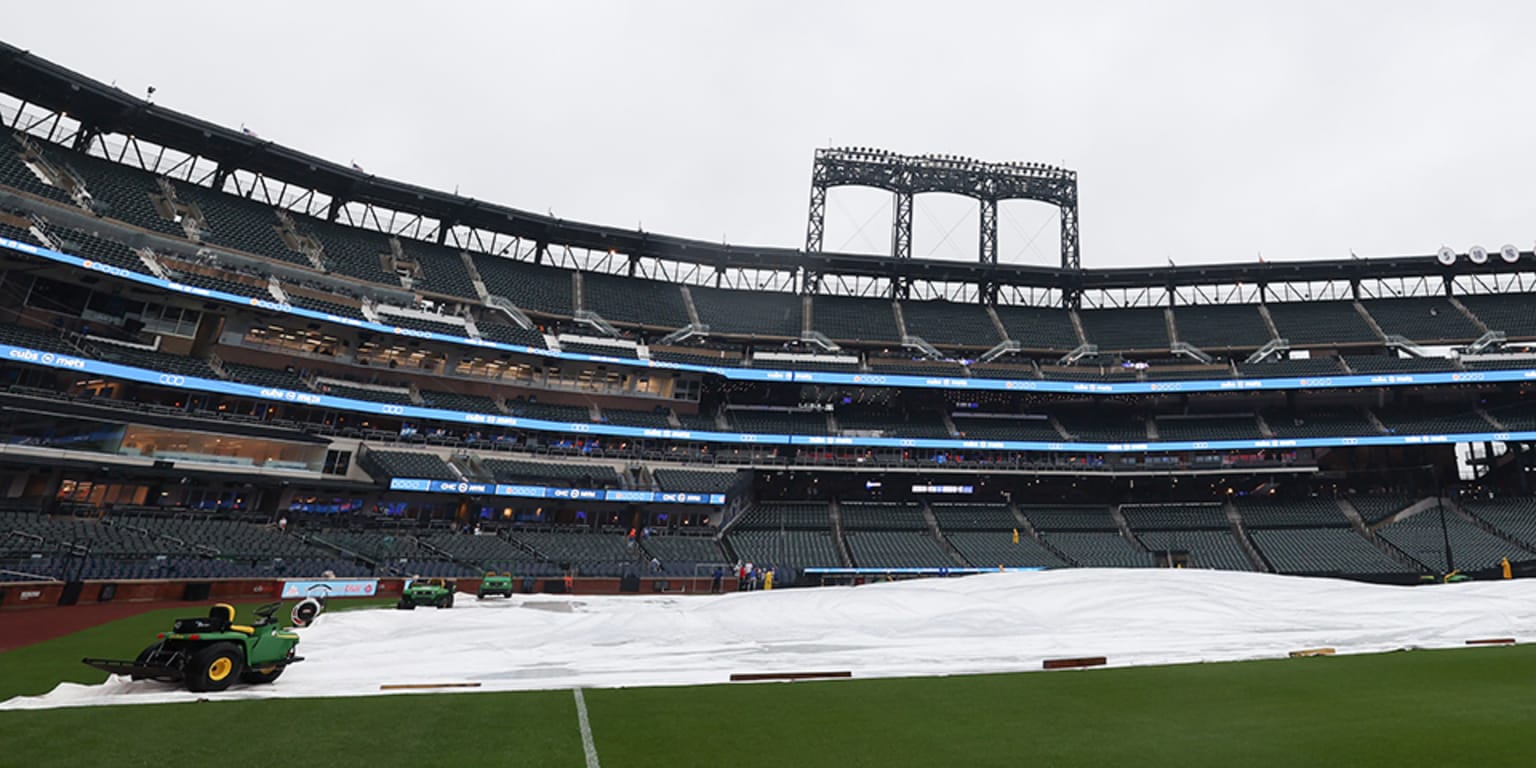
Tuesday’s Mets-Braves matchup was washed out by heavy rain in the forecast, pushing the rivalry into a split doubleheader Wednesday. That changes everything about how both clubs manage arms, lineups,

Vikings Brian O'Neill Contract Extension: Four-Year Deal
Brian O’Neill is staying in Minnesota through 2030, a move that steadies the Vikings’ line and signals a team still building around protection.