
Mets vs Braves Rain Delay: Split Doubleheader Set for Wednesday
Queens gets a weather delay, and now the bullpen math gets real.
 Zane Miller5 min read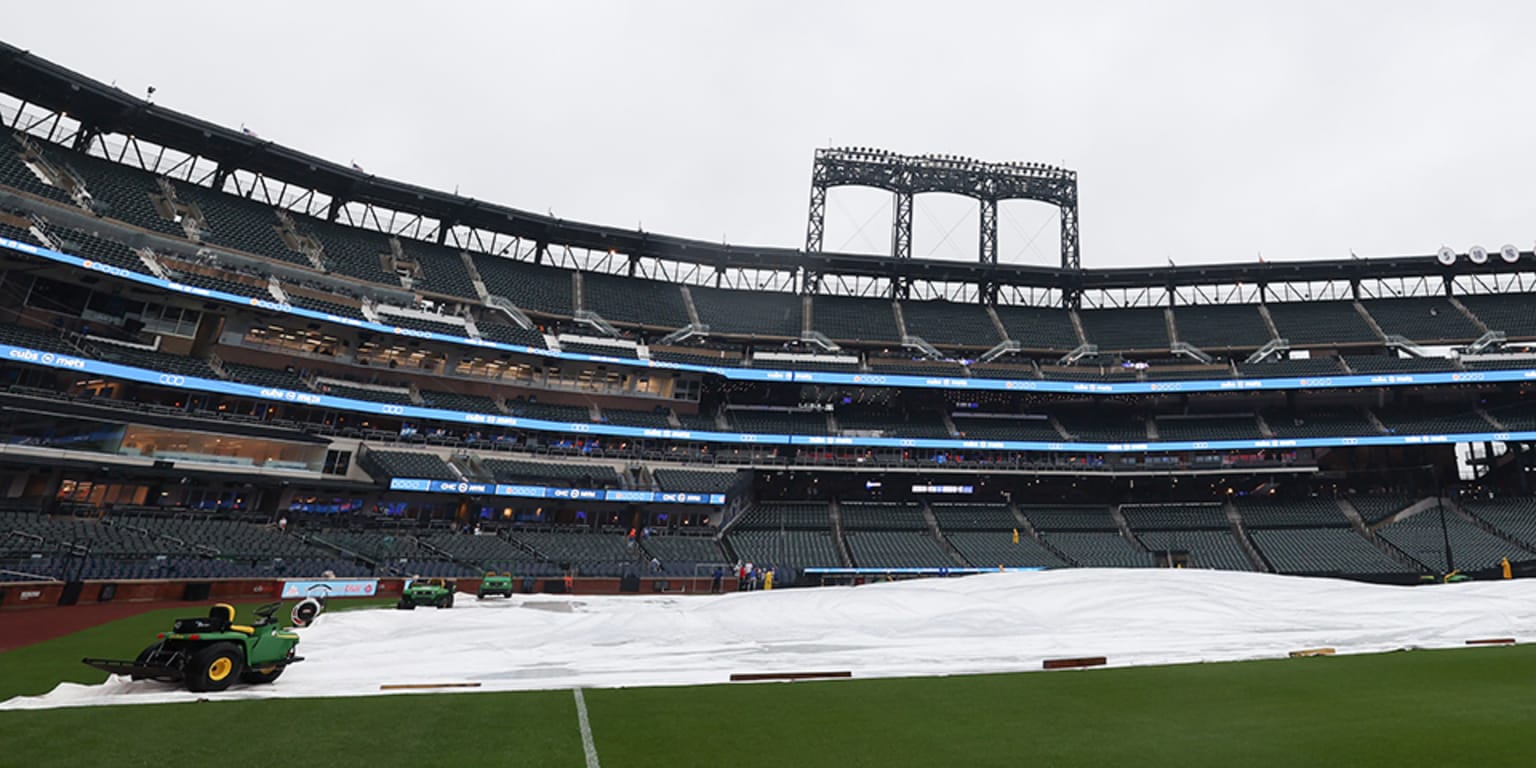
Queens got the kind of Tuesday nobody wanted: no baseball, just a forecast that beat the first pitch to the punch. The New York Mets and Atlanta Braves were postponed by heavy rain in the area, and now they’ll have to grind through a split doubleheader Wednesday at 1:10 p.m. and 7:10 p.m. ET.
On paper, it’s a calendar adjustment. In practice, it’s a pressure point. Doubleheaders in September-style baseball mentality — even when the calendar says midseason — force managers to burn through depth, test the back end of a bullpen, and live with decisions that would normally be spread across two clean game days. The rain didn’t just move a game. It compressed leverage.
A clean postponement, a messy baseball day
This is the kind of delay that looks harmless from the outside. A forecast turns ugly, the field stays wet enough to make everyone nervous, and the league plays it safe. Fine. Smart, even.
But the ripple effect is where the story lives.
A split doubleheader is not the same animal as a makeup game dropped into a normal series. You’ve got one game in the early afternoon, another at night, and everything in between becomes a chess board. Starting pitchers are now tied to a shorter cycle. Bullpens don’t get to reset. Bench bats matter more because teams will want to protect regulars somewhere in the middle of all that.
And because this is Mets-Braves, nobody is treating it like a sleepy makeup date. These are two clubs with real expectations, real payroll pressure, and real eyes on the standings. The MLB schedule never asks if a rivalry is convenient. It just hands you the bill.
The bullpen tax gets paid first
The first thing I look at in a setup like this is the relief corps. That’s where the damage shows up fastest.
A doubleheader can turn a manager into a firefighter. If the first game gets weird — and one of these almost always does — the second game can become a patchwork exercise. That means more midgame decisions, more matchup hunting, and more stress on arms that were already mapped for a normal series.
If you’re the Mets, you’re probably thinking about how to get through the day without overextending the high-leverage group. If you’re the Braves, same thing. Nobody wants to hand out extra outs in a series that can swing momentum fast. These clubs know each other too well for that.
Doubleheaders don’t just create extra innings on the schedule. They expose roster depth in broad daylight.
That’s the real angle here. The front offices spend all year building for stretches like this — not necessarily for the headline game, but for the ugly math that comes with it. Can a team survive five or six innings from a starter and still hold the late game together? Can the bench give you one extra competitive at-bat without draining tomorrow too?
Those answers usually decide more than people think.
Lineup decisions will tell the story
This is where managers earn their money. Split doubleheaders are about balance: who needs rest, who can play twice, and who gets protected from the wear-and-tear trap.
A club with a deep bench can survive this better. A club already leaning on regulars for offense has to make tougher choices. You do not want to chase both games with the same emotional urgency and end up paying for it two nights later. That’s how a postponement turns into a week-long hangover.
The Mets and Braves both understand the stakes because they’ve lived this kind of thing before. A weather delay can alter the bullpen chart, but it can also change the offensive rhythm. Guys who were set to get one normal game now have to be ready earlier, then maybe again later. Timing matters. So does recovery.
This is where roster construction gets exposed. Teams talk all spring about versatility and depth. Here’s the test.
Why this matters beyond one rainout
I’ve always thought postponements tell you more about a team than the original game sometimes does. Not because of the weather, obviously. Because of how a club handles the inconvenience.
Some teams take the hit, shuffle the deck, and stay controlled. Others start overthinking the day before the first pitch even goes out. The best organizations treat it like part of the job. They don’t dramatize it. They just solve it.
And that’s the bigger signal here for both the Mets and Braves. Not who wins Game 1 or Game 2 — though, yes, that matters. It’s whether either side can treat a noisy schedule twist like a business trip instead of a crisis. The contenders usually do. The teams with cracks usually make the day look heavier than it is.
I’ll say this: in a division race, a makeup doubleheader isn’t a footnote. It’s a stress test. These are the days that reveal who can absorb a bad break without letting it metastasize into three bad ones. The clubs with October habits do that. The others get dragged.
For background on how both franchises have shaped this rivalry, the Mets and Braves have spent decades making each other’s lives annoying. This is just the 2026 version of the same thing: one weather report, two games, and a whole lot of roster management.
What to watch Wednesday
The first game sets the tone. If it runs long or gets bullpen-heavy, the nightcap becomes a survival assignment. If it’s clean, both teams can breathe a little and focus on the late window.
Watch the starting pitchers, sure. But watch the second and third layers of both bullpens. That’s usually where a doubleheader starts taking names. Also watch for lineup rest choices. If one club sits a regular, that’s not a nothing move — that’s a manager telling you where he thinks the day’s edge is.
The weather already won one round. Now it’s about which dugout handles the cleanup better.
Wednesday is going to feel like a long day in Queens. The smart team won’t try to win it all in the first game. It’ll just keep itself alive for the second.
More from Straight From The Bench
Comments
Join the conversation — sign in to leave a comment.
Sign in to commentRelated Stories
MLB Trade Deadline 2026: One Deal Every Team Would Make
The deadline needs a shove, and plenty of clubs still need one honest move more than a pile of rumors. Here’s the kind of trade that could actually matter.

Curtis Mead Red Sox Slugger: Why a Simpler Swing Changed Everything
Curtis Mead was never short on talent. He was short on simplicity. Boston’s new slugger found a cleaner lane in Washington, and the numbers finally started to breathe.
MLB Trade Deadline Questions: Brewers Aggression and Mets Strategy
With the deadline looming, Milwaukee and New York sit at different crossroads. One is tempted by urgency, the other by patience—and both choices carry a price.