
MLB Trade Deadline Questions: Brewers Aggression and Mets Strategy
The market is open, and the season’s quietest teams may decide the loudest October.
 Beatrice Kensington6 min read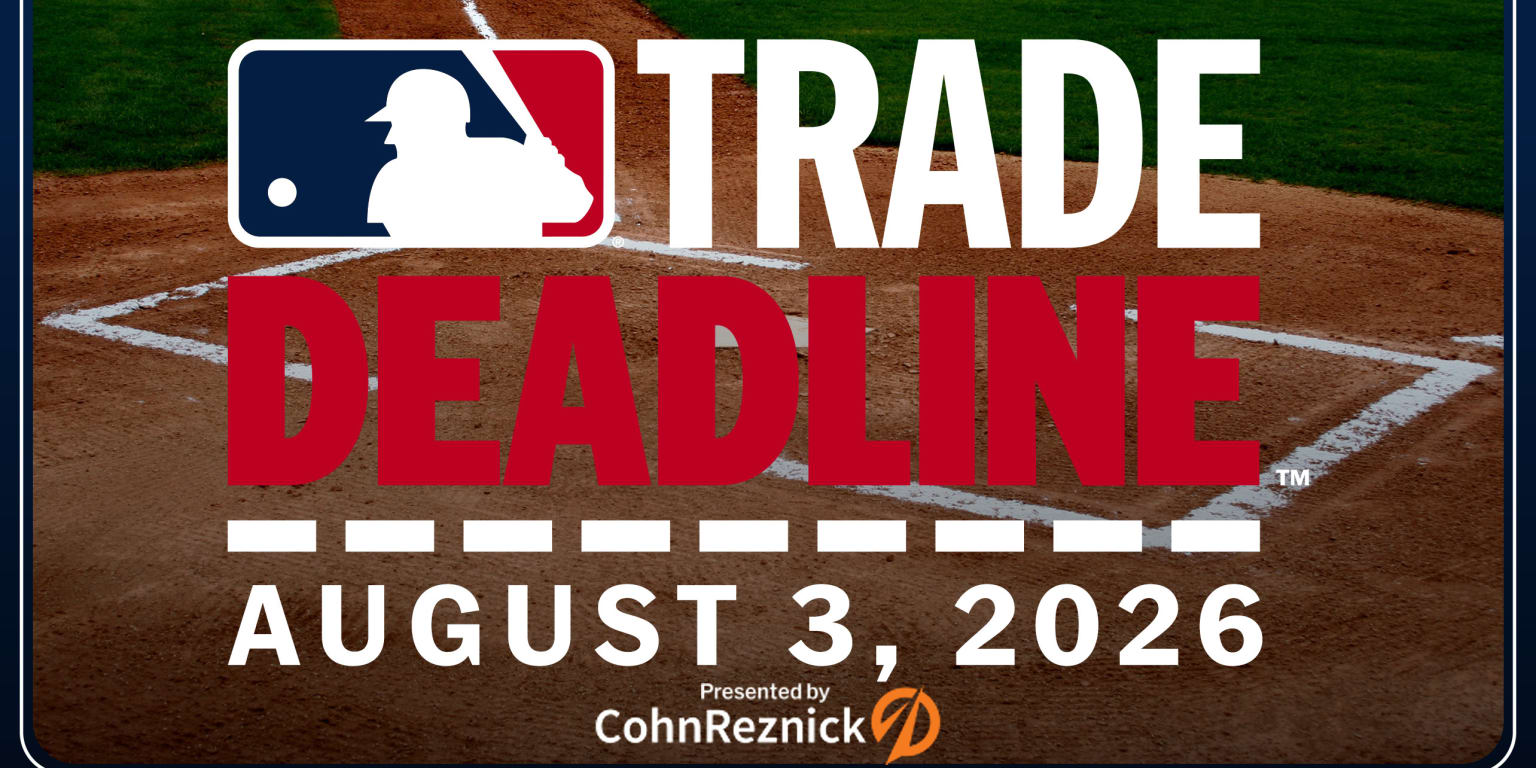
The trade deadline always arrives with a little theater attached, but this year the curtain feels thinner than usual. There are buyers with bruised pitching staffs, sellers trying to wring value from expiring contracts, and a few clubs—chief among them the Milwaukee Brewers and New York Mets—standing in the narrow space between ambition and restraint. That is where the real deadline story lives. Not in the names that will dominate the chatter for a day or two, but in the clubs that must decide whether they are building for a pennant race or merely renting hope.
Milwaukee’s familiar temptation: lean in while the window is open
The Brewers have spent years making the case that a sharp organization can outwit richer rivals. They do it with pitching development, with platoons, with the kind of roster management that treats every marginal win like a precious coin. And yet the deadline has a way of exposing even the most disciplined front office. When a team sits close enough to the prize, the old question returns: do you trust the structure, or do you press harder and buy the missing piece?
Milwaukee’s calculus is not glamorous. It rarely is. The Brewers do not need fireworks; they need enough offense to make their run prevention matter in October, enough depth to survive the little fractures that usually end a season one inning at a time. The temptation is to spend prospect capital on a bat or a bridge arm, to tell the room that this year is different because the standings say so. But deadline aggression has a cost. For a club like Milwaukee, the wrong move can weaken the next good team in order to feed the present one a slightly better chance.
That tension gives the Brewers a harder assignment than the public might think. Aggressive? Yes, perhaps. Reckless? They cannot afford it. A small-market contender has to thread the needle with the steadiness of a tailor, not the ego of a gambler.
The Mets and the uneasy art of choosing a lane
The Mets live in a different universe, though not necessarily an easier one. They carry a larger payroll and a larger burden, which is its own kind of weather system. For them, the deadline is not just about adding talent. It is about explaining the year to themselves. Are they close enough to justify expensive reinforcement? Are they too flawed to make a meaningful push? Or are they, as so many July clubs become, trapped in the soggy middle, too talented to punt and too inconsistent to trust?
That middle is where front offices often lose their nerve. The Mets have a fan base that has seen both lavish promises and brutal arithmetic. They know how fast a season can become a debate about accountability rather than baseball. So the strategy matters not only for the current roster, but for the tone of the organization. A club that hesitates can look uncertain. A club that overreacts can look desperate. The trick is to identify whether the next move is a patch or a statement.
And there is a difference.
The deadline punishes teams that mistake noise for progress.
New York’s best path may be the one that sounds least satisfying on talk radio: deal for fit, not for sizzle. Improve the run prevention. Protect the bullpen from overload. Add a player who lets the manager stop juggling the lineup as if he were trying to catch falling glass. If that sounds understated, so be it. Championships are often assembled by subtraction of chaos.
The one deal already done changes the tone
The market has already moved once, and that matters. One early trade does what early trades always do: it proves the door is open and tells every other club the price of hesitation. Once a notable move lands, the rest of the league starts negotiating against a new emotional baseline. Buyers panic a little. Sellers become pickier. General managers who wanted calm are forced into a week of reading the room like a card shark.
That is why the next few days will not be shaped only by available talent. They will be shaped by fear. Fear of missing the right arm. Fear of paying too much. Fear of watching a division rival get better while you explain patience to a clubhouse that has been hearing that word since spring training.
For teams on the edge, the deadline is also a referendum on scouting trust. Which clubs believe they can identify a player’s actual worth rather than his public reputation? Which clubs can separate a useful fit from a headline fit? The teams that win in late July are often the teams that understand markets better than their opponents do. In baseball, as in life, that sort of literacy pays.
What this says about the modern deadline market
I have always believed the trade deadline reveals a club’s moral weather. Not morality in some grand sense, but character in the practical form teams actually live by: patience, nerve, vanity, discipline. A front office can say it values the long view, yet one hot week in late July will tell you whether those words were sturdy or merely decorative.
The modern deadline has also grown more cautious than the old baseball myths would suggest. The blockbuster still gets attention, but the smarter organizations often prefer the smaller, cleaner transaction—the rental reliever, the controllable role player, the bullpen arm with one good adjustment away from usefulness. That makes the market less cinematic and, in some ways, more honest. Teams know more now. They also know more about their own flaws. The trade that once would have been sold as boldness is today often recognized as a temporary fix with a prettier label.
Milwaukee and New York, each in their own way, must decide whether they are chasing October leverage or merely chasing the feeling of motion. There is a difference between improving and signaling. The best clubs understand it. The anxious ones confuse the two.
I think this is where smart organizations earn their reputation. Not by doing the obvious thing, but by resisting the loud one. The clubs that survive deadlines well usually have a clear answer to a simple question: what, exactly, is the missing piece worth? If the answer is honest, the deal tends to be sound. If the answer is emotional, the future usually sends the invoice.
For a club like Milwaukee, that means one surgical addition could be enough to keep the season alive without handing away tomorrow. For the Mets, it means deciding whether to buy belief or preserve flexibility. Both paths carry danger. Only one can be right.
The next 72 hours will tell on everyone
Watch the teams closest to the race, because their bids will define the market. Watch the sellers with leverage, because they will try to turn urgency into overpayment. And watch Milwaukee and New York in particular, because each has something to prove that goes beyond a box score.
The deadline is no place for poetry, but it produces it anyway: a prospect’s name finally becoming real currency, a contender choosing courage over caution, a front office discovering whether it truly meant what it said all winter.
Soon enough, the phones will stop buzzing and the league will have to live with its choices. That is the cleanest part of the deadline. The messy part comes after.
More from Straight From The Bench
Comments
Join the conversation — sign in to leave a comment.
Sign in to commentRelated Stories

Curtis Mead Red Sox Slugger: Why a Simpler Swing Changed Everything
Curtis Mead was never short on talent. He was short on simplicity. Boston’s new slugger found a cleaner lane in Washington, and the numbers finally started to breathe.
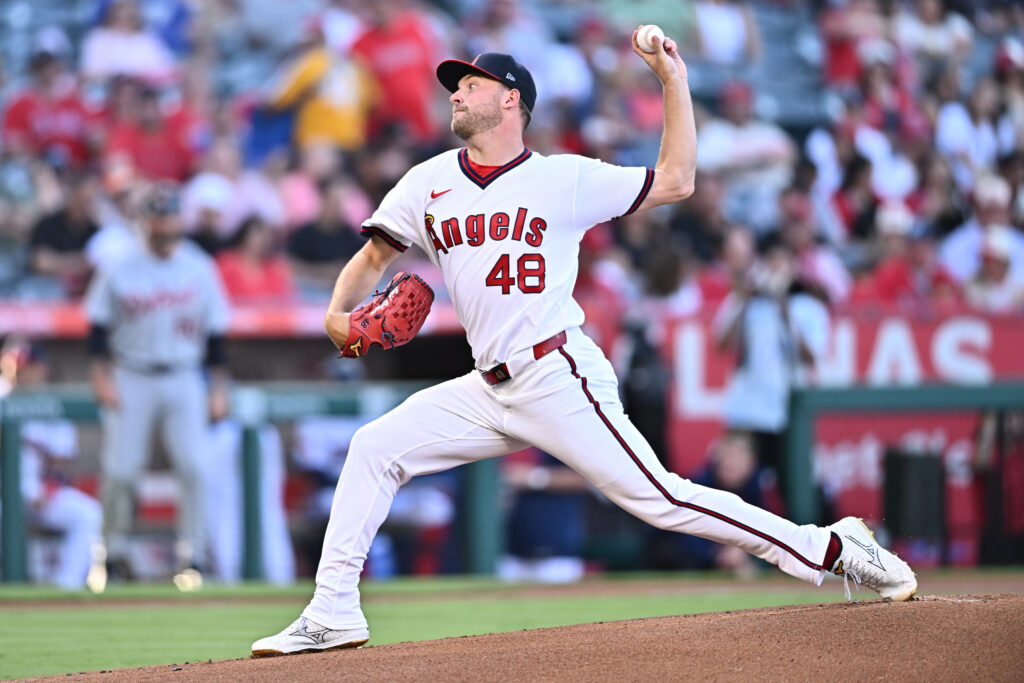
Reid Detmers Trade Rumors: Chicago Teams Circling Angels Lefty
The Cubs and White Sox are poking around Reid Detmers, and that tells you plenty about where the market is headed. One club wants a fix, the other wants a flip worth taking.

Yankees Trade Rumors: Skubal, Miller, Astros, and Deadline Pressure
The deadline clock is ticking and the Yankees are staring at a market that keeps getting tighter. Tarik Skubal, Miller, Houston, and bad news in the Bronx all point the same way.