
Guardians Logan Schmidt Signing: What the Draft Miss Means
One unsigned pick does not make a crisis, but it does reveal how thin the margins can be.
 Beatrice Kensington6 min read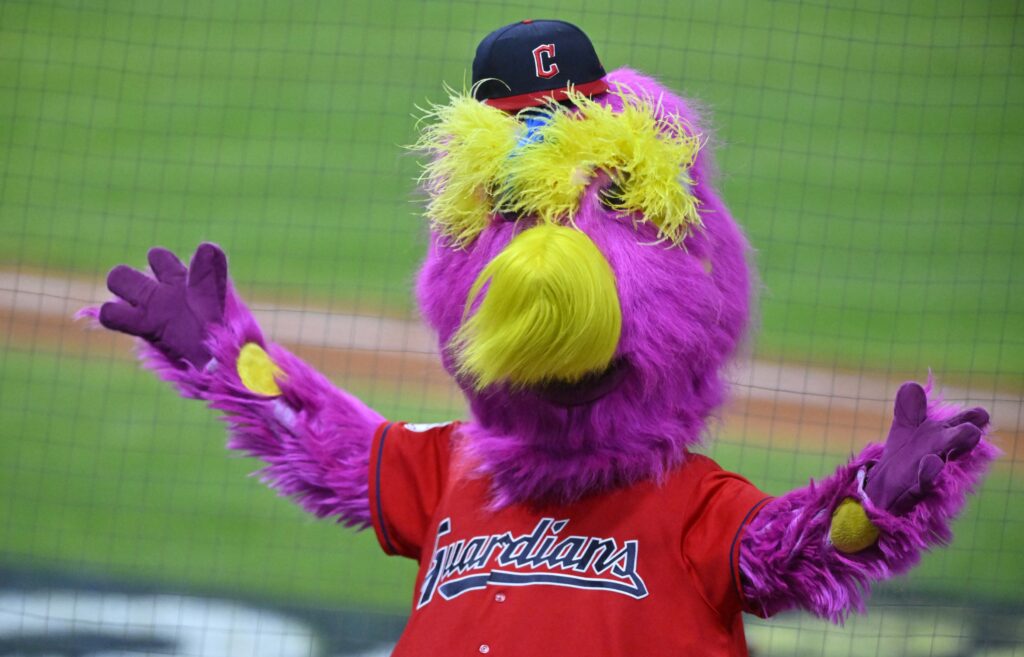
When the signing deadline passed Monday at 5 p.m. Eastern, the Cleveland Guardians were left with a familiar little piece of unfinished business: second-round pick Logan Schmidt still without a deal. In a draft class where nearly everyone else had put pen to paper, the silence around one unsigned player feels louder than the paperwork suggests. In baseball, the draft is never only about talent. It is about timing, bonus pools, risk tolerance, and the quiet math that turns amateur promise into organizational strategy.
The broad picture is simple enough. Most of the top 10 rounds are done, and the industry has moved on to the handful of names still hanging in the air. But the story behind an unsigned second-rounder is the one worth lingering over, because second-round picks are not throwaways. They are the players who sit in that shimmering middle ground: important enough to matter, uncertain enough to be bargained over. The Guardians are not merely deciding whether to pay a player. They are deciding how much certainty they want to buy with a finite pool of money and how much room they want to leave for the next deal, the next class, the next winter when baseball’s arithmetic gets cruel again.
A second-rounder is not a footnote
The draft has a way of flattering the illusion that every selection arrives with equal gravity. It does not. First-rounders carry the headlines, but second-round picks often represent the deepest tension in the system, where teams and families can see the outline of a major leaguer without agreeing on the price of admission. A club can love the arm, the bat, the ceiling — and still balk when the bonus number collides with the rest of the draft board.
That is what makes the Major League Baseball draft so much less tidy than the televised spectacle it pretends to be. It is a negotiation dressed up as a celebration. And when one of the better picks remains unsigned after the deadline, it usually signals one of two things: either the club was conservative with its slot money, or the player’s camp believes the market should have recognized him more richly. Sometimes both are true. Baseball, bless it, is a sport built on polite stalemates.
For Cleveland, the optics matter because the Guardians have spent years trying to thread the needle between competitiveness and constraint. They are not a franchise that can casually absorb inefficiency. Every dollar in the draft pool has a job to do. If Schmidt’s situation remains unresolved, it will invite questions about whether the club is protecting flexibility elsewhere or whether it simply misread where the room to sign him really was.
What the missed deadline really says
There is a practical side to this, and then there is the emotional one, the part that always gets airbrushed out of official statements. A second-round pick spends months imagining a first professional spring, a contract, a locker, a small step toward becoming real in a system that is forever trying to reduce human beings to projections. Missed deadlines can be corrected later, but they leave a bruise. Not because the player is ruined — he is not — but because the first chapter of the relationship has started with friction.
That friction can matter. Prospects notice. Agents notice. Other players notice, too, especially in an era when every club is selling culture as much as development. Teams like to talk about process, and process is useful right up until it begins to look like austerity with better branding. If Cleveland believes Logan Schmidt is worth investing in, the gap between selection and signing needs to shrink fast or the story becomes less about patience and more about posture.
In baseball, the unsigned pick is often less a mystery than a message.
This is where the Guardians’ front office earns its keep, or doesn’t. There is no virtue in being clever for clever’s sake. Saving a sliver of pool money only matters if it strengthens the class, and only if the player unsigned is not the one you most wanted all along. The club may have had a plan all summer. The deadline simply forced the plan into daylight.
The Guardians’ larger pattern of calculated discomfort
Cleveland has long lived inside baseball’s narrow seams, doing more with less and asking fans to admire the craftsmanship. There is nobility in that, but also risk. Organizations that pride themselves on efficiency can become too enamored of the spreadsheet’s neat edges, forgetting that players are not fungible units. They grow at different speeds. They respond differently to trust. They remember who treated the beginning of their careers as a transaction and who treated it as a promise.
My own view is that these draft stalemates reveal the soft underbelly of modern front offices. The data may be exquisite, but the human side remains stubbornly old-fashioned. A player wants to feel chosen, not processed. A club wants leverage, not sentiment. The game keeps pretending those desires can be reconciled without residue, and then a deadline like this arrives to prove otherwise.
I have covered enough roster cycles to know that the public usually learns to care only when the player becomes a problem, which is unfair to the player and lazy for the rest of us. The real story is often the negotiation itself — the gap between what an organization says it values and what it is willing to pay to secure it. Baseball has always sold itself as meritocracy, but the draft exposes its inheritance of compromise. Talent is the bait. The terms are the truth.
There is also a historical echo here that baseball never fully escapes. Every unsigned bonus dispute, every late-night haggling session, every “we expect to get this done” nod from a spokesman carries the same faint odor of the old reserve-era reflex: the club knows best, wait your turn, accept the machinery. The modern draft is kinder than that old order, but not nearly as generous as its public language suggests.
What to watch before the story drifts away
The next step is straightforward: whether Cleveland eventually signs Logan Schmidt and on what terms. If the deal lands close to slot, the episode becomes a procedural footnote. If it takes a haircut or a creative structure, then the Guardians likely spent the deadline protecting flexibility elsewhere. If he does not sign at all, the miss lingers as a lost asset and a reminder that even organizations with sharp scouting can trip over the economics of their own board.
It is easy to dismiss this as draft housekeeping. It is not. These little unresolved contracts are where front-office philosophy becomes visible. They tell you whether a club is disciplined or merely cautious, whether it knows the difference between leverage and penny-pinching, whether it understands that a prospect’s first professional handshake still matters.
For Cleveland, the next few days should be about making the story smaller, not larger. A signed agreement would do that. A delay would not.
The clock has already spoken. Now the Guardians have to answer it.
More from Straight From The Bench
Comments
Join the conversation — sign in to leave a comment.
Sign in to commentRelated Stories

Yankees Trade Rumors: Skubal, Miller, Astros, and Deadline Pressure
The deadline clock is ticking and the Yankees are staring at a market that keeps getting tighter. Tarik Skubal, Miller, Houston, and bad news in the Bronx all point the same way.
Spencer Steer Wrist Injury: Reds’ Deadline Plans Take a Hit
Spencer Steer is on the 10-day IL with a right wrist sprain, and the Reds just lost a flexible, do-everything piece at the wrong time.

Mets First Pitch Video: Korean Pop Star Draws Viral Buzz
The Mets turned a routine first pitch into a small spectacle, and the crowd got a reminder that modern baseball is as much stagecraft as scorekeeping.