
MLB Trade Deadline 2026: One Deal Every Team Would Make
A week out, the phones are warm and the excuses are colder.
 Leo Lupo6 min read
Less than a week from the Aug. 3 deadline, and baseball is doing what it always does in late July: talking tough, shopping slow, and acting like a bad bullpen can be patched with hope and a prayer. The real issue isn't whether the 2026 trade market has names. It does. The issue is whether any club has the nerve to pay for what it actually needs instead of chasing the shiny thing in the window.
That’s the dead air hanging over this deadline. Everyone wants the easy story. A star on the move. A contender getting greedy. A seller stripping the cabinets bare. But the trades that change a season usually look less glamorous than the fan fiction. They’re the deals that fix a crack you can’t stop staring at every night. If you want a broader read on how this market is shaping up, the MLB trade deadline questions piece has the right kind of caution in it. Not enough teams are acting like they know what their problem is.
The deadline always starts with honesty
The clubs still pretending they’re one bat away from a parade are usually the ones that end up overpaying for a spare part. That’s been true since front offices learned how to use laptops and still true now, even with the analytics boys running the room in cleaner shirts. You can talk yourself into a lot at this point in the calendar. A streak. A favorable schedule. A division that looks soft enough to step through. Then the first week of August arrives and the same weak spot drags you by the ankle.
This is why the most useful trade is usually not the flashiest one. It’s the roster correction. The starter who can eat innings. The reliever who doesn’t melt in September. The right-handed bat that keeps a manager from rolling out a dead spot in the order three times a week. The clubs that win these deadlines are the ones that stop lying to themselves early.
Why one smart move can matter more than a big swing
A lot of teams will be tempted to chase the headline deal, the one that makes the beat writers sprain a wrist on the keyboard. Nice for the talk shows. Not always nice for the standings. The danger with deadline shopping is simple: if you go hunting for a superstar when what you really need is competence, you end up emptying the farm for a fix that doesn’t fit.
The better move, nine times out of ten, is the cleaner one. That’s why the Reid Detmers trade rumors chatter matters beyond the usual rumor dust. A pitcher like that changes the shape of a staff without forcing a team to pretend it just landed a whole new identity. Same with a useful everyday hitter or a bullpen arm who can be trusted in the seventh instead of only after the game is already out of reach.
The best deadline deal usually isn’t the loudest one. It’s the one that keeps a manager from pulling his hair out in the fifth inning.
What contenders keep getting wrong
The modern contender loves balance on paper and imbalance on the field. You’ll see a club with five competent starters, a decent lineup, and one black hole big enough to swallow a month. Then the deadline comes and they shop for the sexy name because it sells tickets and clicks. Fine. But a contender isn’t a magazine cover. It’s a machine. One bad gear and the whole thing grinds.
That’s why I keep coming back to teams that know where the bruises are. The Brewers, for one, are never shy about making the market pay attention when they think they’ve got a real shot, and the Mets always seem to live in the neighborhood where a bold move can either save the summer or set fire to it. The best organizations don’t ask, “Can we get better?” They ask, “What stops us from winning in October?” That answer usually points to a single spot on the roster, not a full makeover.
And if you want to see how thin the line is between useful and foolish, look at clubs exploring bullpen help when the market is thin. Relief pitching at the deadline can feel like buying a used car in the dark. The paint shines. The engine rattles. You drive it off the lot and hear the problem two blocks later. That’s the risk with any deadline frenzy. Teams love to act desperate right up until the bill arrives.
What I’d pay attention to before Aug. 3
The clubs to watch are the ones talking like buyers but operating like accountants. That gap tells you everything. If a team is holding its top prospects and still trying to patch two different holes, it probably doesn’t believe in its own October odds. If it gets aggressive for one clear fix, that’s a sign the front office sees the path and isn’t trying to impress anybody.
I’ve watched enough deadlines to know this much: the first trade often tells you more about the market than the biggest one. It sets the price. It rattles the sellers. It tells the cautious teams they may have waited too long. Then the scramble starts, and the real movers separate from the tourists.
I’ve got a soft spot for clubs that admit their flaws and move anyway. The game has always rewarded a little humility and a quick trigger. Not recklessness. Just honesty. I’ve seen too many teams spend the final week of July polishing the same excuse until it gleams. That doesn’t win pennants. Fixing the obvious flaw might.
The move that matters is the one that fits
If this deadline wakes up, it won’t be because every contender suddenly found courage. It’ll be because somebody finally made the grown-up trade: a real player for a real need. Maybe it’s a starting pitcher. Maybe it’s a bat with some thump. Maybe it’s a late-inning arm that lets a manager stop writing prayers into the lineup card.
The clubs that understand their own shape will come out fine. The others will keep calling, keep circling, and keep telling themselves the market is the problem. It usually isn’t. The problem is staring back at them in the mirror.
By the time the clock runs out, somebody will blink. The smart teams will know exactly why.
More from Straight From The Bench
Comments
Join the conversation — sign in to leave a comment.
Sign in to commentRelated Stories

Curtis Mead Red Sox Slugger: Why a Simpler Swing Changed Everything
Curtis Mead was never short on talent. He was short on simplicity. Boston’s new slugger found a cleaner lane in Washington, and the numbers finally started to breathe.
MLB Trade Deadline Questions: Brewers Aggression and Mets Strategy
With the deadline looming, Milwaukee and New York sit at different crossroads. One is tempted by urgency, the other by patience—and both choices carry a price.
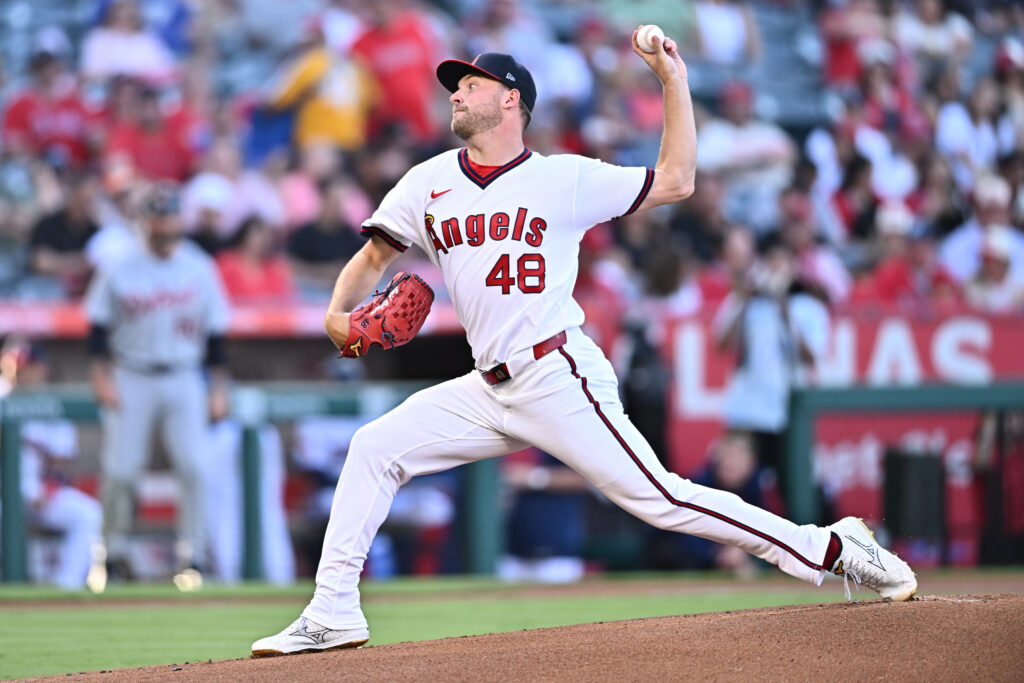
Reid Detmers Trade Rumors: Chicago Teams Circling Angels Lefty
The Cubs and White Sox are poking around Reid Detmers, and that tells you plenty about where the market is headed. One club wants a fix, the other wants a flip worth taking.