
49ers owner Jed York arrest: what Ohio plea means for the NFL
The league’s image machine hates this kind of mess.
 Leo Lupo6 min read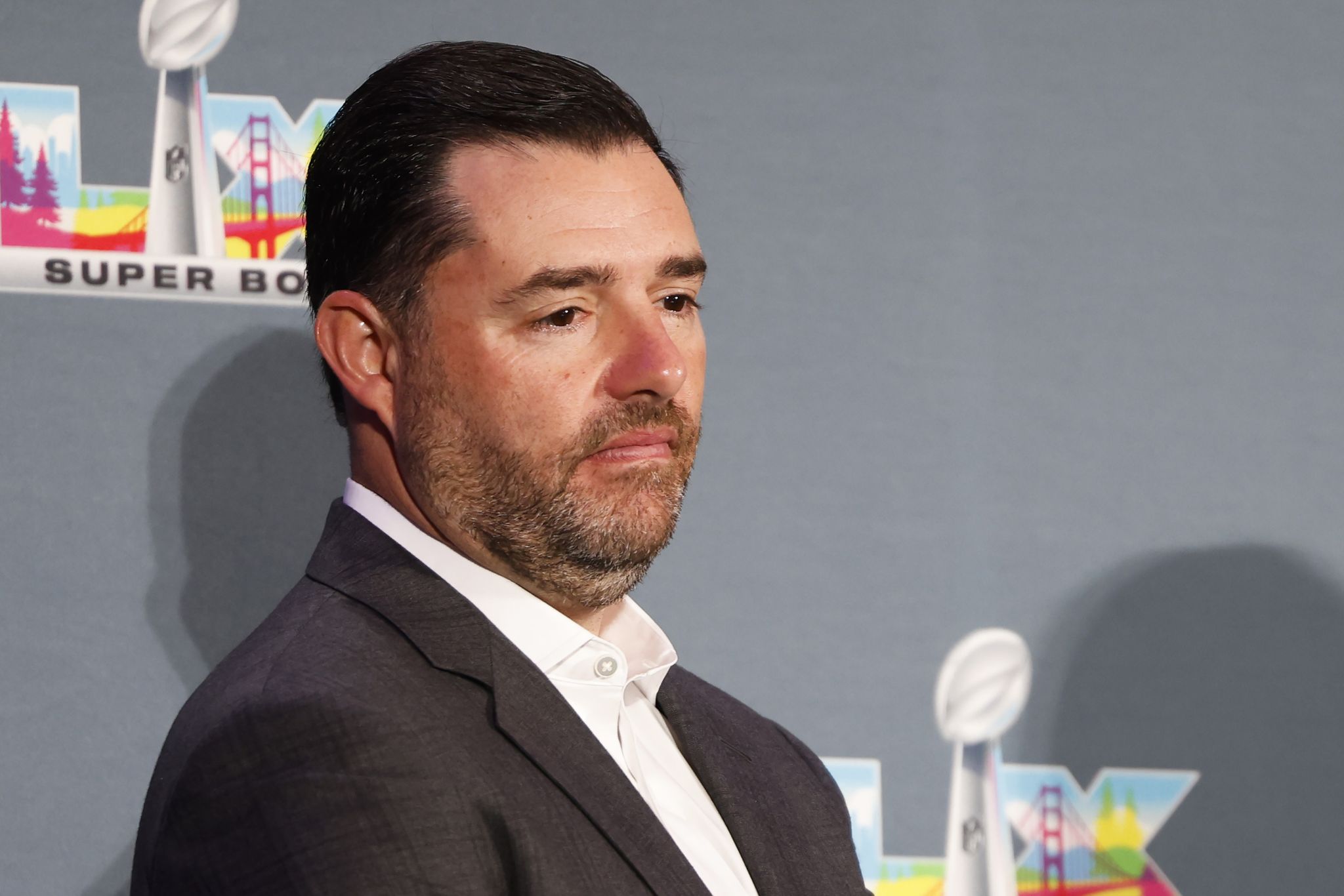
A bad look with a very familiar smell
Jed York doesn’t suit up on Sundays, but he still carries a badge of consequence. When the owner of the San Francisco 49ers gets arrested in Ohio on a prostitution-related charge and later pleads no contest to a lesser offense, that’s not some stray footnote buried in the back pages. That’s a front-office headache with a muggy odor that hangs around the whole operation.
The court record says what it says: arrest, custody, release, then a plea to the lesser charge. The football public does not need a press conference to understand the shape of this thing. Owners are supposed to be the invisible hand, the quiet money, the people in the box seats who only become visible when they’re winning or making a mess. York has managed to become the latter, and there’s no clean way to polish that over.
Why this matters more than a tabloid splash
In the NFL, ownership is never just ownership. It’s culture, hiring, discipline, public trust, all the stuff teams pretend lives inside a slogan on the wall. A player gets pinched and the league trots out policy language and due process and “we are aware of the matter.” An owner gets pinched, and the whole thing turns into a test of whether the league can still sell itself as a grown-up institution.
This is where the NFL does its favorite dance: keep the machine moving, say little, and hope the football steamrolls the embarrassment. Sometimes it works. Sometimes it doesn’t. The 49ers are not a back-page outfit or a sleepy market where a scandal gets swallowed by indifference. They are one of the league’s flagship brands, the kind of team that gets measured against Lombardi ghosts and salary-cap spreadsheets in equal measure.
And make no mistake, the people catching the fallout aren’t just York and his lawyers. It lands on the team employees answering awkward calls. It lands on the sponsors who hate being asked to explain themselves. It lands on fans who pay premium prices to believe the adults in the building are adults.
Owners love to preach standards. Then one of their own gets caught lowering the bar.
The 49ers can’t pretend this is separate from football
This part is simple, even if the league would rather not have it written in plain English: franchise reputation is part of competitive advantage. The 49ers trade on class, stability, and the old-school shine of a serious organization. That image helps everything from free agency sales pitches to the way a locker room sees the top of the food chain.
A story like this pokes a hole in that polish. Not because the players suddenly forget how to run routes, but because people in sports do not compartmentalize as neatly as executives pretend they do. Coaches feel it. Scouts feel it. Fans absolutely feel it. And if you think a nasty off-field headline has no effect on the atmosphere around a building, you’ve never spent time around a team trying to keep its business clean while the owner’s name is on a police report.
There’s also the simple matter of timing. The NFL calendar does not pause because an owner made the wrong kind of weekend plans. Camp, roster cuts, game prep — the usual grind keeps moving. That’s the blessing and the curse. The sport gives the team a place to hide, but it also makes sure there’s always another headline waiting to shove the mess aside without ever washing it away.
Ownership and accountability: the part nobody likes talking about
The league has spent years selling itself as modern, polished, and above-board. It loves video rooms and analytics and business forums and all the sleek corporate trimmings. Then a story like this drags everybody back to the same old truth: football is still run by powerful people who expect the sport to absorb their bad judgment like a rug soaking up rainwater.
That’s why this one stings beyond the legal details. York isn’t some fringe figure. He is the face at the top, the man fans associate with the franchise’s direction even if he’s not drawing up plays or taking snaps. Owners get to sit in the press box and talk about “values” because the public grants them that theater. Once that image cracks, the whole performance looks a little cheaper.
I’ve been around this racket long enough to know scandal doesn’t always change the scoreboard. It changes something subtler, and sometimes uglier. It changes the smell in the room. Teams can play through a lot — injuries, losing streaks, bad drafts, even clueless hires. But they do not play well while pretending the building doesn’t have a stain on the carpet. And the league, for all its talk about integrity, has never been eager to scrub those stains unless the cameras stay hot long enough.
The old-timers used to say ownership was the one thing fans were stuck with. You could change coaches, quarterbacks, coordinators, stadium names, even cities. Owners? Not so much. That’s why this sort of episode matters. It’s not just embarrassing. It reminds everybody who really holds the keys, and how little the rest of us get to say when those keys jangle into the wrong place.
What comes next for York and the league
Now the practical part. The court process has moved far enough to produce a plea, and that usually means the legal drama narrows while the public-relations damage keeps spreading. The 49ers will want to move the story off the front page as fast as possible. The league will want the same. Nobody in a suit enjoys answering why one of the sport’s most visible owners is associated with a prostitution arrest, no matter how quickly they try to soften the language.
What to watch next is simple: whether the organization says anything beyond the bare minimum, and whether the league decides this needs more than the standard shrug. Most of these situations get handled with a clean, brief statement and a whole lot of hoping. The NFL has made an art form out of that.
The Premier League opening weekend warning signs story from the wider sports world had its own lesson: clubs can’t outrun what they are. Same applies here. The 49ers may keep rolling, and they may even keep winning. But this episode tags York with a bruise that does not disappear just because a football team is good on Sundays.
The best teams in pro sports are built on more than talent. They’re built on trust. York just made that harder to sell.
And football, as usual, will keep right on marching. It always does. The question is how much dirt gets tracked across the carpet before somebody finally notices.
More from Straight From The Bench
Comments
Join the conversation — sign in to leave a comment.
Sign in to commentRelated Stories

Patriots trade Kayshon Boutte to Texans: what it means
The Texans add another young receiver to a suddenly fragile room, while the Patriots continue to reshape theirs with a cold, practical hand.

Mike Vrabel Patriots depth comments: the truth behind the roster
Mike Vrabel didn’t dress it up after Week 2. He sees a Patriots roster that still needs work, and his preseason choices tell you exactly how he feels about the depth chart.

Lions roster bubble watch: Jackson Meeks and Luke Altmyer surge
Jackson Meeks and Luke Altmyer are making noise at the exact right time. Josh Dobbs, meanwhile, is feeling the squeeze after a rough preseason turn.