
Premier League opening weekend: winners, losers and warning signs
The table is young, but the tone is already loud.
 Zane Miller5 min read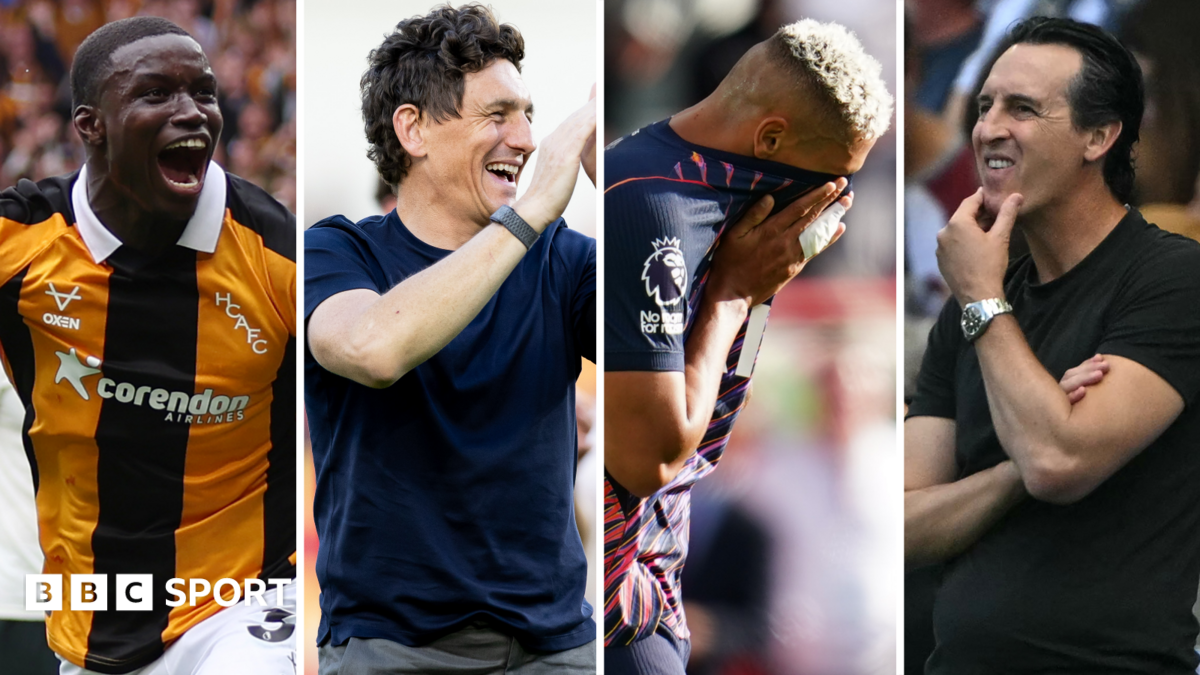
The first Premier League weekend did what it always does: it handed out overreactions by the truckload and a few real truths if you were willing to look past the noise. The season is barely warm, but the pressure already has shape. Some clubs looked sharp, some looked brittle, and a few made the kind of early statements that tend to echo longer than people want to admit.
This is the part of the calendar where managers preach calm while recruitment departments quietly check whether the last month of business actually solved anything. The opening round does not decide titles or relegations, but it absolutely exposes habits. Slow defensive starts. Midfields that can’t cover ground. Forward lines that rely on one player to create oxygen. It’s all there, right away.
Liverpool still have questions, even when the alarms are quiet
Liverpool remain one of the league’s most interesting stress tests. They can still overwhelm teams for stretches, especially at Anfield, but early-season scrappiness tends to reveal whether a squad is balanced or just talented. Against a Newcastle side that brought edge and energy, the cracks weren’t catastrophic, but they were visible enough to make supporters uneasy.
That’s the real issue for elite clubs in August. It’s not whether they can play well. It’s whether they can control ugly moments. Liverpool’s best teams under Liverpool F.C. have usually had a ruthless way of turning messy games into three points. When that trait disappears, even briefly, everyone notices.
Early-season discomfort is not a crisis. For a club like Liverpool, it can still be a clue.
The transfer market context matters here too. Big clubs spend to remove doubt. If the shape still looks off after the window opens and closes, executives start asking whether they bought depth or just added names. That’s why a rough opening weekend can carry more weight than the scoreline suggests.
The winners are usually the teams that already look organised
Opening weekend tends to reward structure. You can spot the clubs that spent the summer building habits instead of chasing headlines. The cleanest performances usually come from teams that know their spacing, their transitions, and their press triggers before the first whistle even blows.
That matters in a league as unforgiving as the Premier League. No one gets extra credit for promising to improve later. If a side comes out looking synchronized, it usually means the coaching staff nailed the preseason detail work and the roster is built to support the game model. That’s how fast starts turn into genuine momentum.
And momentum has real value. It changes how opponents prepare. It changes how fan bases feel about the last week of the transfer window. It changes whether a club feels one tweak away from something bigger, or one injury away from a long winter.
The losers are the clubs still searching for balance
The roughest first-weekend performances usually share the same DNA: too many new parts, too little cohesion, and one or two key players doing far too much of the heavy lifting. That’s where the early warning lights usually flash.
Some clubs can survive that for a while because they have individual quality that bails them out. Others can’t. The margin between a respectable mid-table push and a season full of frustration can be a midfield that gets bypassed too easily or a back line that loses its shape when the first pass goes wrong. Those problems don’t vanish because the calendar says August.
It also affects the market. Agents know when a manager is frustrated. Sporting directors know when a squad still looks incomplete. One flat weekend can accelerate a late-window move, especially for clubs that suddenly look short in one area. The league doesn’t wait for anyone to catch up.
For more preseason injury context that can spill straight into the league picture, the recent Seahawks-style injury alarm story is a good reminder of how quickly one bad night can alter the conversation around a roster. Different sport, same reality: depth gets tested immediately.
Why this weekend mattered more than the table says
I’ve covered enough opening rounds to know the trap. Fans chase the standings. Clubs chase the process. The smart read is somewhere in the middle.
My take: the teams that looked most convincing weren’t necessarily the ones with the biggest names. They were the ones that looked repeatable. That word matters. Repeatable football wins over a long season. If your build relies on one brilliant sequence or one player carrying the entire attacking burden, you’ll have pretty weeks and painful months.
History says the opening weekend rarely lies about identity. It can lie about quality. It can absolutely lie about eventual finishing position. But it does not lie about habits. You can usually tell who is already connected, who is still tuning the machine, and who is one setback away from a messy September.
That’s why this weekend felt bigger than a standard round of fixtures. The league has only just started, but some clubs have already told you what kind of season they’re prepared to have. The rest are still in the lobby trying to find the keycard.
What to watch when the noise settles
The next few matches will separate the real concerns from the temporary ones. Watch the teams that were forced to chase the game early. Watch whether the managers adjust shape or keep trusting the same plan. Watch which clubs start making late-window decisions based on a single rough performance.
That’s where the season starts to get expensive.
The table will keep moving. The narratives will swing. But the teams that looked steady on opening weekend usually stay useful all year. The ones that looked uneasy? They’ve already got homework.
More from Straight From The Bench
Comments
Join the conversation — sign in to leave a comment.
Sign in to commentRelated Stories
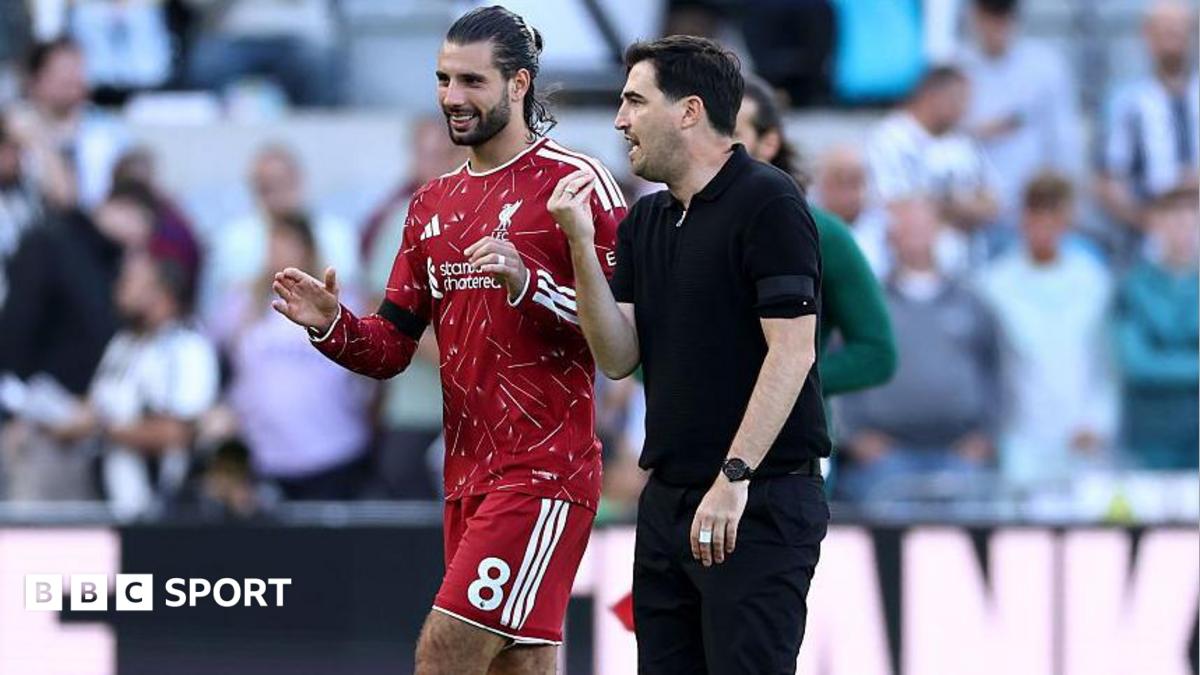
Liverpool vs Bournemouth: Szoboszlai Rescues Point in Iraola Opener
Dominik Szoboszlai spared Liverpool from a damaging opening-night setback, yet the flat showing against Bournemouth raised sharper questions than the draw answered.

Barcelona Alejandro Balde Injury Update: Why Flick Sat Him
Alejandro Balde’s omission from the Barcelona squad wasn’t random. Hansi Flick treated it like load management, caution, and a roster message all at once.
Erling Haaland Haircut: Man City’s New Season Reset
Erling Haaland’s new look is already traveling faster than most attacks. For Manchester City, the buzz cut feels like a clean break and a familiar warning.