
Enes Kanter Freedom ejection: Natasha Cloud confrontation explained
A courtside exchange turned into a visible message about how fast WNBA games can flip.
 Zane Miller5 min read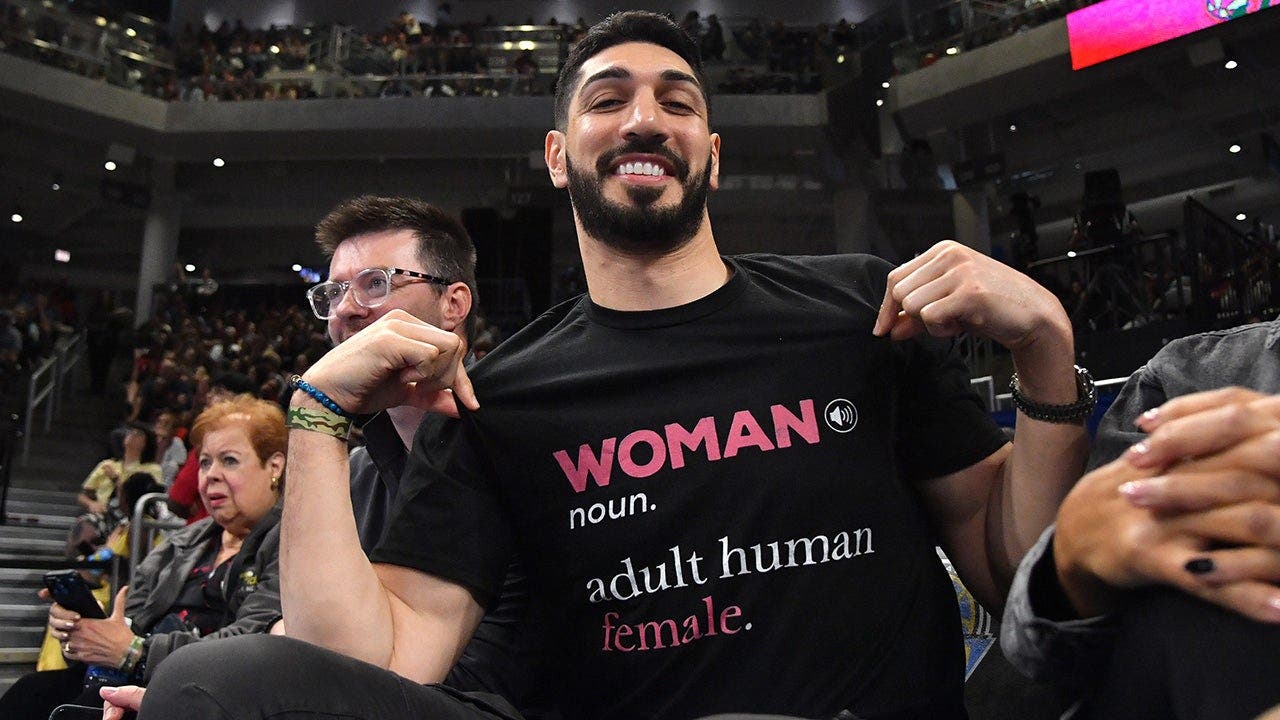
A courtside scene that escalated fast
Enes Kanter Freedom walked into a WNBA game and walked out of the building after security got involved. That’s the headline version. The messier part is what usually sits underneath these moments: a courtside exchange, tempers, and the very modern reality that every row near the floor is part basketball, part social-media theatre.
According to Kanter Freedom, Chicago Sky guard Natasha Cloud yelled vulgarities at him after he cheered a Sophie Cunningham three-pointer. He says the situation kept building until security removed him from Sunday night’s game. That’s not just a one-off courtside dustup. That’s the kind of incident teams hate because it instantly shifts attention away from the product on the floor and onto who said what, who crossed the line, and why everyone in the lower bowl suddenly became a headline.
Why this turned into a bigger story
The Chicago Sky and the WNBA are already operating in a spotlight that punishes any distraction. League growth brings more attention, more celebrity attendance, and a lot more cameras trained on the first five rows. That’s great for visibility. It’s also a headache when emotion bleeds into the stands.
Kanter Freedom is not a random face in the crowd. He’s a former NBA player with a public profile and a long history of making himself part of broader culture and political conversations. Cloud is one of the more outspoken players in the league, and if you put two high-voltage personalities in a tight arena, you don’t need much for the temperature to spike.
The important part: we still don’t have a full, independent beat-by-beat of every word exchanged. So the smart read is not to overstate the details. The smart read is to understand the setting. Courtside seats come with access, but they also come with a basic expectation: don’t become the story unless you absolutely have to.
Natasha Cloud and the league’s modern edge
This is where the league’s personality becomes part of the business. The WNBA has spent years trying to convert attention into sticky interest, and the current player era is louder, more visible, and more willing to engage directly. That’s a strength. It’s also why moments like this travel so far, so fast.
Natasha Cloud has built a reputation as a player who does not shrink from confrontation or from speaking her mind. That matters because fans are no longer just watching games. They’re watching body language, reactions, courtside interactions, every sideline glance. Every clip gets interpreted through a million different filters before the teams even leave the floor.
The league doesn’t just need star power. It has to manage star friction, too.
That’s the balancing act. You want players with voices. You also want event staff, security, and game operations to be ahead of the emotional curve when a game gets personal. Because once security starts walking someone out, the actual basketball is already behind the curve.
What this says about the courtside economy
I keep coming back to this part: courtside access is not neutral anymore. It’s not just premium seating. It’s part of the content pipeline.
In the NBA, the NFL, the WNBA — all of it — the floor-level experience has become an extension of the broadcast. Fans post. Players react. Celebrities posture. Everybody knows the phone cameras are on. That changes behavior. It changes what security watches for. And it changes how quickly a trivial exchange can become a league-wide talking point.
This also lands differently because the WNBA is in a growth phase where every incident gets magnified. That doesn’t mean the league is fragile. It means the margin for chaos is smaller because the audience is bigger. And bigger audiences don’t just bring revenue. They bring interpretation, outrage, defense, and endless replay.
For context on the personalities involved, it helps to know who’s in the frame: Enes Kanter Freedom has never been a quiet presence, and Natasha Cloud has spent her career leaning into a direct, confrontational public style when she thinks it’s warranted. Put those two energies in the same building and you’ve got a low ceiling for patience.
My read: this is less about one argument and more about control
Here’s my take. This isn’t really about one vulgar remark or one ejection. It’s about who controls the temperature in an arena that now lives as much online as it does in person.
I’ve covered enough of these moments to know the pattern. The actual exchange is usually only half the story. The other half is status. Who gets removed, who gets defended, who gets framed as the instigator, who gets turned into a clip. That part matters because the clip becomes the reality for a huge chunk of the audience.
For the league, the lesson is simple: the WNBA is too valuable now to let sideline theater hijack the product. For players, the lesson is just as simple: the camera doesn’t leave when the possession ends. If you’re going to engage, you better know exactly how far you want that thing to go.
And for the people paying courtside prices? They’re not buying invisibility. They’re buying proximity. Sometimes that proximity gets loud.
Expect this to linger for a bit, because these moments always do. The game moves on. The clip doesn’t.
More from Straight From The Bench
Comments
Join the conversation — sign in to leave a comment.
Sign in to commentRelated Stories
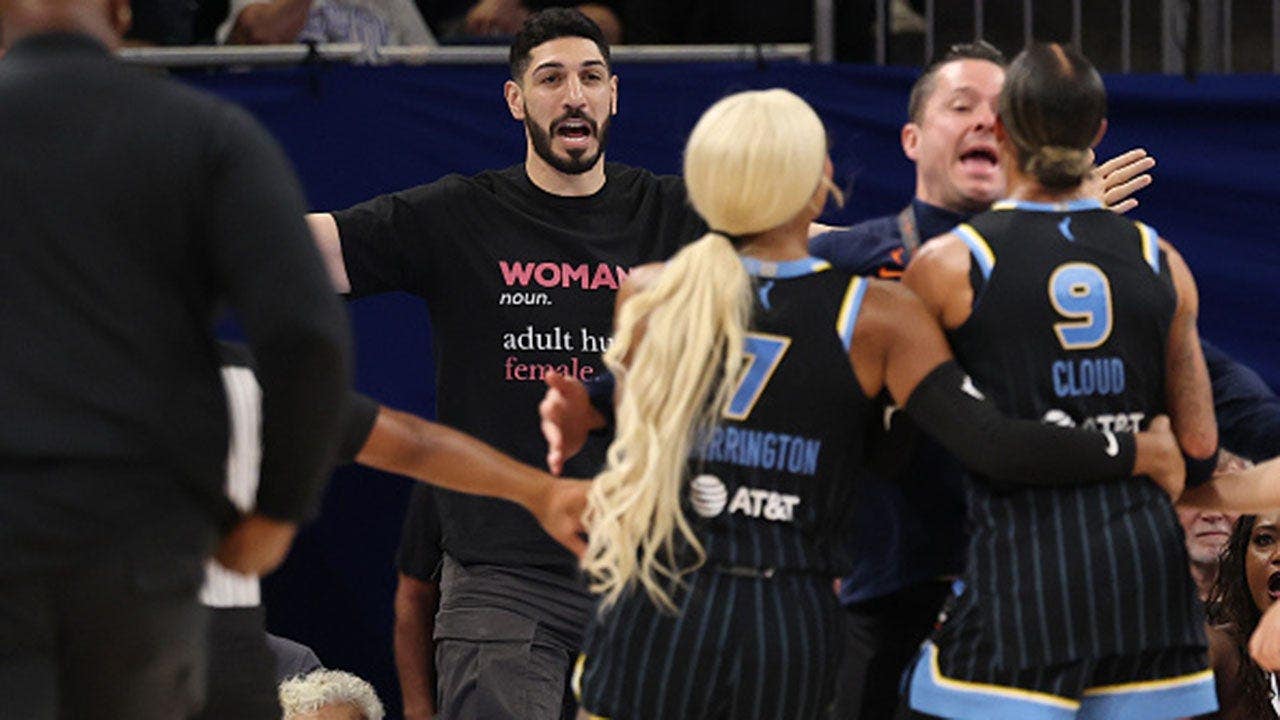
Enes Kanter Freedom ejection: Sky-Fever courtside clash turns ugly
A loud sideline dispute at Wintrust Arena ended with Enes Kanter Freedom being escorted out. The bigger story is how fast a WNBA night turned into a spectacle.
Angel Reese Career-High 31 Points: Dream Clinch Playoff Spot
Angel Reese stuffed the stat sheet with 31 points and 14 rebounds as Atlanta sealed a playoff berth with a road win over Phoenix. This one had muscle, urgency, and no shortage of meaning.
Humanoid Robots at Beijing Robot Games: Records, Hype and Reality
China’s humanoid robots posted eye-opening marks in Beijing, but the real race is still in the lab. Fast legs don’t make finished athletes.