
Aaron Boone Return: Yankees Keep Their Dugout Plan Intact
Stability, skepticism, and the long New York wait for October certainty.
 Beatrice Kensington5 min read
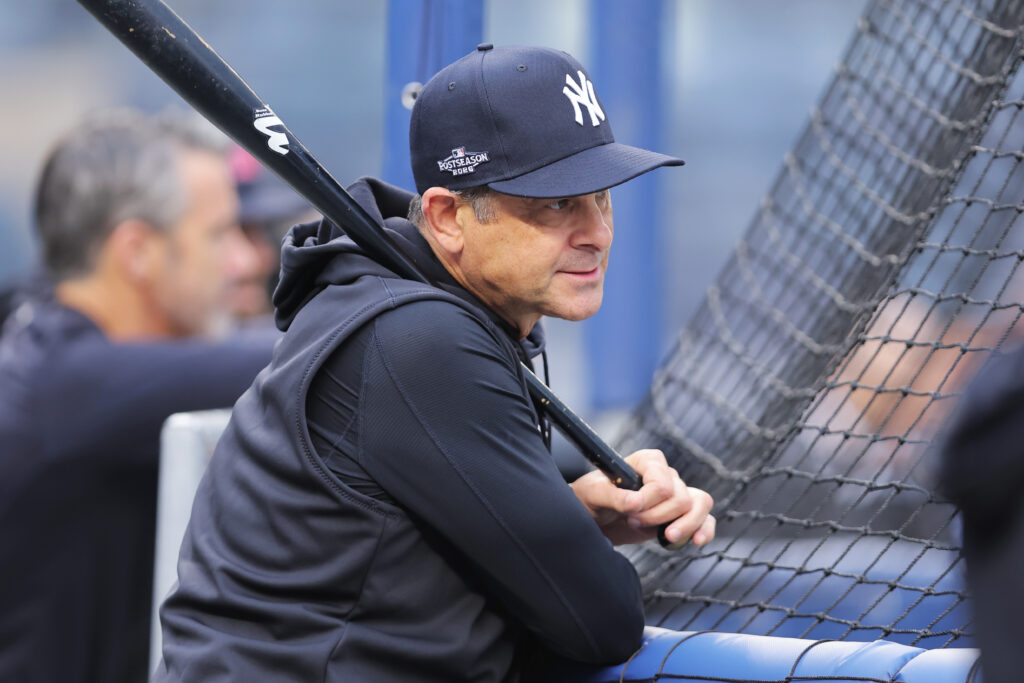
Aaron Boone is staying put, and in New York that kind of managerial certainty lands with the weight of a held breath. The Yankees have decided to keep their dugout arrangement intact through 2027, a choice that says as much about the organization’s appetite for change as it does about Boone’s standing inside it. He will enter the final year of his current contract with the same familiar burdens on his shoulders: the expectation of October, the impatience of a fan base that measures success in rings, and the peculiar loneliness of managing a team whose spending power always arrives with a receipt.
There is no romance in this. There is, however, a very Yankee logic to it.
The Yankees chose continuity over another reset
For a franchise that treats every season like a referendum, the decision to keep Boone is a small act of institutional restraint. That matters. The Bronx can become a place where the manager is asked to absorb every disappointment, every half-baked bullpen plan, every series that slips through the fingers like wet soap. Boone has already lived through enough of those winters to know that the job in New York is less about calm than endurance.
And yet the Yankees, for all their occasional thunder, are not operating as if a total overhaul is required. They are not staring into the abyss of a lost identity. They are choosing the path that assumes the dugout is not the central malfunction. That is a meaningful statement about how this front office sees the roster, the calendar, and the thin line between contention and disappointment.
If you want the larger context, it helps to remember how quickly baseball organizations pivot when they believe the room has gone stale. The Yankees have taken that road before. They are taking a different one now.
Boone’s future says the pressure belongs to the roster, too
Boone has long been the face that catches the first blow when the Yankees falter, which is often unfair and sometimes unavoidable. Managers in baseball rarely get credit for what they steady and almost always receive blame for what they cannot fix. In New York, that math is even harsher. A bad week becomes a philosophy. A bad postseason becomes a verdict.
Keeping Boone into 2027 does not absolve anyone of anything. It spreads the responsibility around the room where it probably should have lived all along. The players will have to own their moments, the front office will have to own its roster construction, and Boone will continue to inhabit that uneasy middle ground where leadership means being visible when things go wrong and quiet when the club is looking for a scapegoat.
The Yankees did not just retain a manager; they chose to keep the blame structure intact.
That is not a small thing. It tells you the organization believes its problems are more granular than existential. The bullpen. The lineup balance. The injuries. The postseason sequencing. The little failures that accumulate until they become the big one.
What this means for a franchise built on impatience
The Yankees have always lived in a state of emotional whiplash. They are the rare team whose ordinary seasons feel like unfinished business. Boone has managed under that glare long enough to understand the rhythm of it: the spring optimism, the midsummer criticism, the autumn accounting. His continued presence suggests the club prefers experience over upheaval, familiarity over another search for a new voice.
That may not thrill the portion of the fan base that wants a sharper break from recent disappointments. But the Yankees are not in the business of soothing the crowd. They are in the business of winning enough to silence it. Boone’s retention means the standard remains brutally simple. Get to October. Survive October. Make the season mean something.
For readers tracking the broader Yankees picture, this decision sits alongside the ongoing churn that always follows a season in pinstripes. The roster questions are never far away, and neither are the bigger organizational debates. If you want another layer of the picture, the club’s changing power structure and old-house tensions have already been part of the conversation in pieces like the Colts’ old-crown nostalgia or the Yankees’ own habit of living in the shadow of what came before. Different sport, same human urge: the past keeps asking for a say.
My read: Boone survives because the Yankees still trust the machine
I have long believed that Boone’s real job in New York is not to be magnetic. It is to be sturdy. That sounds less glamorous than the mythology usually attached to a Yankee manager, but baseball careers are often built on less glamorous things than mythology. Boone has endured because he is acceptable to the people upstairs and recognizable to the people in the seats, even when neither group is fully satisfied. In this city, that counts for more than it should and less than it ought to.
My own sense is that this is less an endorsement of Boone as a transcendent field manager than a vote of confidence in the broader baseball operation around him. The Yankees are telling us they believe they can keep adjusting the edges without blowing up the frame. Maybe they are right. Maybe they are simply betting that the next October will finally reward all the patience that the last few did not.
Either way, Boone is still standing in the same place, under the same lights, with the same old expectations humming over his shoulder. That is the job. That is the burden. And in the Bronx, it is never enough merely to keep the seat warm.
The winter may bring the usual noise, but the dugout is settled. For now, the Yankees have chosen their voice. The season will tell us whether that was calm judgment or just another pause before the storm.
More from Straight From The Bench
Comments
Join the conversation — sign in to leave a comment.
Sign in to commentRelated Stories
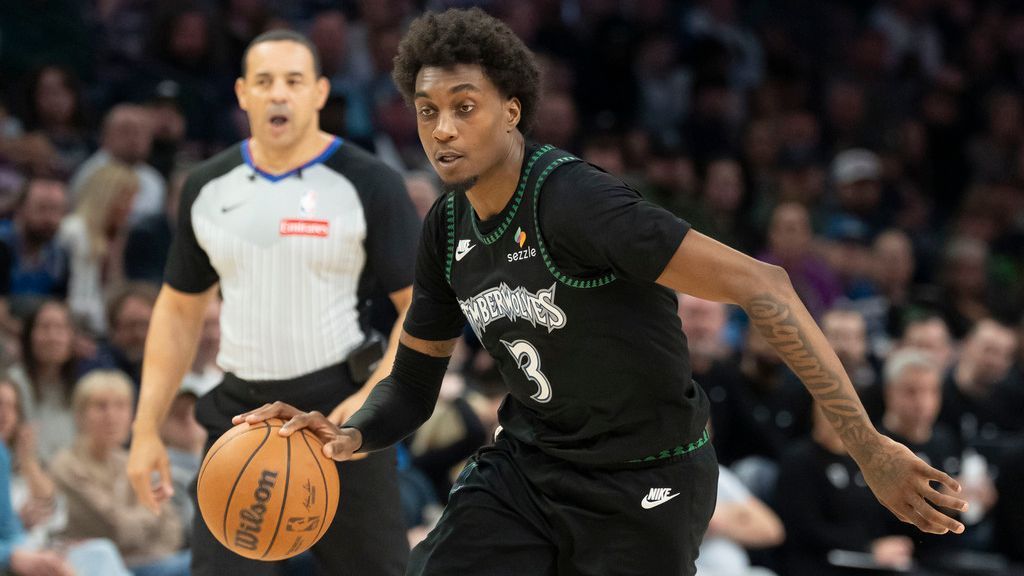
Timberwolves Jaden McDaniels Extension: Minnesota Locks In Its Wing
Minnesota just paid for premium defense and long-term stability. Jaden McDaniels is staying put, and the Wolves are betting big on the ceiling he raises.
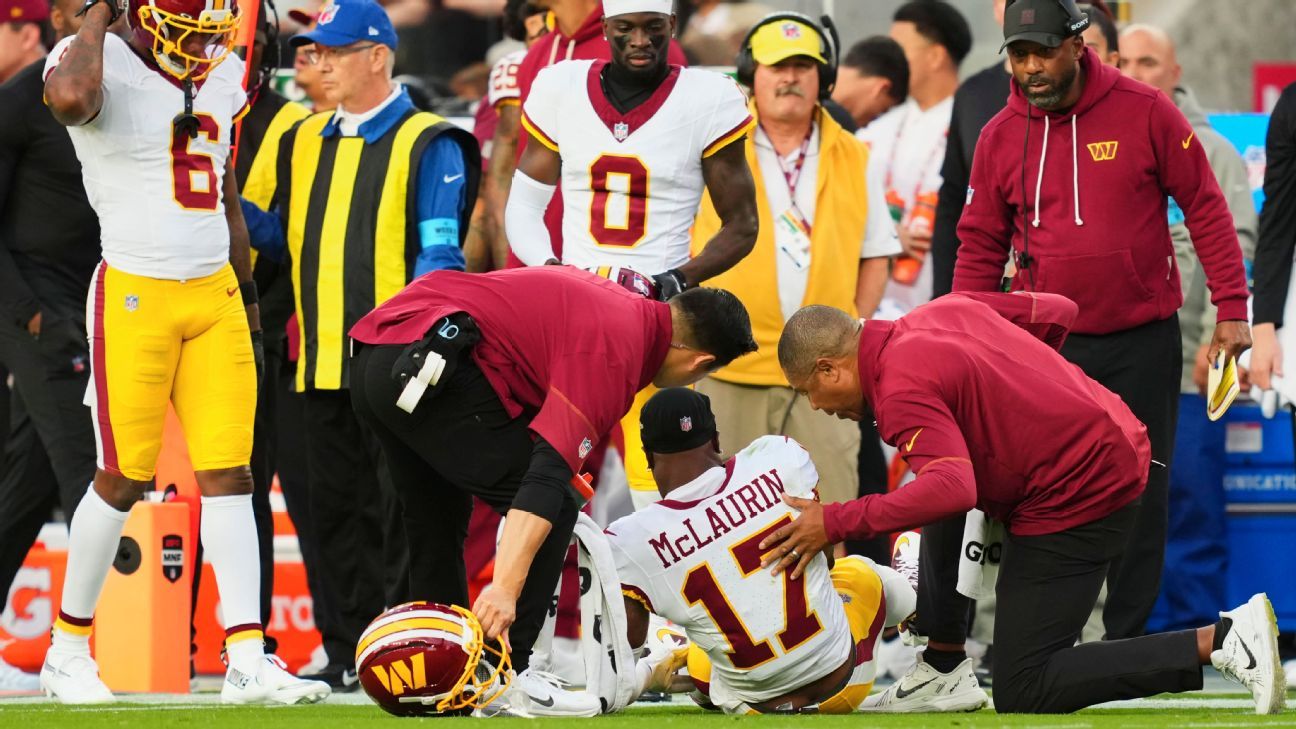
Commanders Terry McLaurin Injury Update: Knee Exit Shakes MNF
Terry McLaurin’s carted-off exit left Washington staring at the ugly part of football: one snap can turn a game and a season sideways.

Patriots at Bears Week 7 Injury Report: key absences loom
New England and Chicago enter Week 7 with familiar NFL tensions: health, availability, and the thin margin between optimism and damage control.