
Timberwolves Jaden McDaniels Extension: Minnesota Locks In Its Wing
The price is steep, but so is the value of a two-way forward built for playoff math.
 Zane Miller5 min read
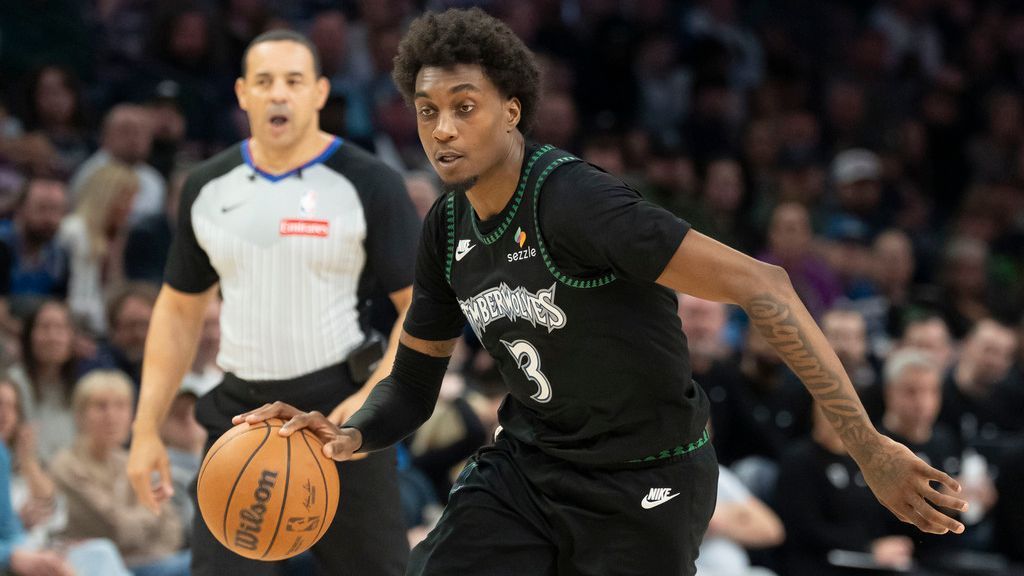
Minnesota just made the cleanest kind of front-office move: expensive, but obvious. Jaden McDaniels is not going anywhere, and the Minnesota Timberwolves locked in one of the league’s most versatile wing defenders with a one-year, $40 million extension that keeps him under team control through 2029-30.
That number will pop off the page. It should. In a cap environment where good wings get treated like rare minerals, Minnesota chose certainty. They paid for size, mobility, switchability, and the kind of defensive range that changes how opponents build a game plan. McDaniels isn’t just a piece of the roster. He’s part of the roster architecture.
Minnesota paid for the hardest thing to find
The league is obsessed with creators, and fair enough. But in the playoffs, everyone eventually gets reduced to matchups. Can you survive the other team’s best scorer? Can you keep your shape when the floor shrinks? McDaniels answers those questions with a yes.
He gives Minnesota a long, athletic wing who can chase, absorb contact, recover, and still stay attached to the assignment when the offense starts turning into a street fight. That matters on a team built around star-level size and defensive structure. It also matters because the West does not hand out easy paths. You need guys who can survive a series without becoming the weak link the other side keeps hunting.
This is also the kind of deal that tells you exactly how the front office views its competitive window. The Wolves are not shopping for a theory anymore. They’re paying to preserve the version of themselves that already has a playoff identity. That’s a different stage. No more cute asset accumulation. This is maintenance, and maintenance is expensive.
Why the $40 million number makes sense now
The raw figure will trigger the usual cap chatter, but the market has been screaming this direction for a while. Reliable two-way forwards don’t get cheaper. They get more precious every season, especially when they’re young enough to fit a long runway and good enough to play in every meaningful lineup configuration.
McDaniels doesn’t need the ball to matter. That’s a huge advantage in a roster built around higher-usage offensive engines. It means Minnesota can keep him adjacent to its stars without crowding the offense. And because he can guard up and down a lineup, he gives the coaching staff lineup flexibility that can’t be bought with a minimum contract or patched together at the deadline.
If you want the roster logic in plain English: this deal protects the part of the team that opponents hate preparing for. Minnesota already has enough gravity elsewhere. McDaniels is the piece that lets that gravity hold.
The extension also takes a lot of pressure off the front office in future cycles. When a team has to replace high-end wing defense, it usually ends up overpaying for a lesser version of the same idea. The Wolves avoided that trap early. They paid the real price now instead of letting the market reset them later.
The ripple effect for the Wolves’ rotation
This changes the Wolves’ internal math. Not the headline math. The stuff that matters in April and May.
McDaniels stabilizes the wing rotation, and that gives Minnesota more room to experiment elsewhere. Lineups can be larger, more aggressive, more disruptive. You can take a swing on offense because you know one of your best perimeter defenders is still there to clean up possession-to-possession chaos. That’s roster construction with a playoff brain.
It also signals trust. Teams do not hand out this kind of commitment to a player they see as merely useful. They do it when they believe the player helps define the team’s identity. That’s what McDaniels has become in Minnesota: a tone-setter who can disappear on the box score and still dominate the competitive texture of a game.
Minnesota didn’t just keep a wing. It bought down risk on the exact trait that disappears fastest when the games get tight.
What this says about Minnesota’s bigger plan
I’ve seen enough front offices pretend they can recreate playoff defense on the cheap. They can’t. Not consistently. Not against the best teams in the league, where every weak-side rotation gets diagrammed and every mismatch gets dragged into the light.
This is the part people miss when they see a deal and jump straight to the cap sheet. Good organizations pay for continuity before continuity becomes desperation. That’s what Minnesota is doing here. They’ve already seen what a defense-first identity can look like when the pieces fit. The next challenge is making sure the supporting cast doesn’t get stripped away one expensive summer at a time.
My read? This is a signal that the Wolves see themselves as more than a one-year story. They’re not just chasing a hot postseason run. They’re trying to keep the skeleton of a contender intact, and McDaniels is one of the bones you don’t let go of. The NBA is full of teams that keep telling themselves they can replace this kind of player later. Later usually arrives with a worse roster and a higher price tag.
For Minnesota, the bet is clear: keep the defender, keep the structure, keep the window open.
If the Wolves are serious about staying in the mix, this is exactly how it starts. The stars draw the attention. McDaniels keeps the whole thing from wobbling.
More from Straight From The Bench
Comments
Join the conversation — sign in to leave a comment.
Sign in to commentRelated Stories
NBA 2026-27 season expert picks: East, West and Finals champs
The NBA’s annual prophecy season is here, with the Knicks, Thunder, Spurs and 76ers sitting at the center of the noise. The real story is how fragile every forecast feels.
Commanders Terry McLaurin Injury Update: Knee Exit Shakes MNF
Terry McLaurin’s carted-off exit left Washington staring at the ugly part of football: one snap can turn a game and a season sideways.

Patriots at Bears Week 7 Injury Report: key absences loom
New England and Chicago enter Week 7 with familiar NFL tensions: health, availability, and the thin margin between optimism and damage control.