Rams Davante Adams Injury Update: 6-10 Week Hamstring Absence
Los Angeles just lost its most polished separator, and the margin for error got thinner fast.
 Zane Miller4 min read
The Rams lost more than a receiver
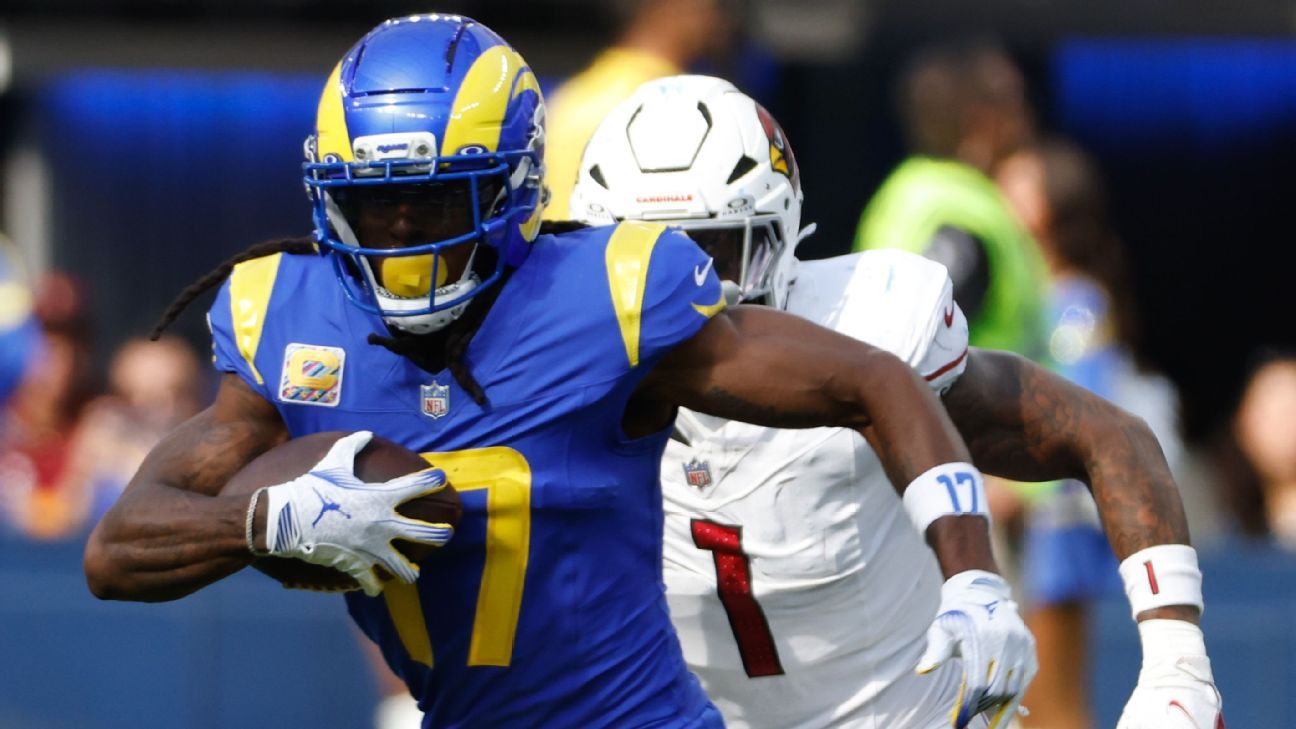
Davante Adams didn’t just tweak a hamstring. He ruptured it, and now the Rams are staring at a six-to-10-week absence for the one receiver on the roster who changes how defenses line up before the snap. That’s the kind of injury that doesn’t just hit the depth chart. It hits the whole offensive rhythm.
Sean McVay delivered the update Monday, and the timing is ugly. Los Angeles already came out of Sunday’s loss to the Cardinals with enough questions. Now the biggest one is obvious: what does this passing game look like without the route technician who can win isolated snaps, stress safeties, and give a quarterback a clean answer on third down?
Adams has spent his career living in the high-leverage parts of the field. That’s why this lands differently than losing a gadget piece or a volume target. When a receiver like Adams goes down, the quarterback doesn’t just lose targets. He loses trust. He loses the easy answer when the pocket starts to compress and the coverage gets muddy.
The Rams can survive without him for a week. Six to 10 weeks? That’s a season-defining stretch.
What this means for McVay’s offense
McVay has built a reputation on adaptability, and this is the sort of test that separates a good play-caller from a staff that can actually stay afloat when the runway disappears. The Rams will have to get more layered with their concepts, more creative with motions and bunches, and more aggressive about manufacturing clean looks for the rest of the receiving room.
That sounds tidy on paper. The league doesn’t work like that.
Defenses now know the threat level drops a notch. That changes how they play the Rams on early downs. It changes how fast they trigger on run action. It changes how much attention they can throw at whoever becomes the next most dangerous wideout. The ripple effect is real, and it starts immediately.
The other hard truth: losing Adams forces everyone else up the ladder before they’re ready. Targets don’t just get redistributed evenly. They get redistributed into tougher coverage, tougher leverage, and tougher game plans. That’s usually where young receivers find out how wide the gap really is between “getting opportunities” and “being the guy.”
The roster math just got harder
There’s a reason front offices obsess over receiver depth now. The position isn’t a luxury piece anymore; it’s insurance against exactly this kind of attrition. Ask the Kansas City Chiefs how fast a passing game can shift when the top option disappears. Ask any team built around timing and spacing. One injury can yank the whole structure around.
The Rams are going to need cleaner efficiency from everybody else. That means fewer wasted drives, fewer empty snaps, and probably a little less patience from the coaching staff if the offense stalls early. It also means the run game and the protection plan matter even more, because the easiest way to cover for a missing star is to keep the chains manageable and the quarterback out of obvious passing situations.
When a team loses its best separator, every coverage shell gets a little braver.
That’s the part executives understand instantly. The market value of a receiver like Adams is not just production. It’s the fear he creates. You don’t replace that with one man. You replace it with structure, volume, and a lot of small edges that add up over 60 minutes.
Why this matters beyond one injury
This is also the latest reminder that NFL seasons are built on attrition, not just talent. The shiny roster looks great in August. By October, you’re negotiating with reality. If the Rams are going to stay relevant, they need the next wave of players to matter faster than expected.
That’s where McVay’s reputation gets stress-tested. Teams around the league still view him as one of the sharper offensive minds in football, and this is exactly the sort of problem that invites a real verdict. If the Rams can keep moving the ball and stay efficient without Adams, people will credit the system. If they stall, the conversation turns to how dependent the offense really was on one veteran receiver doing veteran-receiver things.
I’ll say this straight: injuries like this tend to expose whether a contender was built with enough redundancy. You can be brilliant in the pass game and still be brittle. The league is full of teams that learn that lesson the hard way. The Rams are about to find out how much insulation they actually had.
If this offense survives the next stretch, it will be because McVay and the staff find ways to win the middle of the field, win on script, and keep the quarterback from living in third-and-long. If it doesn’t, this injury will be remembered as the moment the season tilted.
The calendar just got a lot less forgiving in Los Angeles. And the next few weeks will tell you whether the Rams are resilient or just temporarily intact.
More from Straight From The Bench
Comments
Join the conversation — sign in to leave a comment.
Sign in to commentRelated Stories
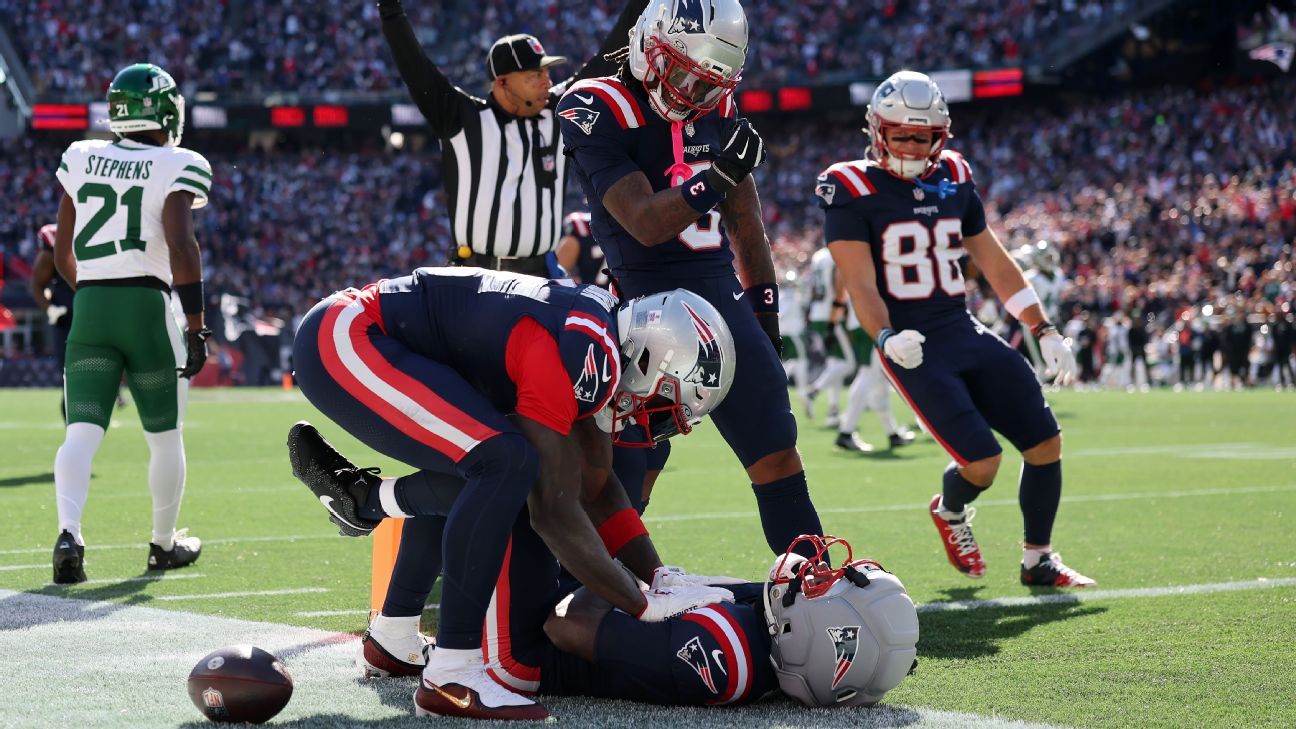
Patriots Romeo Doubs Injury Update: another receiver hits IR
New England just got one receiver back and lost another, a familiar kind of misery in Foxborough. The depth chart is starting to look like a bar stool with one leg missing.
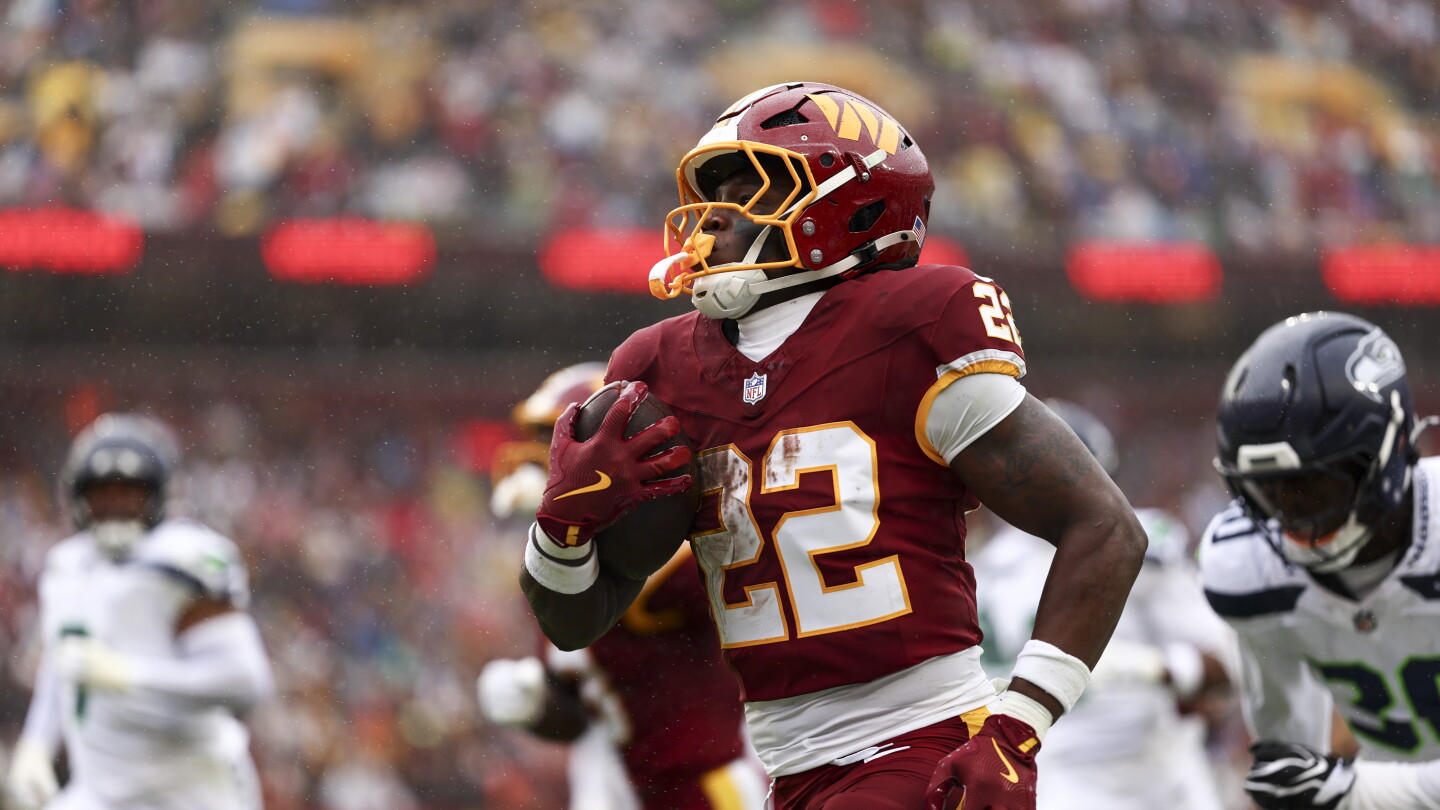
Commanders Jacory Croskey-Merritt Injury Update: IR stings backfield
Jacory Croskey-Merritt’s groin injury sends him to injured reserve for at least four games, forcing Washington to reshuffle a backfield that never gets to settle.
Giants QB Start Week 7: J.J. McCarthy or Jameis Winston?
The Giants are sorting through a quarterback change after J.J. McCarthy’s relief work turned heads. In New York, that usually means somebody’s job is wobbling.