
Commanders Jacory Croskey-Merritt Injury Update: IR stings backfield
A promising runner goes quiet, and Washington’s depth is tested again.
 Beatrice Kensington6 min read
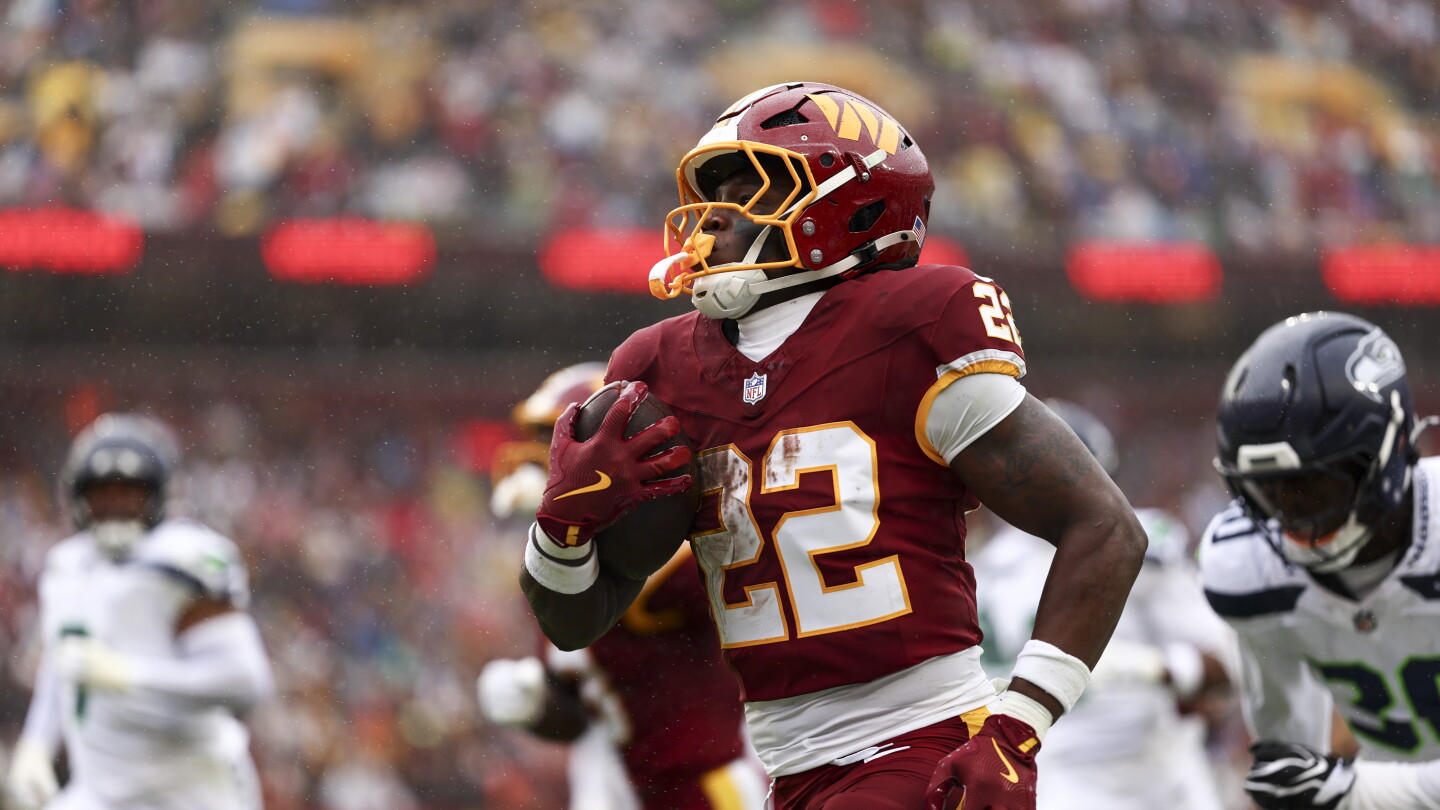
A backfield that was still trying to find its shape
The Washington Commanders have spent enough of this season chasing stability that even a modest injury note feels like a small tremor. Jacory Croskey-Merritt, the rookie runner who had begun to carve out a place in the offense, is now headed to injured reserve with a groin injury and will miss at least four games. In a league that asks running backs to absorb punishment with the patience of stone, a groin strain is the kind of setback that can linger in the joints of a season. It does not sound dramatic until it starts changing play-calling, roster math, and the weekly rhythm of a coaching staff.
This is not simply a matter of one player going down. It is a reminder that Washington’s offense has been trying to assemble a usable identity piece by piece, and the backfield was one of the few places where a young runner could have grown into a larger role. Instead, the Commanders are back to asking others to shoulder the work while the injury cart makes another quiet trip through the narrative.
What Croskey-Merritt’s absence means for Washington
An injured reserve designation is its own kind of blunt instrument. It removes the uncertainty, yes, but it also removes possibility. Washington cannot simply hope for a quick rebound; the team has accepted a stretch without him. That changes the running back rotation, but it also changes how the offense leans on protections, short-yardage plans, and the sort of run-pass balance that keeps a quarterback from living in obvious passing downs.
For a young back like Croskey-Merritt, this is the most frustrating sort of pause. He is not out for the season, which is the mercy in this story, but he is being asked to watch from the sideline just as the opportunity to make himself indispensable would have been taking shape. Groin injuries are peculiarly unfair that way. They do not always announce themselves with the clean edges of a fracture or the red urgency of a torn ligament. They just make movement honest. Every cut. Every burst. Every plant and turn.
The Commanders have also activated three players, which tells you something about the practical business of surviving an NFL week. Roster churn is not glamorous, but it is the oxygen of the season. Someone has to replace the snaps. Someone has to pick up the special-teams work. Someone has to make sure the offense and defense keep functioning while the depth chart reshuffles itself in the middle of the road.
The wider cost of losing a young runner
There is a particular cruelty to the way early-career injuries can flatten momentum. Veterans at least have memory to lean on; they know what they are before the body reminds them. A younger player is still writing the first draft of his reputation. A few good runs can change how coaches view him, how teammates feed him the ball, how a defense begins to account for him. Then one injury, and the timeline goes slack.
Washington’s situation also fits a familiar NFL pattern: teams are forever one injury away from a conversation they hoped to postpone. If you want a sense of how quickly a season can shift, look at how clubs treat their running back room as a living document. The depth chart is never really fixed; it is a note pinned to a bulletin board, subject to revision by Tuesday afternoon. That is why the Commanders’ decision matters beyond one roster move. It exposes how thin the margin is for a team trying to keep its offense from becoming predictable.
This is the part of the NFL that rarely makes the highlight reel: the quiet erosion of continuity.
The human cost is not abstract. A player works through camp, earns trust, finally gets a chance to matter, and then is told to heal while others take his place. That can be a difficult thing for a young back to absorb, especially in a league that rewards availability almost as much as performance. You can love the game and still resent the calendar.
Washington’s next answers will come from volume and patience
The Commanders now have to make do with the players available, and that usually means two things: a touch more patience from the coaching staff and a touch more strain on the quarterback to keep drives alive. If the run game loses its best burst option, the offense must manufacture efficiency elsewhere — by formation, by tempo, by getting the ball out quickly before the rush can pin its ears back.
This is also where roster decisions begin to echo. The activation of three players is not a footnote; it is the mechanism by which teams patch holes and keep the week moving. Washington may not want to turn every injury into a referendum on depth, but the league makes such referendums unavoidable. The clubs that survive December are often the ones that can answer these small emergencies without losing their shape.
For followers of Washington, this is a story worth tracking alongside other roster uncertainties around the league, like the receiver attrition described in our look at the Patriots’ Romeo Doubs injury update and the broader sense that every team is one awkward landing away from a depth-chart rewrite. The Commanders are not unique in that regard. They are simply the latest team asked to prove that the next man up is more than a slogan.
My read: setbacks like this reveal the season’s real architecture
I have long believed that the middle of an NFL season tells the truth about a franchise more clearly than the opening month ever can. September is theater; November is accounting. And accounting is rarely kind. A team can flatter itself with explosive plays and clever formations, but once injuries arrive, the real structure shows through — the sturdiness of the roster, the flexibility of the staff, the maturity of the locker room.
Washington’s problem is not that Croskey-Merritt is gone for four games. Plenty of teams can survive that. The problem is that every absence forces the Commanders to spend emotional and tactical currency they would rather save. That is the hidden tax of a season spent hovering between promise and improvisation. You can feel the cumulative weight of it.
The best teams do not just replace injured players. They absorb the shock without changing their temperament. That is the standard now.
Washington will need that steadiness next. The backfield has been dealt another interruption, and the response will tell us whether this is a roster merely keeping score, or one building something resilient enough to withstand the weather.
One missing runner should not break a season. But it can expose what was already fraying.
More from Straight From The Bench
Comments
Join the conversation — sign in to leave a comment.
Sign in to commentRelated Stories
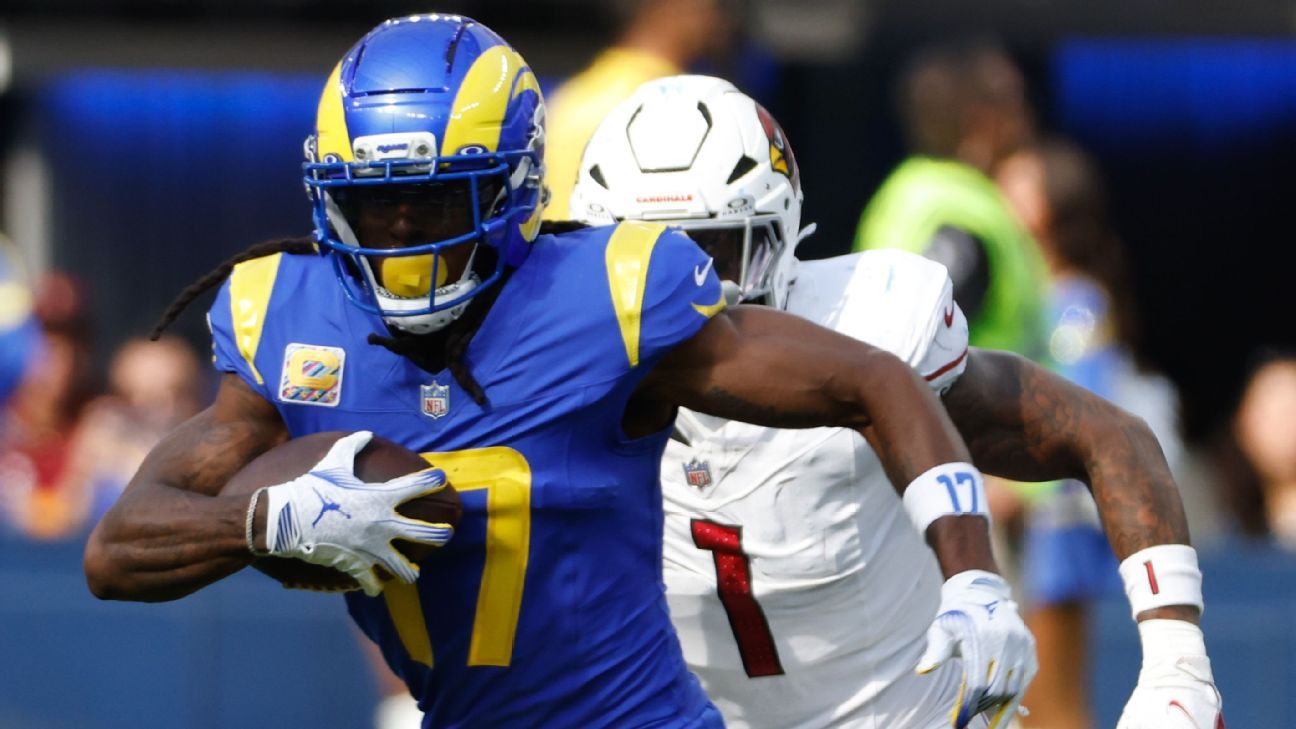
Rams Davante Adams Injury Update: 6-10 Week Hamstring Absence
Davante Adams is out 6-10 weeks with a ruptured hamstring, and the Rams' offense suddenly has a very different ceiling. Sean McVay has work to do.
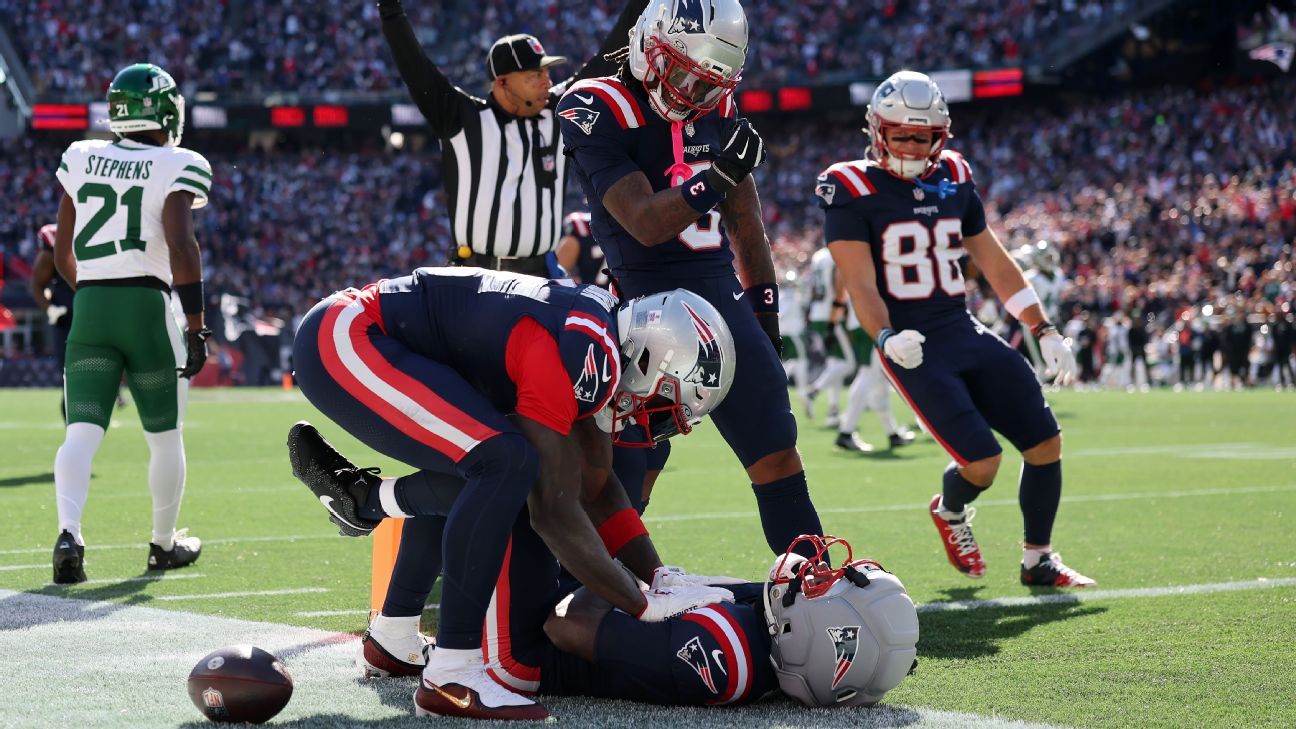
Patriots Romeo Doubs Injury Update: another receiver hits IR
New England just got one receiver back and lost another, a familiar kind of misery in Foxborough. The depth chart is starting to look like a bar stool with one leg missing.
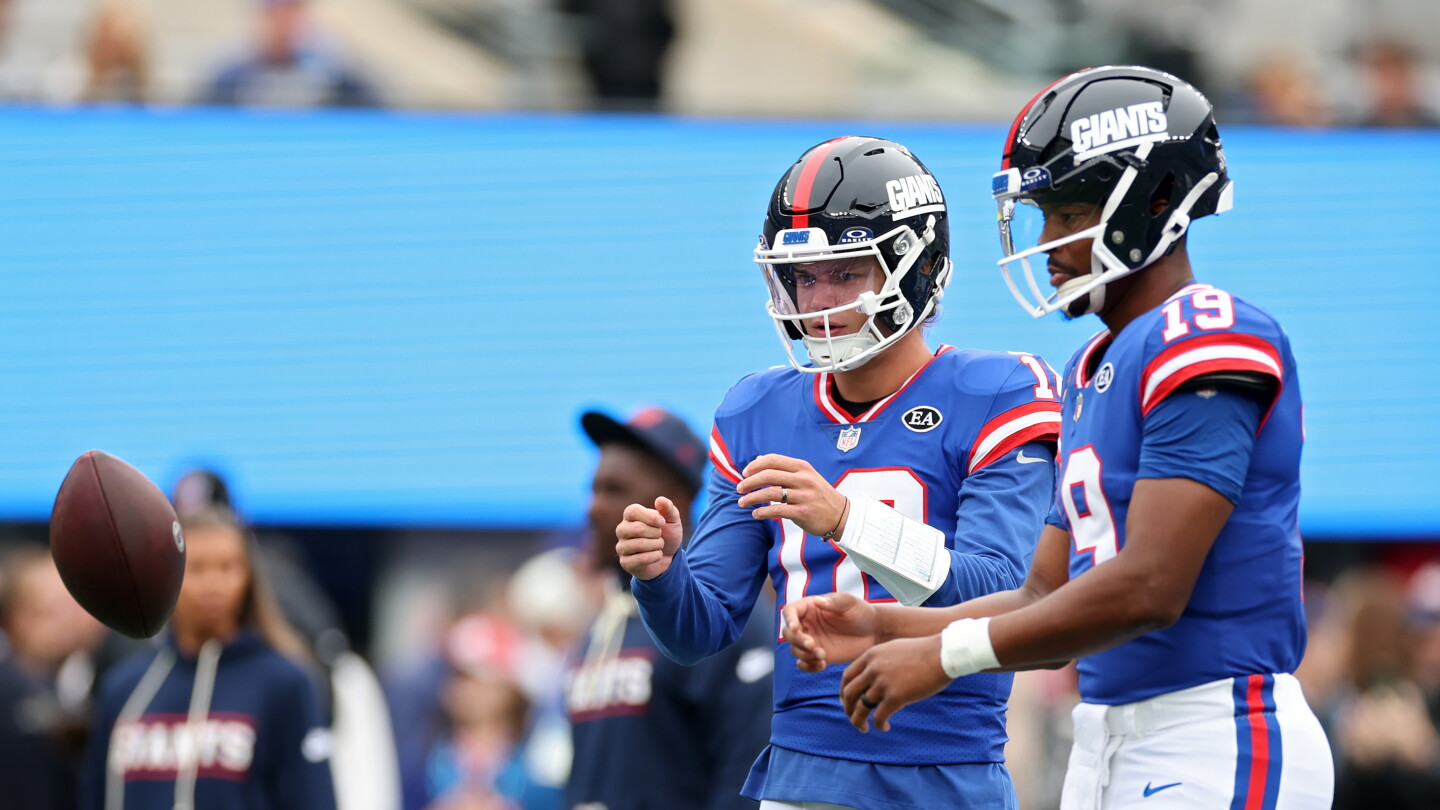
Giants QB Start Week 7: J.J. McCarthy or Jameis Winston?
The Giants are sorting through a quarterback change after J.J. McCarthy’s relief work turned heads. In New York, that usually means somebody’s job is wobbling.