
Aaron Judge Injury Update: Yankees Move Captain to 60-Day IL
The Bronx loses its biggest bat, and the calendar starts working against them.
 Beatrice Kensington6 min read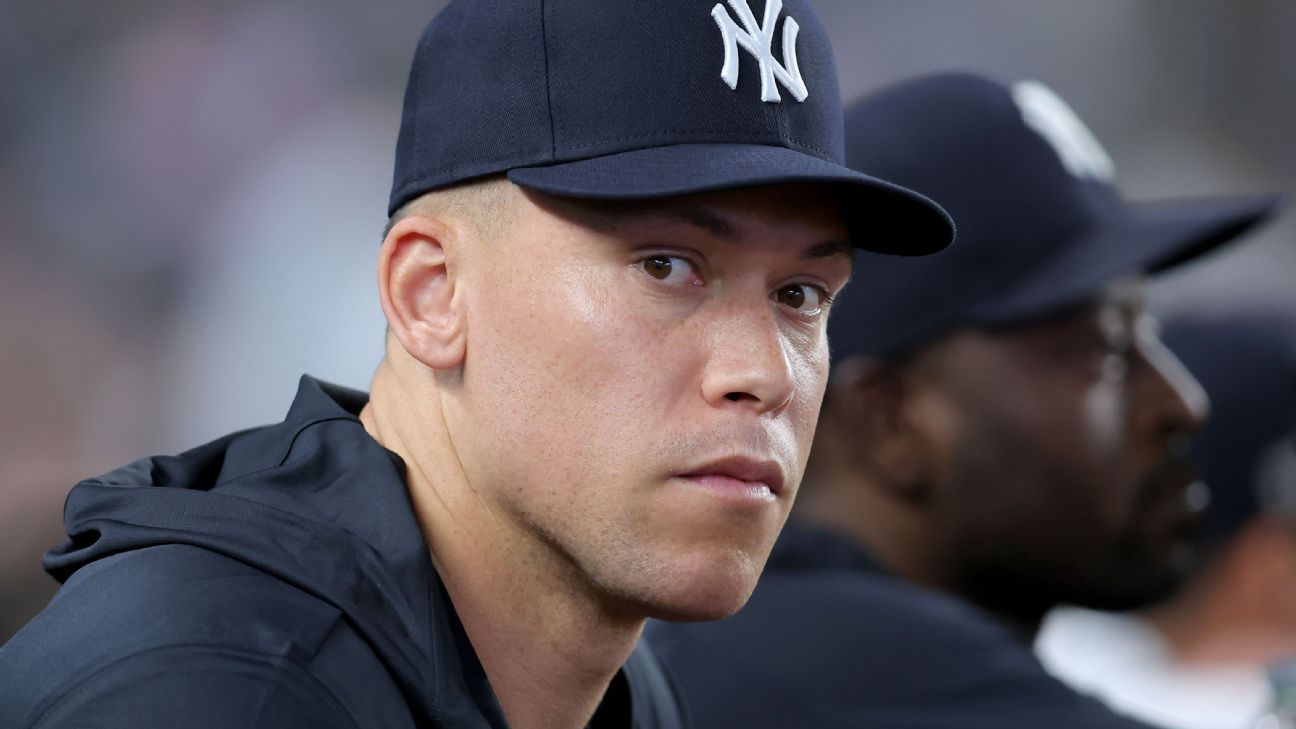
The New York Yankees have made the kind of roster move that tells you a season has entered its more severe chapter. Aaron Judge, the force that bends pitchers, ballparks, and the mood of an entire borough, has been transferred to the 60-day injured list while his fractured rib continues to heal and another scan is needed before any serious ramp-up can begin. The language is medical, procedural, dry. The feeling is not.
This is what absence looks like when it is attached to a star of Judge’s size. It is not merely a gap in the lineup. It is a dent in the skyline.
The rib injury has turned into a calendar problem
Judge has been sidelined since May 31, and the Yankees are now living with the reality that time is doing what opposing pitchers could not: it is limiting him. A fractured rib is not a bruise you shrug off, not a nagging hamstring that can be managed around a little discomfort. It is the sort of injury that asks for stillness, for restraint, for a body to heal on its own terms. And for a 34-year-old slugger who has built his game on leverage, torque, and violent elegance, there is no shortcut.
The 60-day injured list move does not change the diagnosis; it simply formalizes it. It clears a roster spot, yes, but it also places a blunt marker beside the Yankees’ season: they are now deep enough into this absence that hope must be measured against biology.
That is the hard edge of it. The Yankees can talk about ramp-ups and scans and progress, but every day Judge sits is a day the team must answer the same question without its captain: who carries the weight now?
What the Yankees lose without their captain
There are stars, and then there are pillars. Judge is the latter. Even in seasons when the bat runs hot or cold, his presence changes how a game is pitched and how a dugout feels. A manager can pencil his name into the lineup and know the opposition has to account for one swing that can rearrange an inning, a series, a month.
Without him, New York loses more than power. It loses its emotional thermostat. The lineup becomes easier to navigate. The crowd, so often fed by the expectation that a single Judge at-bat can tilt the day, has to wait for some other pulse to take over. That is an especially cruel burden for a club that has spent years chasing the right combination of health and force to survive the American League grind.
The Yankees have lived this movie before. Their recent history is crowded with seasons shaped by injuries to foundational players, and the franchise’s particular ache is that the margins in the AL rarely forgive long spells without a middle-of-the-order hitter of Judge’s caliber. When you strip that kind of presence away, you are asking role players to do star work, and asking often becomes the first step toward overexposure.
The 60-day IL says this is bigger than a precaution
Moving Judge to the 60-day injured list is baseball’s way of admitting the obvious without dressing it up. It does not merely reflect caution; it reflects expectation. The Yankees are no longer dealing with a day-to-day inconvenience. They are planning around a substantial absence, one that will stretch the season’s shape.
This is not the kind of injury you rush because the standings are loud.
That sentence matters because clubs often behave as though urgency can bully medicine. It cannot. If the rib is not ready, Judge cannot be ready, and the Yankees know it. The scan that still awaits him will tell them whether the next phase is measured progress or continued waiting. Until then, the franchise is stuck in a familiar and miserable posture: trying to stay afloat while its best player watches.
This also places a spotlight on the organization’s deeper construction. The front office has spent years stocking the margins with veterans, stopgaps, and complementary bats, but no amount of depth fully replaces a superstar whose power changes the geometry of the sport. That is the lesson that echoes through LeBron James Next Team: Championship Habits Guide His Choice in another game entirely: great players are not merely production. They are identity. Remove them, and the whole enterprise looks different.
What this means for the Yankees’ season in July
The Yankees are not being asked to forget about Judge. They are being asked to survive until he can matter again. That is a subtler, harsher assignment.
The offense must now find runs by committee, which is a polite way of saying the team has to live with less margin for error, fewer intimidation points in the order, and more nights when a single run feels like a weather event. The pitching staff, especially the rotation, takes on added importance because a weakened offense magnifies every dry inning. One sloppy bullpen night can feel twice as expensive when the lineup no longer offers the same rescue potential.
There is also the psychological toll, which the stat sheet politely ignores. A clubhouse can rally around injury, but the prolonged absence of a captain has a way of making the season feel provisional. That uncertainty can linger. It can harden into caution. It can leak into decision-making.
As I see it, this is the cruelest part of Judge’s absence: it does not merely reduce the Yankees’ chances; it changes their language. A club built to speak in the grammar of October now has to spend July and August talking about scans, progression, and return-to-activity timelines. That is not the vocabulary of a contender at full health. It is the vocabulary of management under strain.
And yet, there is a small piece of baseball’s old mercy in all this. Injured stars do return. Sometimes slowly, sometimes awkwardly, sometimes with the kind of quiet first week that reminds everyone why patience is its own form of discipline. The Yankees do not need a miracle here. They need a body to heal, a bat to reappear, and a roster to hold together long enough for the season to remain worth saving.
The next scan will tell a bigger story than the Yankees want
That next scan is not just a medical checkpoint. It is an emotional hinge. If the rib shows real progress, the Yankees can begin building a bridge back to Judge. If it does not, the organization will keep living in this suspended state, where optimism is rationed and every update feels heavier than the last.
For now, the most honest reading is the least dramatic one. Judge is out. The Yankees are thinner for it. And every inning that passes without him is one more reminder that even the most imposing figures in the sport are still vulnerable to the plain brutality of the human body.
The Bronx will wait. It always does. But waiting has a cost.
And July is charging interest.
More from Straight From The Bench
Comments
Join the conversation — sign in to leave a comment.
Sign in to commentRelated Stories
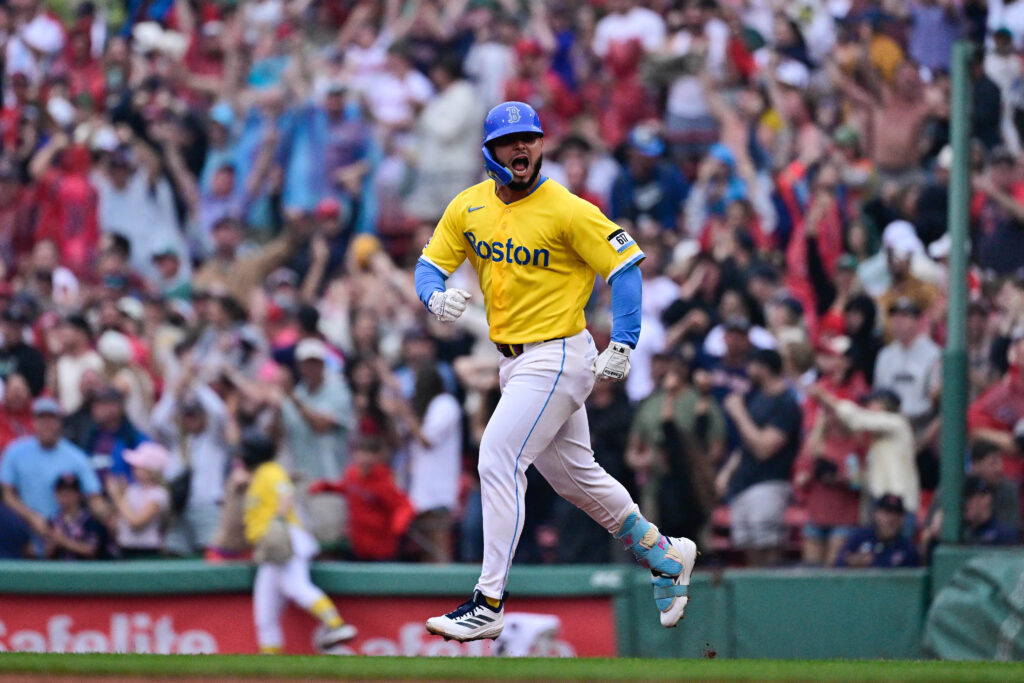
Red Sox Win Streak: Abreu, Orioles, and the AL East Race
The Red Sox have won 12 straight, and the AL East is beginning to bend around that fact. Boston’s latest rally says as much about belief as it does about batting order.
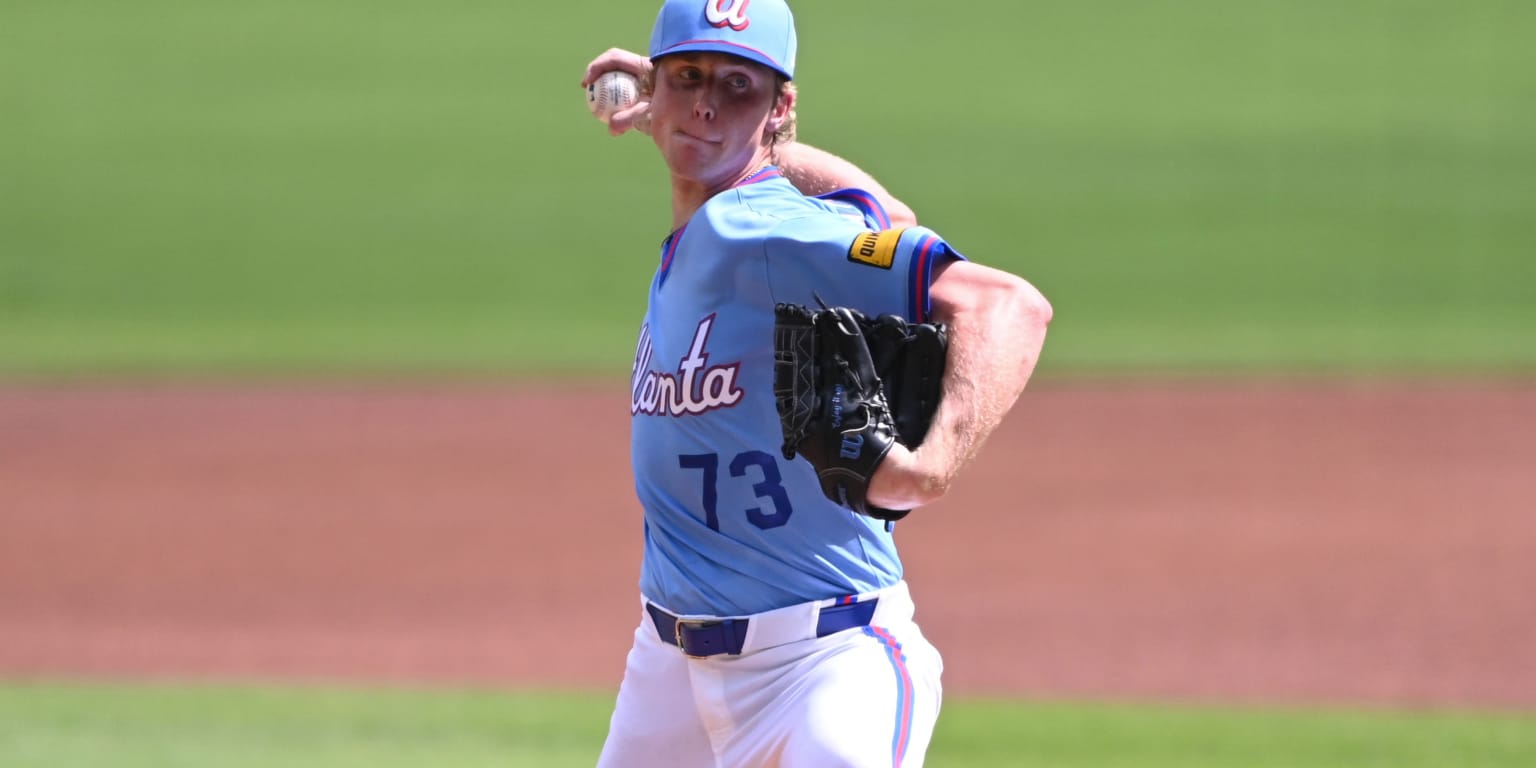
Braves Starting Pitching: Owen Murphy’s Rocky MLB Debut Deepens Concern
Owen Murphy’s first MLB start didn’t change the Braves’ math. The future is there. The innings, for now, are not.
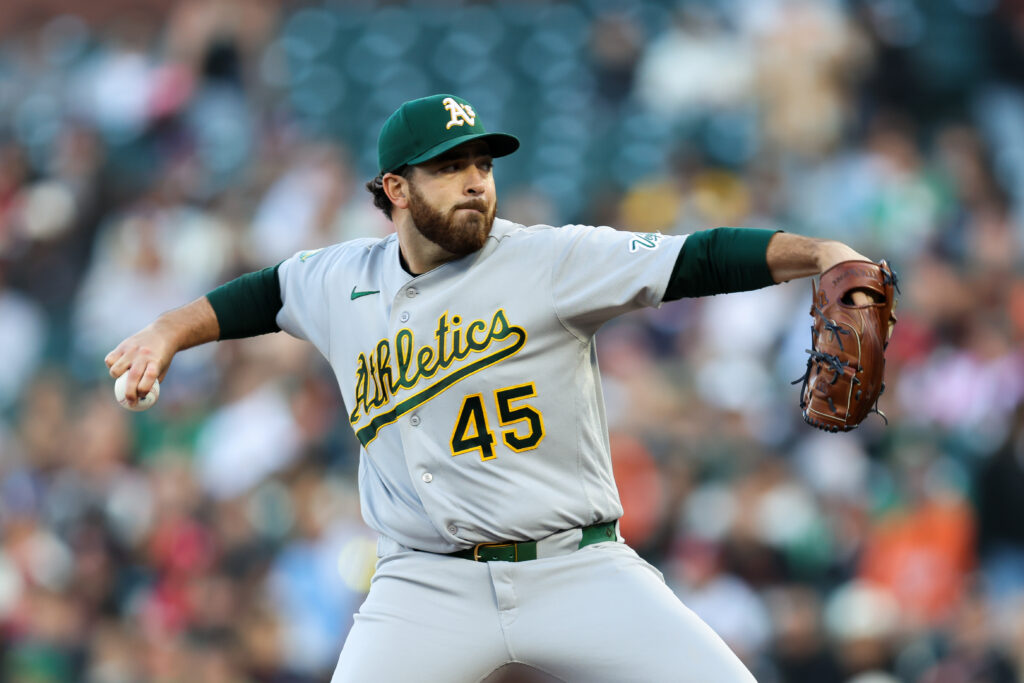
Cubs Acquire Aaron Civale: A Quiet Bet on Stability
The Cubs added Aaron Civale and cash from the Athletics, a small trade with a larger message: they still believe the season can be steadied by competent pitching.