
Braves Starting Pitching: Owen Murphy’s Rocky MLB Debut Deepens Concern
The kids are coming, but Atlanta’s rotation still looks alarmingly thin.
 Zane Miller4 min read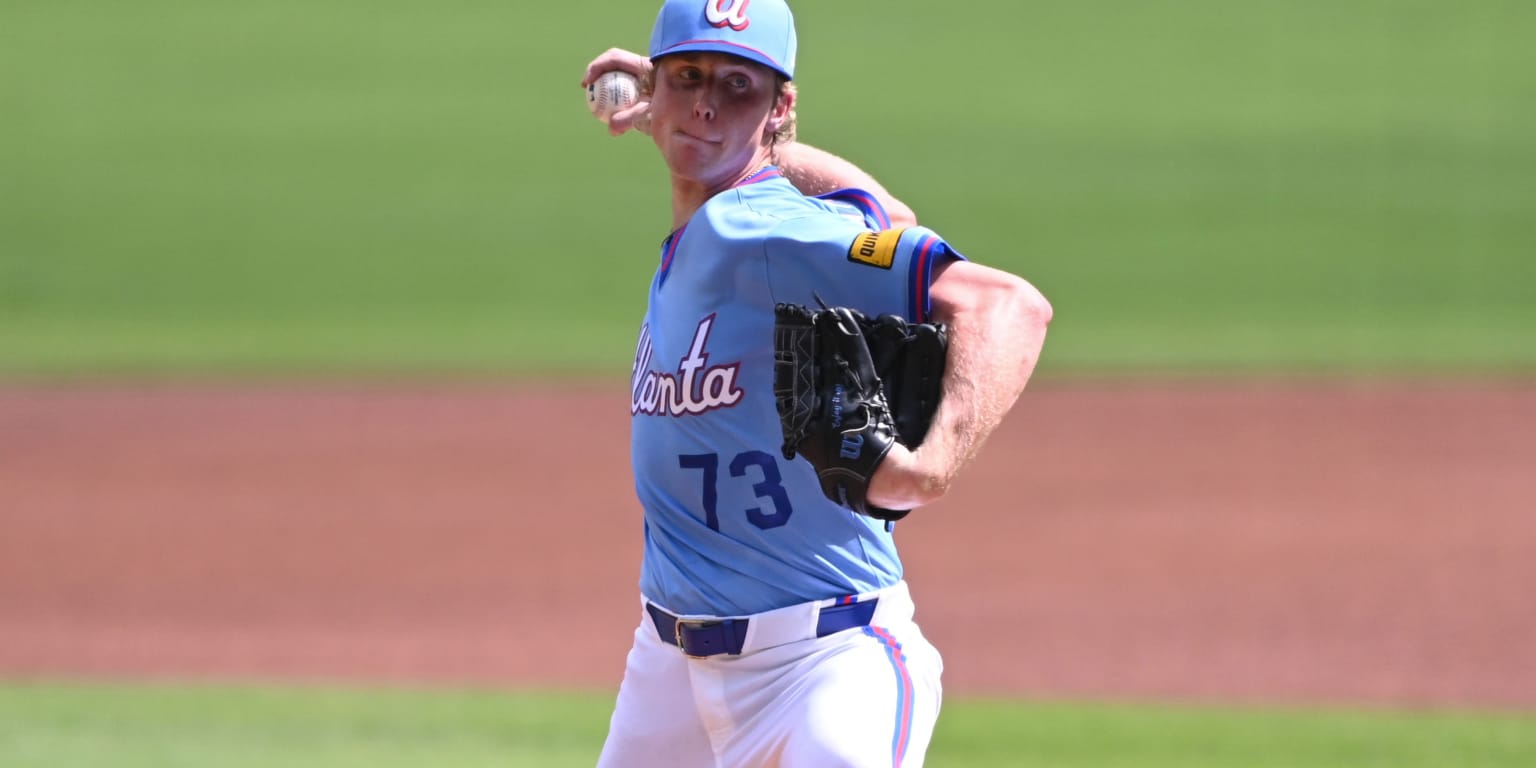
Murphy’s debut showed why Atlanta is still searching
Owen Murphy got the call, and the Braves got another reminder that prospect excitement does not equal rotation stability. The outing was short — 2 2/3 innings — and it landed right in the middle of a season where Atlanta keeps trying to patch together starting pitching with duct tape, upside, and hope.
That’s the story here. Not just one rough debut. The bigger issue is that the Braves keep reaching into the system because the big-league rotation still needs help, and the next wave of arms is not arriving fully formed. Murphy and JR Ritchie are still projects. Useful projects, maybe. Immediate answers? Not yet.
The Braves have lived this reality before. Deep farm systems make executives feel better in March, then June arrives and the innings start disappearing. The margin gets thin fast. If the front office was hoping one of these kids would stabilize the rotation, this start was a loud reminder that development doesn’t care about urgency.
Atlanta needs innings more than it needs optimism right now.
A rotation problem, not just a prospect problem
This is where the Braves’ season gets interesting in the unglamorous way. Rotation issues are not solved by one prospect call-up unless that prospect is already carrying major-league ready command. Murphy isn’t there yet, and that’s not a knock. It’s just the business.
The Braves have been trying to balance win-now expectations with a pipeline that’s still maturing. That’s a tough spot. When the lineup can score, the pressure on the staff is obvious. Every short start forces the bullpen into extra work, and every extra bullpen day has a ripple effect a week later. Teams don’t just lose one game to bad starting pitching. They lose flexibility.
And that’s why this matters beyond Murphy’s line score. If Atlanta can’t get length from the back end of the rotation, it starts limiting everything else: matchup management, bullpen usage, even how aggressive they can be with young arms. It becomes a roster-cascade problem.
If you want the broader blueprint for how quickly a club can turn a promising stretch into a scramble, look at the way every contender eventually has to solve the same question: who eats innings when the season turns ugly? We’ve seen that theme across sports, too, from the pressure on stars in LeBron James’ next-team conversation to the way short windows punish teams that are light on depth.
The Braves can’t keep waiting on ceiling alone
Here’s the part front offices hate admitting: ceiling is cheaper than certainty, but certainty wins the daily grind. Atlanta has enough talent to dream on Murphy and Ritchie. What it doesn’t have, at least not from this group yet, is a quick fix.
That puts more weight on the veterans and on the organization’s ability to survive until the kids catch up. It also means the Braves have decisions to make on how aggressive they want to be in helping the rotation outside the system. Do they stay patient and trust development? Do they chase a more stable arm if the market gives them one? Those are not theoretical questions when the innings are piling up.
This is where roster architecture matters. The best clubs do not simply identify pitchers with stuff. They identify pitchers who can hold shape under stress. A prospect can have a live fastball and still struggle to navigate a lineup three times. That’s usually where the learning curve lives, and it’s why debuts like Murphy’s often feel more sobering than exciting.
I’ll say it straight: Atlanta’s front office can talk itself into the future all it wants, but it still has to play the present. And the present says the Braves need more starting pitching, not just more names in the system.
What to watch next for Murphy and Atlanta
Murphy is not disappearing from the conversation. Far from it. This is the part of the story where development either accelerates or reveals the next layer of work. The key now is whether he can bounce back with cleaner command, quicker tempo, and enough efficiency to last longer in outings.
That’s the real test for a young starter. Not the first impression. The adjustment after it.
The Braves also need to keep an eye on how this affects the rest of the staff. If the rotation keeps asking the bullpen to bridge too much, that’s how seemingly manageable problems become season-long ones. The organization doesn’t need Murphy to be the savior. It needs him to be part of a larger answer — and right now, that answer is still incomplete.
That’s the tension in Atlanta. The future is still there. It just isn’t ready to start every fifth day yet.
Expect the Braves to keep testing the depth chart, keep leaning on development, and keep looking for length wherever they can find it. Because the clock isn’t on Murphy alone. It’s on the whole rotation.
More from Straight From The Bench
Comments
Join the conversation — sign in to leave a comment.
Sign in to commentRelated Stories
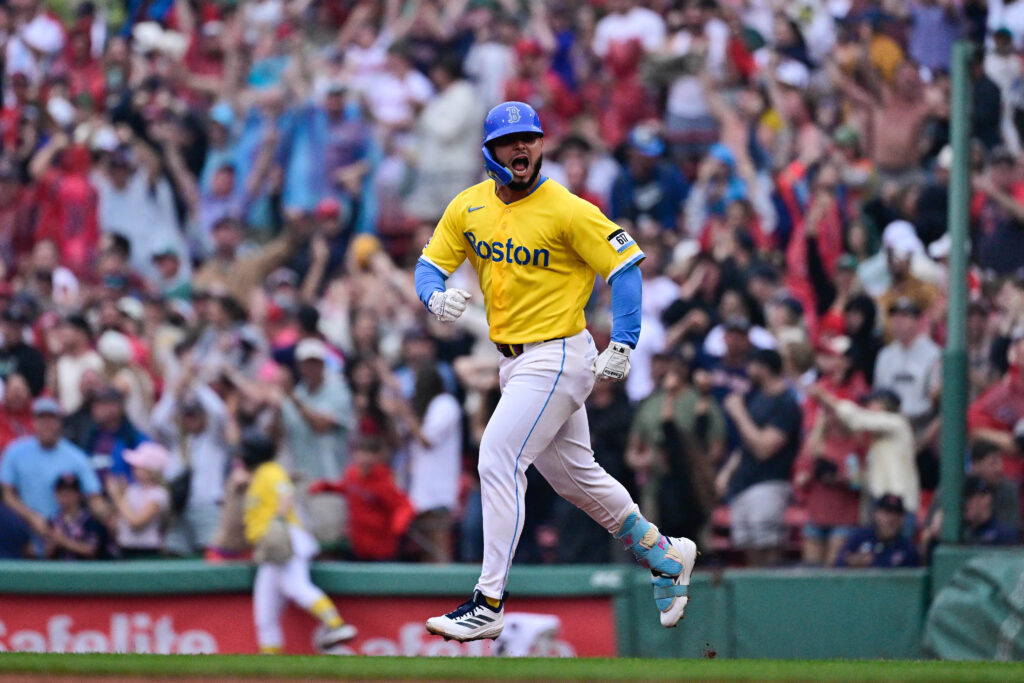
Red Sox Win Streak: Abreu, Orioles, and the AL East Race
The Red Sox have won 12 straight, and the AL East is beginning to bend around that fact. Boston’s latest rally says as much about belief as it does about batting order.
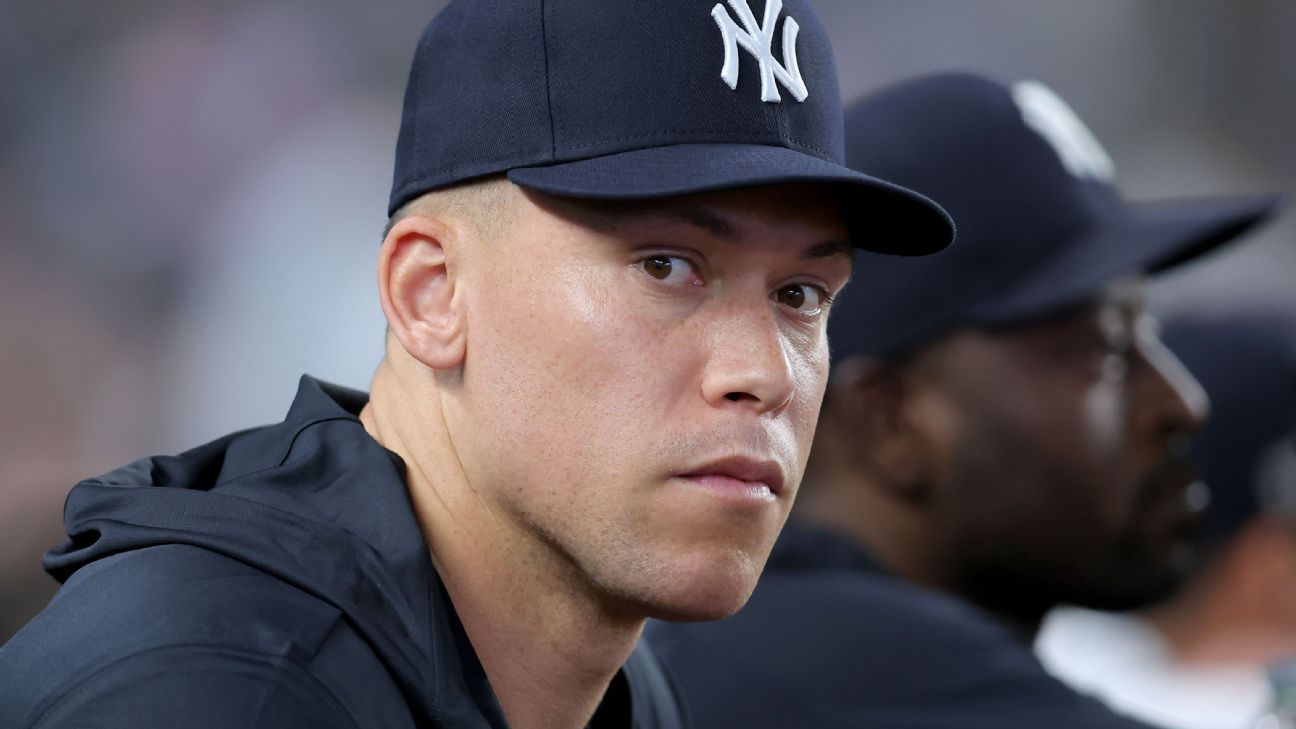
Aaron Judge Injury Update: Yankees Move Captain to 60-Day IL
Aaron Judge’s fractured rib has pushed the Yankees into a harder reality: patience now, pressure later. The captain’s absence reshapes October hopes before summer is even done.
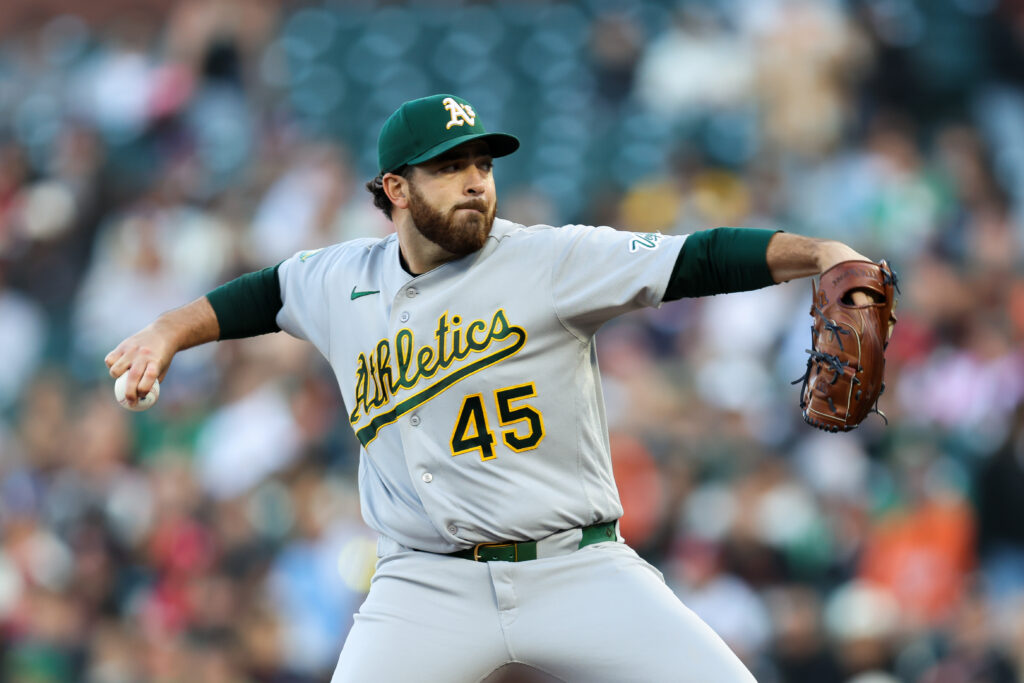
Cubs Acquire Aaron Civale: A Quiet Bet on Stability
The Cubs added Aaron Civale and cash from the Athletics, a small trade with a larger message: they still believe the season can be steadied by competent pitching.