
Agnes Ngetich Running News: Kenya’s Fastest Women Face Real Risk
A blazing running culture, a brutal cost, and a sport that keeps looking away.
 Zane Miller5 min read
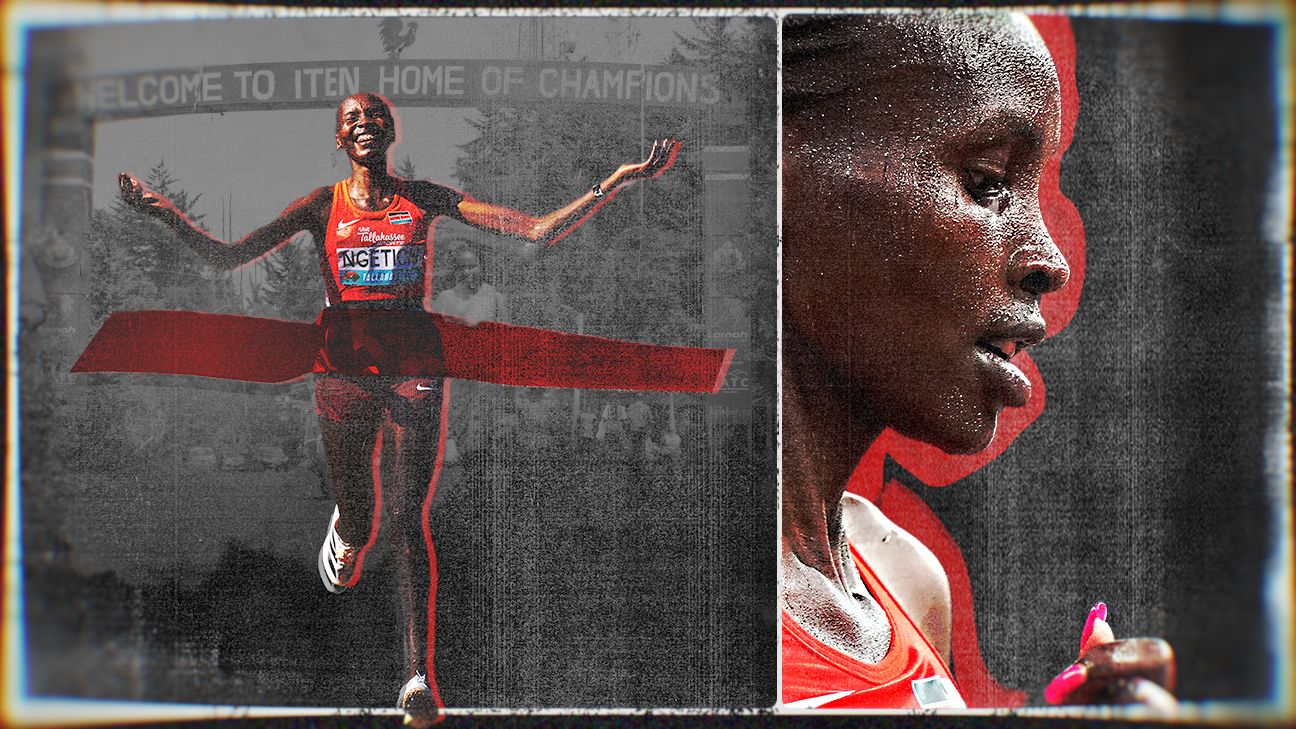
Kenya sells the world its runners in neat headlines: discipline, altitude, talent, medals. But the deeper story around Agnes Ngetich is harsher, and a lot less marketable. The women who make this country’s running machine hum are chasing personal bests in a place where being visible, successful, and female can come with risk. The same roads that build champions can also turn into a warning sign.
That’s the tension sitting at the center of this story. Running is not just a sport in Kenya. It’s a livelihood, a ladder, a bet on escape. For many athletes, the dream starts with shoes, dirt, dawn workouts, and the possibility that one breakthrough race changes everything. But for women, the equation has always had another layer. Safety. Control. Vulnerability. The market loves the medals. It does not always protect the people who earn them.
Kenya’s distance-running machine keeps producing stars
The global distance scene knows Kenya as a factory for endurance excellence. From World Athletics championships to road races across Europe and Asia, Kenyan runners have long set the pace, especially in women’s distance events. Ngetich fits right into that pipeline: thin frame, efficient stride, serious speed, no wasted motion. She represents the modern version of a classic Kenyan export — a runner whose body looks built for economy, but whose value is measured in split times and podiums.
That matters because the pipeline is getting more visible, not less. Young women in Kenya see that running can be a path out, but the closer they get to the top, the more exposed they become. Not just to burnout or overtraining. To the real-world stuff that never shows up on a timing screen. Travel alone. Public recognition. The pressure of being the provider. The danger of moving through communities where power still tilts heavily against women.
And make no mistake: the sport has already seen this movie too many times. When female runners become symbols, they can also become targets. That’s the ugly duality. Success brings prestige, but it can also paint a bull’s-eye.
The part of the story sponsors love gets crowded out
There’s a glossy version of this narrative that’s easy to sell. Heroic runner. National pride. Determination. Clean arc. Social media ready. The problem is that it leaves out the cost of existing in a system where women athletes often have to manage not just training blocks and race calendars, but basic personal safety.
That’s why this piece hits harder than a typical profile. It isn’t only about performance. It’s about the conditions around performance. Kenya’s running culture is powerful because it’s so embedded in daily life, and because success is communal. But communal also means exposed. Everyone knows who is fast. Everyone knows who is rising. That visibility is gold for a coach or a federation. It can be a burden in the wrong hands.
The broader sports conversation keeps circling this issue from different angles — support structures, travel safety, harassment, protection, reporting. We talk about athlete welfare constantly when the setting is a pro league in the U.S. or Europe. We do it a lot less when the athlete is a woman chasing miles on rural roads with far fewer layers of protection.
The medal table never tells you how dangerous the road to the start line can be.
Why Ngetich matters beyond one profile
This is where the story gets bigger than one athlete. Ngetich is not just another name on a results sheet. She is part of the next generation of women carrying Kenyan distance running forward, and the gap between global admiration and local safety is the real issue. The sport thrives on the image of resilience. But resilience is not a system. It is not security. It is not a substitute for institutional responsibility.
I’ve covered enough sports to know the script: we celebrate the breakthrough, then act surprised when the environment around it is unstable. That happens in football, in basketball, in track, everywhere. The difference here is the stakes can be brutally personal. A runner can be elite on the circuit and still live in a world where the basic promise of freedom is negotiable. That should bother anybody who claims to care about women’s sports.
My read? The international running world has gotten very good at consuming Kenyan excellence and still too comfortable not asking what it costs. There’s a tendency to treat African distance running like some mystical talent stream, as if the athletes just appear from altitude with gold in their legs. Nonsense. There is structure here, pressure here, and risk here. If the sport wants the product, it has to care about the people producing it.
The next layer: protection, pressure and power
The next questions are not about splits. They’re about safeguards. Who is looking out for these athletes between races? Who is giving them security when they travel? Who is listening when they say the threat is not abstract? And who, exactly, benefits when the conversation stays focused only on times and records?
That’s the piece the rest of the sports world needs to sit with. A runner can be one of the best in the world and still live with constant caution. A federation can point to medals and still have blind spots. A sponsorship deal can change a life and still not make it safe.
Kenyan women keep running because they have to, because they can, because the dream is too powerful to shut off. But every success story should come with the uncomfortable question attached: what kind of protection exists once the cameras move on?
Ngetich’s story is a reminder that speed is only part of the equation. The other part is whether the people around the sport are finally willing to treat women runners like athletes first, and liabilities to protect second — or not at all. The next race will come fast. The responsibility should too.
More from Straight From The Bench
Comments
Join the conversation — sign in to leave a comment.
Sign in to commentRelated Stories
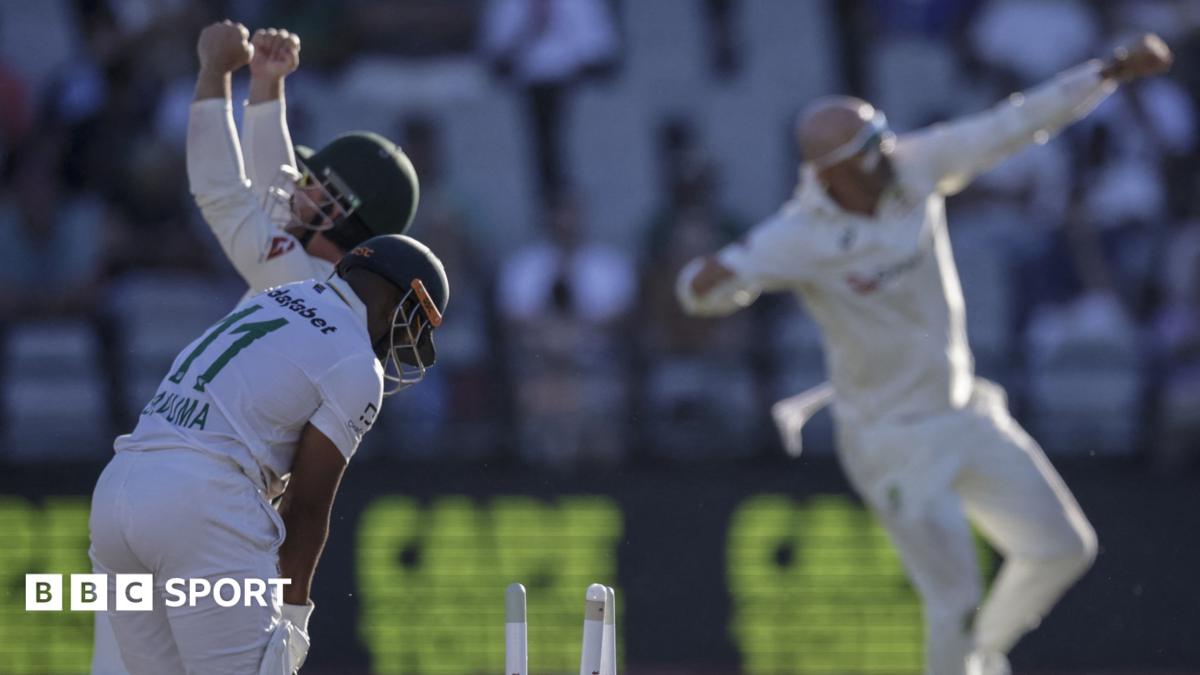
Australia vs South Africa: Careless dismissals open series door
Australia moved a step closer to a series win in Cape Town as South Africa’s top order threw away a strong position. The margin between pressure and panic was brutally thin.
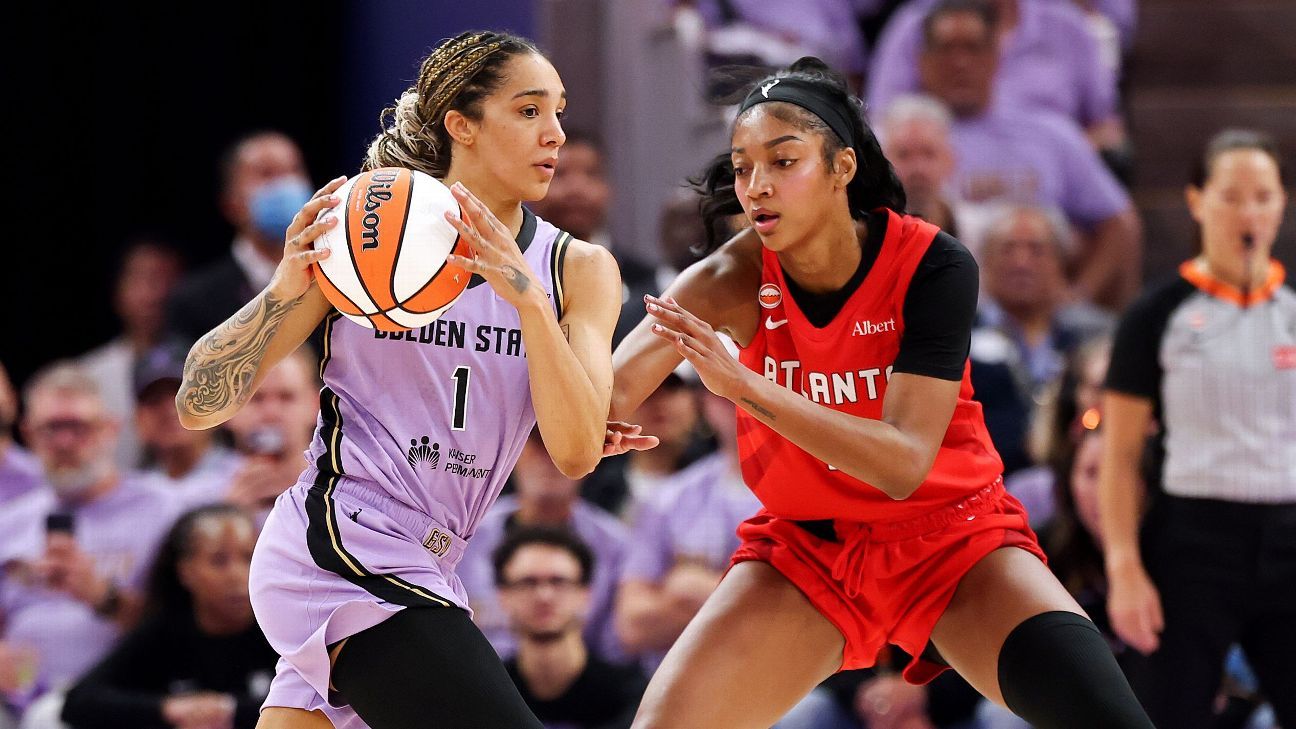
Valkyries vs Dream Game 6: Three keys to the WNBA title
Golden State and Atlanta enter Game 6 with everything on the line. The margin is tiny, and the team that handles nerves best should lift the trophy.

Christian Watson injury update: Packers WR returns after ambulance
Christian Watson left Lambeau in an ambulance after coughing up blood, then returned in the third quarter. That is not normal football, even by Packers standards.