
A’ja Wilson Fan Incident: Fever Fans, Playoff Heat and Control
The noise around the game says as much about the WNBA’s rise as the box score does.
 Beatrice Kensington5 min read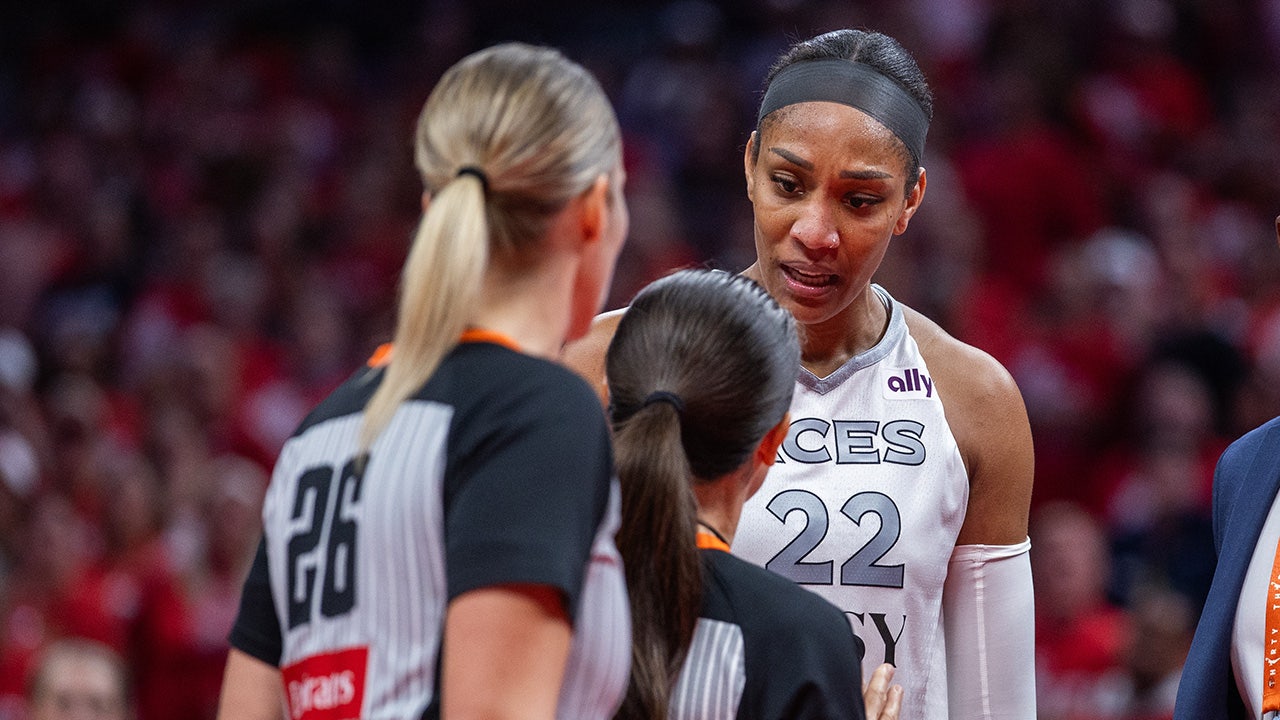
The moment that hijacked a playoff night
For a few tense seconds inside the arena, the basketball shrank and the human theater around it swelled. A’ja Wilson, the Las Vegas Aces’s standard-bearer and one of the most imposing talents this league has ever seen, confronted a courtside fan during the Aces-Fever playoff game. Security stepped in, the situation was assessed, and the man was cleared of any conduct violation. That is the clean procedural end of it. The messier truth is that a postseason game in today’s WNBA no longer belongs only to the players and the scorekeepers. It belongs to a stadium full of people who know they are watching a cultural event as much as a sporting one.
And that matters, because the league’s rise has brought with it a sharper edge. Bigger crowds bring more passion. More cameras bring more consequences. The old protective layer of obscurity has been peeled away, and every interaction now arrives wearing a spotlight.
Caitlin Clark’s night, and why it pushed everything else aside
The most important basketball story in the building was not the sideline flare-up. It was Caitlin Clark, who authored a performance that felt both historic and merciless as Indiana Fever rolled to a 99-89 win over the Aces and forced a decisive Game 3 in Las Vegas. That is the part of the night that will shape the series, the standings of memory, and the postseason ledger. Playoff basketball has a way of sorting the real from the incidental, and Clark’s imprint was real enough to bend the game toward Indiana’s will.
This is where the league’s new gravity shows itself. A single player can now draw enough attention to make a semifinal or first-round game feel like a national appointment, and that attention spills into the stands. There is admiration in that. There is also volatility.
The bigger the stage, the thinner the excuse for anybody who forgets the players are not props.
A’ja Wilson, scrutiny, and the burden of being visible
Wilson has lived for years with the strange double life of superstars: revered on one side, scrutinized on the other, never afforded the luxury of being merely excellent. That is the tax on greatness, especially for Black women in sports, who are expected to perform with grace while absorbing a level of public intrusion that would make lesser figures crumble. The details of this incident suggest the arena handled the situation without escalation. Fine. Necessary. But the very fact that it happened tells you how close the social friction now sits to the hardwood.
It would be lazy to file this under “fan behavior” and move on. The truth is more uncomfortable. Modern arenas are highly charged civic spaces, part entertainment hall, part pressure cooker, part comment section with better lighting. When a player of Wilson’s stature turns toward the crowd, something has already gone sideways. Even when the security response is measured, the emotional residue lingers.
I have covered enough postseason basketball to know this: the temperature in the building is not measured only by decibels. It is measured by expectation. By entitlement. By the difference between passion and possession. Too many spectators believe proximity grants them authorship. It does not. Courtside seats are not a license to write your own subplot into somebody else’s career.
There is a historical parallel here, and not a flattering one. The more women’s sports gain mainstream oxygen, the more some corners of the audience behave as though access is the same thing as permission. It isn’t. The WNBA has spent decades earning its present moment the hard way, and it should not have to pay for that visibility by tolerating bad faith from the cheap seats.
What the Aces and Fever carry into Game 3
The practical effect of all this is simple: the series is alive, and now it is carrying all the baggage that comes with a deciding game. Indiana has momentum, confidence, and a breakout star in Clark who can make a possession feel like a seizure in the defensive structure. The Aces have pedigree, championship muscle, and A’ja Wilson, which is often enough to steady a season when the floor tilts underfoot.
For Las Vegas, the task is not merely tactical. It is emotional. Championship teams do not panic when the night gets noisy. They re-center. They understand that playoff basketball is a long argument and not every interruption deserves a response. Wilson’s poise will matter as much as her production.
For Indiana, this is a gift and a test. The franchise has surged into the center of the sport’s attention, and with that rise comes a new rule: every good performance now invites a bigger audience, and every audience brings its own weather. The Fever can celebrate the win, and they should. They also need to show they can carry this moment without being swallowed by it.
The league’s spotlight is getting hotter
This incident, minor in the box score and larger in the atmosphere, is a reminder that the WNBA is moving through a pivotal stretch of its life. More attention is not just applause. It is scrutiny, noise, expectation, and sometimes ugly behavior from people who want to insert themselves into the story. The league has asked for none of that nonsense. It has, however, earned the kind of visibility that makes these episodes harder to ignore.
That is the price of relevance. Not the pretty version. The full invoice.
The next game will tell us plenty about the series. It will also tell us whether the people inside the arena learned anything from the brief, ugly interruption that tried to steal the night. The best answer is always the oldest one in sports: play on, cleanly, fiercely, and let the game restore the order the crowd tried to disturb.
More from Straight From The Bench
Comments
Join the conversation — sign in to leave a comment.
Sign in to commentRelated Stories

White Sox vs Astros Wild Card: Houston Gets Booed at Home
Houston’s wild-card opener turned ugly fast, and the home crowd let the Astros hear about it. That never helps, but the bigger problem was the baseball.
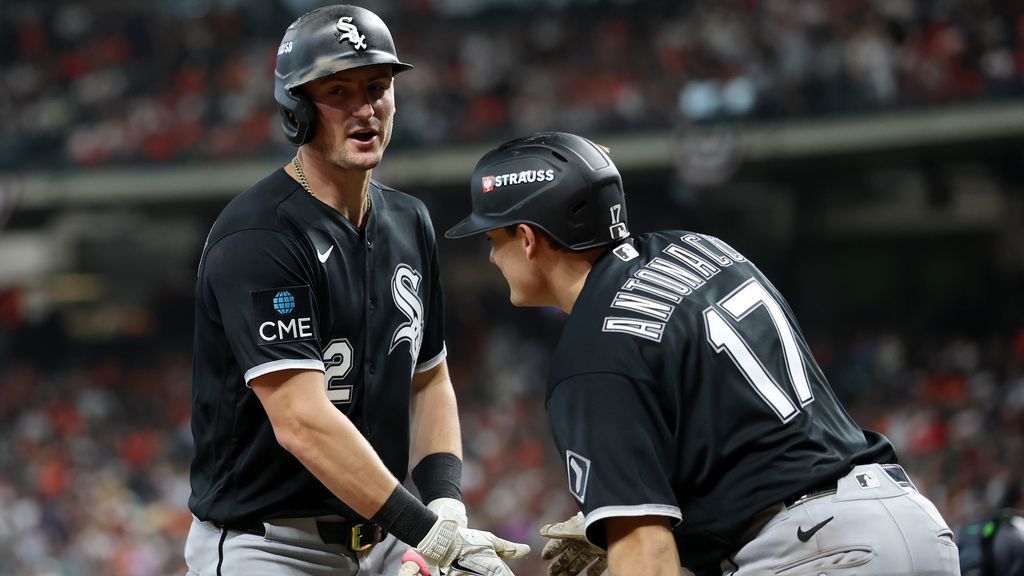
White Sox vs. Astros Game 1: Chicago Ends Playoff Drought
Chicago opened its Wild Card series with a 6-3 win over Houston, snapping a postseason drought that had hardened into memory.
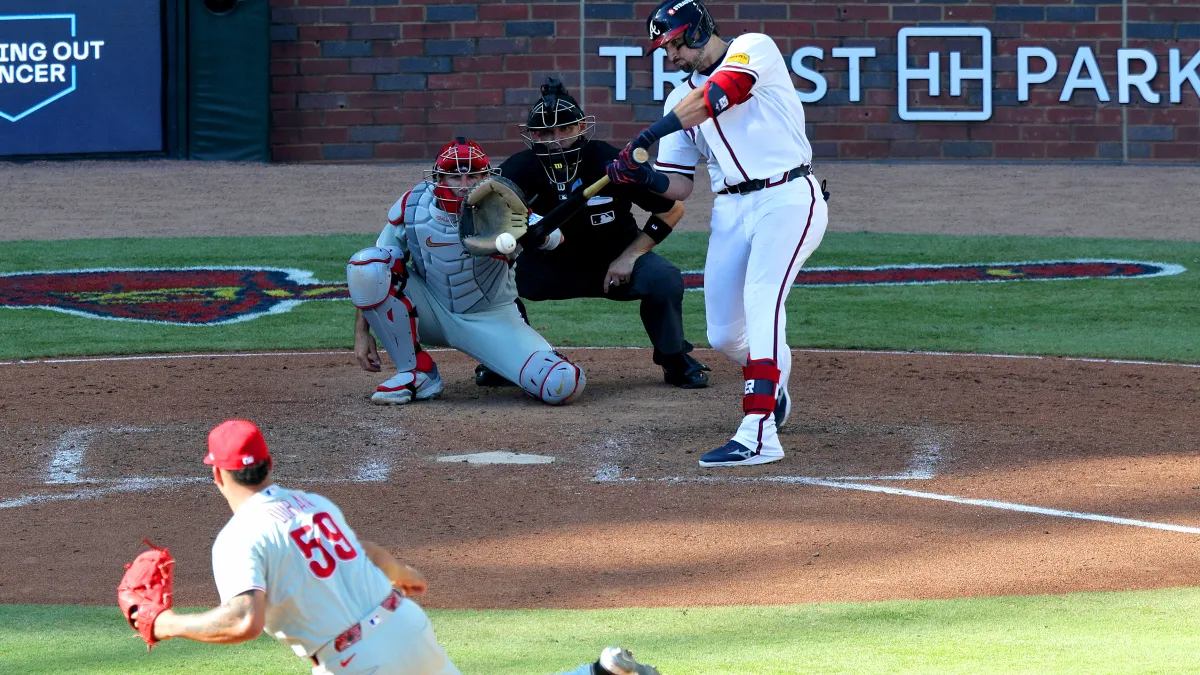
Braves vs Phillies Wild Card: Riley's homer breaks Game 1
Austin Riley’s three-run blast turned a tight October opener into a bruise. The Phillies now face a familiar and unforgiving truth: one bad inning can bend a season.