
White Sox vs. Astros Game 1: Chicago Ends Playoff Drought
A first taste of October, and the Sox did not flinch.
 Beatrice Kensington6 min read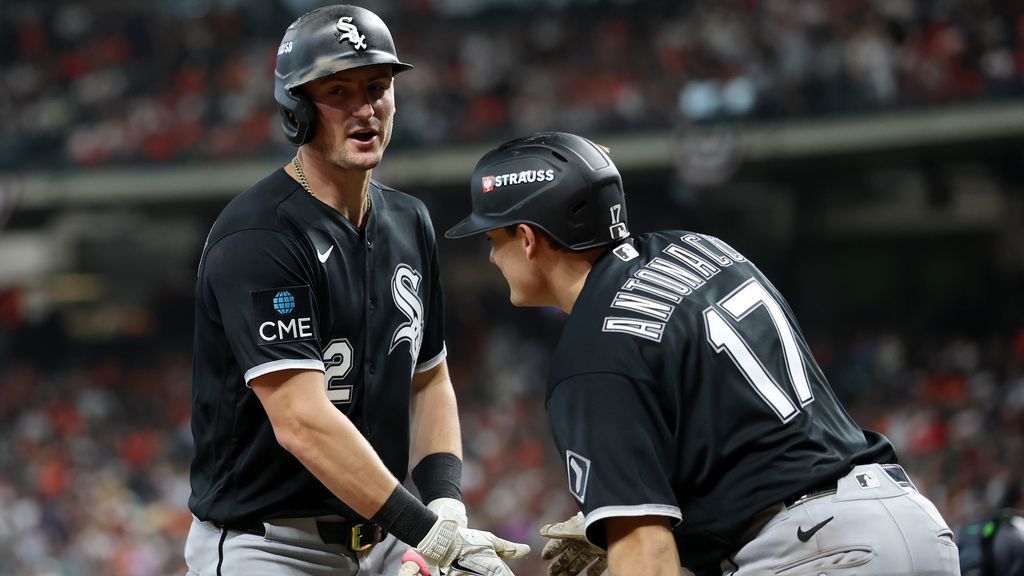
A return to October, and a team that finally looked like it belonged
HOUSTON — The Chicago White Sox did not come back to the postseason with trembling hands or borrowed hope. They came back swinging, and for one October evening at least, they looked like a club that had learned how to wear its scars without bowing under them. A 6-3 win over the Houston Astros in Game 1 of the AL Wild Card Series was more than a line in a box score. It was a release. It was the sound of a long-locked door finally giving way.
For a franchise that endured three straight 100-loss seasons before its sudden rise back into relevance, this mattered in a deeper register than the usual October arithmetic. The White Sox were not simply trying to steal an opener. They were trying to prove that the last five years had not hollowed them out, that rebuilding had not become a permanent residence. They did that with a game built on composure, timely offense, and the sort of stubborn edge that tends to separate a cute story from a real one.
The weight of the first win since 2021
This was Chicago’s first playoff victory since 2021, and though that date should not be allowed to become a ceremonial talisman, it is not nothing. Postseason droughts are peculiar things. They do not just stain a record; they seep into a club’s identity. Players come and go. Front offices change their language. Fans learn to brace themselves before even the first pitch. Then one October win arrives and reminds everybody that the old narratives are not laws of nature.
The White Sox needed that reminder badly. Against an organization like Houston, which has made itself at home in October, there is always an emotional tax. The Astros know the rhythms of these games, the slow squeeze of pressure and the way one inning can tilt the air in a ballpark. Chicago absorbed that and still kept its feet. That is the real sentence here, not the score.
October does not hand out absolution, but it will tell you who has learned to stop panicking.
What Chicago did right, and why it held up
The White Sox did not win this by accident or by waiting for Houston to make a parade of mistakes. They put together a performance with enough force to matter and enough control to survive. Six runs in a playoff opener is no small thing, especially against a club that tends to suffocate opponents when the innings begin to tighten. Chicago’s offense found enough pressure points to make the Astros spend the night reacting instead of dictating.
That, in a short series, is oxygen.
The other part was demeanor. There is a kind of reckless energy that often follows teams returning to the postseason after a long absence, a temptation to treat every pitch like the last one on earth. The White Sox avoided that trap. Even in the moments when the game threatened to tilt, they looked like a club capable of living inside the tension rather than surrendering to it. That is not a small developmental step. It is the kind of thing organizations spend years trying to teach and only occasionally manage to learn.
For those tracking the broader arc of this team, this result sits in conversation with the earlier stages of the rebuild that finally gave way to real contention. It also makes the recent momentum around the club feel less like a summer mirage and more like a genuine shift in posture. If you have been following their path closely, the tone will feel familiar to readers who have been watching the other end of this franchise’s progress, too — the kind of sharpened edge we noted in the White Sox-Astros Wild Card Game 1 pitching matchup, even if the final shape of the evening belonged to the bats and the nerves.
Houston still owns the room until someone takes it
None of this means the series has changed ownership. One win in a best-of-three does not erase Houston’s institutional memory, and the Astros remain exactly what they have been for years: a club that understands how to turn a postseason series into a pressure chamber. That matters because Game 2 will not begin with Chicago’s storyline. It will begin with Houston’s response.
A team like the Astros rarely gets rattled for long. They have the scar tissue, the lineup depth, and the veteran instincts that tend to matter most when October gets stingy. So Chicago’s challenge now is not celebrating this night too hard. It is resisting the temptation to treat a breakthrough like a finish line. The hardest part of winning your first playoff game in years is not the game itself. It is the morning after, when the paper is folded, the praise is loud, and the series is still there, waiting.
My read: this is bigger than one bracket line
I have written enough autumn columns to know that the first postseason win after a long famine can mislead the gullible. It can make a team feel further along than it is, and a fan base more healed than it truly is. But I do not think this should be mistaken for smoke and mirrors. The White Sox have not simply stumbled into a hot night. They have arrived at a moment where the franchise’s recent pain can finally be measured against something sturdier than disappointment.
That is why this victory resonates. Not because it guarantees anything, but because it changes the tone of the conversation. A year ago, Chicago’s problem was existential. Now the question is narrower, more demanding, and far healthier: can they turn a first win into a series win, and then into the habit of being difficult in October? Clubs become dangerous when they stop asking permission from history.
I also think this says something about the emotional hunger of baseball itself, a sport that can still make a single night feel like a civic event. The MLB postseason, for all its modern gloss and broadcast machinery, still belongs to the old human impulses: relief, dread, and the stubborn belief that a franchise can be altered by one clean swing or one well-timed inning. Chicago had been starved long enough to understand that on a bone-deep level.
Game 2 now carries the harder burden. The first win was a breakthrough. The next one would feel like proof.
More from Straight From The Bench
Comments
Join the conversation — sign in to leave a comment.
Sign in to commentRelated Stories
Braves vs Phillies Wild Card: Riley's homer flips Game 1
Austin Riley’s eighth-inning blast gave Atlanta a 5-3 win in Game 1 and shoved the Phillies into a pressure lane they’d rather avoid.
Braves vs Phillies Wild Card: Riley's homer breaks Game 1
Austin Riley’s three-run blast turned a tight October opener into a bruise. The Phillies now face a familiar and unforgiving truth: one bad inning can bend a season.

White Sox vs. Astros Wild Card: Hagen Smith, AJ Blubaugh Open Game 1
The Astros got here with a rotten record and a division crown anyway. Now they’re asking AJ Blubaugh to start the opener while the White Sox hand the ball to Hagen Smith.