
Alex Cora Phillies Manager News: Why He Said No for 2027
Philadelphia’s search hit another wall, and the silence says plenty.
 Beatrice Kensington6 min read
The Phillies did not merely lose a managerial target. They ran, once again, into the hard edge of a baseball truth that has been circling this franchise for years: prestige helps, money helps, the right roster helps — and still, the job has to fit the man. Alex Cora, a World Series champion with the instincts of a veteran chess player and the composure of someone who has already seen every alleyway in the sport, is not taking the Philadelphia seat in 2027. The refusal lands with a dull, specific thud. Not dramatic. Worse than dramatic. It feels final.
For Philadelphia Phillies fans, this is not simply another name scratched off a list. It is a reminder that the club’s future remains tangled in timing, ambition, and the stubborn reality that one of the most demanding jobs in baseball does not automatically become irresistible because the market is large and the expectations are louder. Dave Dombrowski has spent his tenure building a roster meant to win now, not someday. Yet the managerial chair keeps becoming a kind of waiting room, and the people who might occupy it keep looking for the exit.
Another door closes in a city that never stops knocking
Cora’s decision to sit out 2027 — to take that year off entirely, according to the tip — does more than remove a familiar candidate from the board. It tells you something about the temperature of the job itself. Philadelphia is a baseball town that loves with its whole chest and doubts with equal fervor. That can be a gift in October, when the noise becomes fuel. It can also be a burden that settles on the shoulders of a manager like a wet wool coat.
The Phillies have lived through this before. The wrong fit in that chair becomes a slow leak, the kind that drains belief one series, one road trip, one tense postgame at a time. Cora’s résumé would have brought instant credibility: he has managed under the harshest lights, handled a championship clubhouse, and understands the modern game without sounding enslaved to it. That blend is rare. Rare enough that a team can wait for it, and rare enough that it can choose not to come.
And so the Phillies are left staring at a familiar question: do they need the brightest tactical mind available, or the person most able to absorb the city’s daily weather and still keep the room steady? The answer is often both. That is why the pool of candidates never seems deep enough.
Why Cora’s no matters beyond one vacancy
Cora’s choice reaches beyond Philadelphia because it reinforces a trend that has become harder to ignore in baseball’s managerial market. The best managers are not just tacticians; they are translators, crisis managers, public-facing buffers, and workplace diplomats. They manage pitchers, egos, media storms, and the emotional wear of a 162-game season that offers almost no privacy. The good ones do not merely fill a role. They shape a culture.
For a team like the Phillies, still built around star power and postseason expectation, that matters. A manager is not a decorator. He is part of the architecture. If the roster is expensive and the window is open, the job becomes more exposed, not less. Every loss is amplified. Every bullpen decision is a referendum. Every slump becomes a national conversation in a city that does not believe in quiet suffering.
Cora understands that terrain. Perhaps too well to step into it casually.
The most revealing part of a coaching search is not who wants the job. It is who knows enough to decline it.
That line applies here with some force. Cora’s decision suggests either a personal preference, a professional calculation, or both. Maybe he simply wants distance in 2027. Maybe he sees the burden that comes with Philadelphia and prefers not to make that a problem for himself. Whatever the internal reason, the external message is plain: this was a job worth talking about, but not one worth taking.
The Phillies’ winter may last longer than they hoped
The practical effect of this spurned pursuit is that the Phillies have to keep searching with no assurance that the next candidate carries Cora’s gravity. That is not a small thing. Fans do not always talk about managers the way they talk about lineup spots or ace starters, but the man in the dugout sets tone, and tone is a real currency in a clubhouse that expects to contend.
Philadelphia has not lacked for ambition. It has lacked, at times, for seamless alignment. The roster has been built to win a championship, yet the organization keeps confronting the fact that winning at the top end of the sport is as much about cohesion as talent. A manager who can handle the pressure cooker without shrinking it or inflaming it is valuable precisely because he prevents small fires from becoming organizational weather.
This is where Dombrowski’s task becomes more delicate. He cannot simply chase a brand name and hope the city softens around it. The next hire has to understand the emotional geography of the place. He has to know that Citizens Bank Park can feel like a cathedral when the team is rolling and a courtroom when it is not. That is not metaphor for decoration. It is the job.
If you want a useful comparison, look at the kind of managerial scrutiny that follows teams every year when expectations outpace comfort. We saw a version of that pressure in the Dodgers world with lineup decisions drawing microscopic attention, and we have seen how the wrong strategic choice can become a public narrative overnight. Philadelphia simply has a shorter fuse.
What the Phillies need now is less glamour, more fit
I keep coming back to the same thought: the Phillies do not need a ceremonial answer. They need a compatible one. The romance of a big-name manager is seductive, especially for a club that wants to believe it is standing on the edge of something larger. But dugouts are not prizes. They are operating rooms, and sometimes the person best suited to the table is the one who does not arrive with the loudest reputation.
Bea’s view is simple. Philadelphia should stop shopping for symbolism and start shopping for steadiness. A manager here has to be able to live inside the pressure, not merely perform in front of it. He has to know when to protect the clubhouse and when to challenge it. He has to speak plainly, because this city can smell varnish from a mile away. And he has to understand that October in Philadelphia is less a season than a trial by weather.
That does not mean the Phillies should lower the bar. It means they should finally define it more honestly.
The Cora door is closed. Now comes the harder work — finding the one that opens without a flourish, and holds when the wind picks up.
More from Straight From The Bench
Comments
Join the conversation — sign in to leave a comment.
Sign in to commentRelated Stories
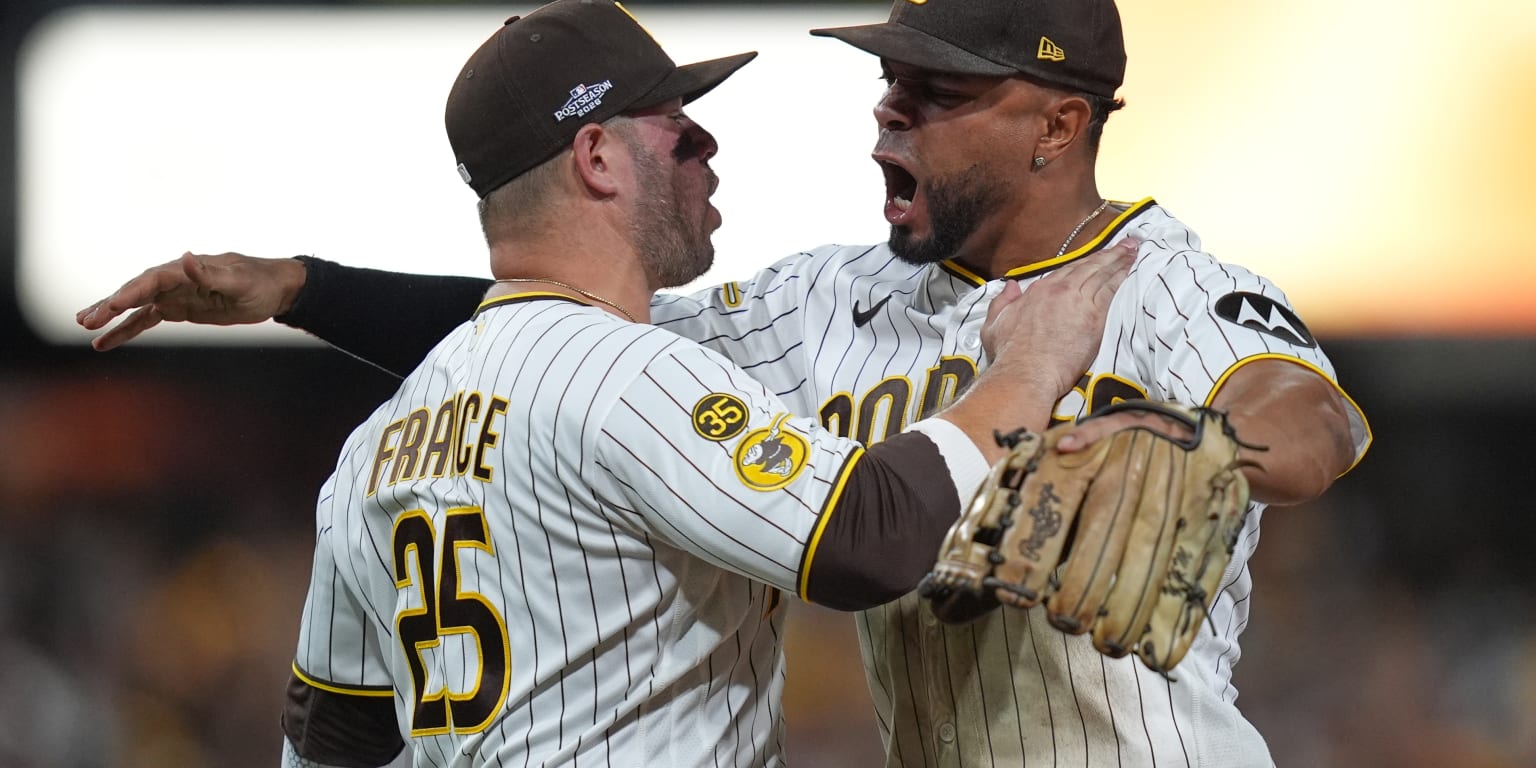
Padres NLDS Game 4: King Leads All-In Relief Push
The Padres had no margin and no luxury, only urgency. Michael King and a bullpen on fumes helped drag San Diego back into the NLDS.
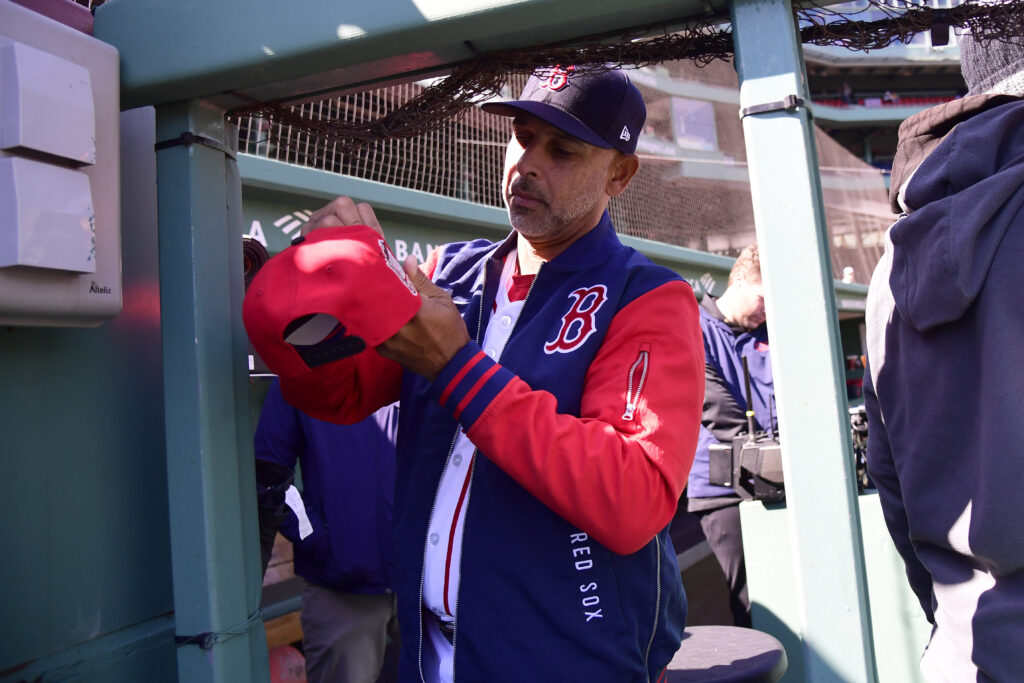
Alex Cora Phillies Manager News: 2027 Door Appears Shut
Philadelphia’s managerial search just lost one of its fanciest possible outcomes. Alex Cora has apparently told the Phillies he doesn’t plan to manage there in 2027.
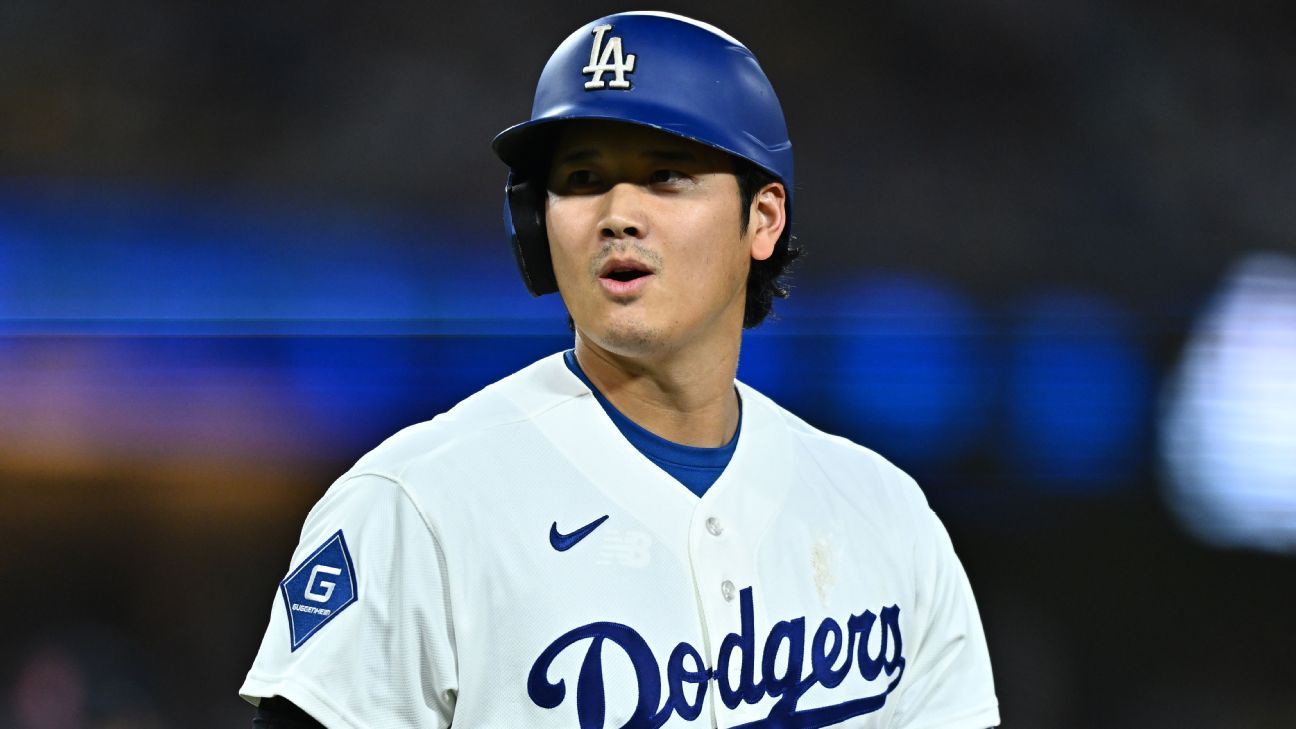
Dodgers Shohei Ohtani Lineup Move: Roberts Drops Star to No. 5
Shohei Ohtani at No. 5 is more than a lineup quirk. It’s a message about urgency, matchup math, and how little margin the Dodgers have left.