
Andrew Painter Injury Update: Phillies stay calm after hamstring scare
The top prospect walked off fine, but every deadline-era twinge now feels louder in Philly.
 Zane Miller5 min read
Andrew Painter’s night ended early, and that alone is enough to tighten every Phillies seat in the house.
He left with left hamstring tightness after what the club clearly hoped would be another step forward, and the postgame mood was as measured as you’d expect from a team that just spent deadline capital choosing to trust its pitching depth. Painter said he felt good about moving forward. Good. That’s the headline. Not panic. Not disaster. Just the kind of small injury note that becomes a much bigger story when it lands in August and involves a name the organization has been handling with kid gloves for a reason.
A small exit that carries big organizational weight
The Phillies didn’t bring Painter along to watch the radar gun or rack up feel-good narrative points. They brought him here because his arm changes the shape of the future, and because every contender wants another high-upside starter who can reduce the nightly stress on the rest of the staff. When a player like that comes out early with a hamstring issue, the concern is less about the box score and more about the calendar.
Trade deadline injuries hit differently. The front office has already made its bet on the present. There’s no easy pivot once you’ve spent roster flexibility and prospect capital on a run. So even if this turns out to be a brief pause, the ripple effect is real. Every inning Painter can’t give you gets redistributed. Every evaluation gets delayed. Every “we’re fine” from the dugout gets scrutinized a little harder.
The encouraging part is obvious: Painter did not sound like a player describing a major setback. That matters. Hamstring tightness can be a one-night nuisance or a longer road, and the club will treat it with the usual caution that comes with young arms and any lower-body issue. This is not the time for anyone in Philadelphia to be brave for the sake of it.
Why the Phillies are walking a thin line
This is where the roster math starts to bite. The Phillies are in the part of the season where every decision gets graded twice — once in the standings, once in October projections. They need reliable innings, not just live arms. They need Painter available, but they also need him healthy enough that the organization doesn’t create a longer problem by rushing through a shorter one.
That’s why this matters even if the injury winds up minor. If Painter misses time, the Phillies have to cover those innings from somewhere. Maybe it’s a reshuffle. Maybe it’s an opportunity for someone already in the room. Maybe it means the workload gets spread thinner across the staff than they’d prefer. Either way, a contender that just added urgency at the deadline hates losing optionality.
There’s also the development piece. Painter is not some emergency plug-in. He’s the kind of pitcher teams talk about in terms of years, not weeks. Which is exactly why Philadelphia has to resist the urge to treat every encouraging outing like proof that the leash should be shorter than it is.
For a refresher on how these Phillies are built around short-term pressure and long-term bets, the Phillies have spent years trying to balance both without blowing up the present. They’re still doing it. Just louder now.
The deadline made this a different kind of injury story
If this happened in April, it would still matter. In August, after the deadline, it gets loaded with extra meaning.
That’s because teams don’t just trade for talent in late July. They trade for certainty. They trade for fewer holes. They trade because they think the margin between winning and losing is small enough to justify paying for the next few months in advance. A young pitcher leaving early pokes directly at that logic.
Painter’s situation also lands in a sport where pitching attrition is always lurking. The MLB season does not care how carefully you planned your rotation. It doesn’t care that a club made a deadline decision. It only cares whether you can keep sending out viable arms every fifth day and survive the little alarms along the way.
For a contender, an early exit is never just an early exit. It’s a reminder that the depth chart is only as useful as the health underneath it.
The Phillies have been around long enough to know this isn’t the moment for dramatic declarations. It’s the moment for boring. Imaging if needed. Monitoring. Talking through the next step. You can hear front offices right now doing the same thing all over the league: don’t rush the kid, don’t overreact, and don’t let a manageable issue become a season-altering one.
Painter’s bigger value is still intact
I’ll say this plainly: the most important thing here is not whether Painter felt good enough to talk optimism after the game. It’s that the Phillies still view him as a foundational piece and not a temporary novelty. That changes the stakes. Teams can survive a rookie arm leaving early. They can survive a veteran tweak. What they can’t survive, not if they’re serious about October, is building the rest of the year around hope instead of health.
And I don’t think Philadelphia is operating that way. This is an organization that knows how fast the noise grows when the margins get tight. A young pitcher with real upside gets one extra look, one extra day, one extra layer of caution. That’s not softness. That’s survival.
Here’s my read: if this stays contained, the Phillies move on with a brief scare and a sharper appreciation for what they have. If it lingers, then the conversation shifts from Painter the talent to Painter the availability, and that’s a different kind of pressure entirely. Front offices hate that turn. Coaches hate it too. Fans really hate it.
For now, the tone around Painter sounds steadier than the moment looked. That’s the good news.
The next checkpoint matters more than the exit itself. If he’s back, fine. If not, the Phillies’ depth chart gets tested fast, and nobody in that clubhouse wants to find out how thin the safety net really is.
More from Straight From The Bench
Comments
Join the conversation — sign in to leave a comment.
Sign in to commentRelated Stories
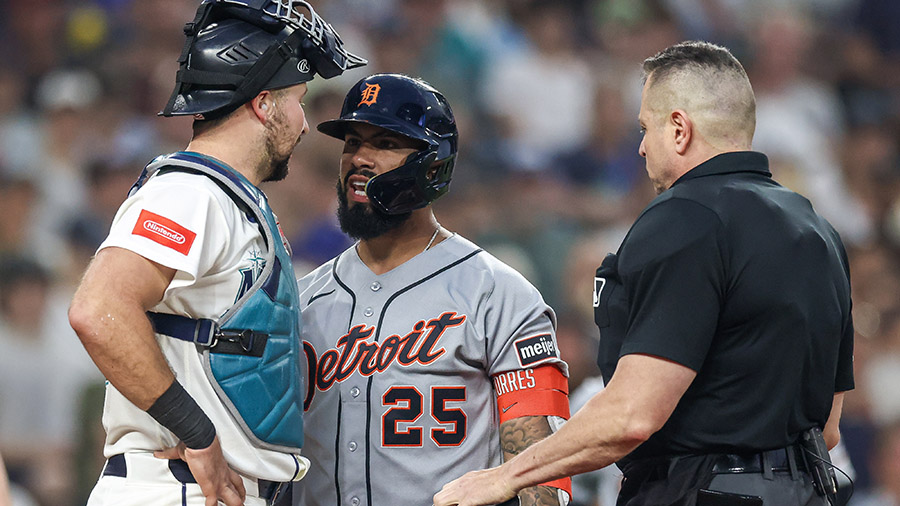
Mariners vs Tigers benches clear: Seattle’s win turns testy
Seattle beat Detroit, but the eighth inning belonged to anger, retaliation, and the old baseball math of pride. The standings keep moving; the bruise lingers.
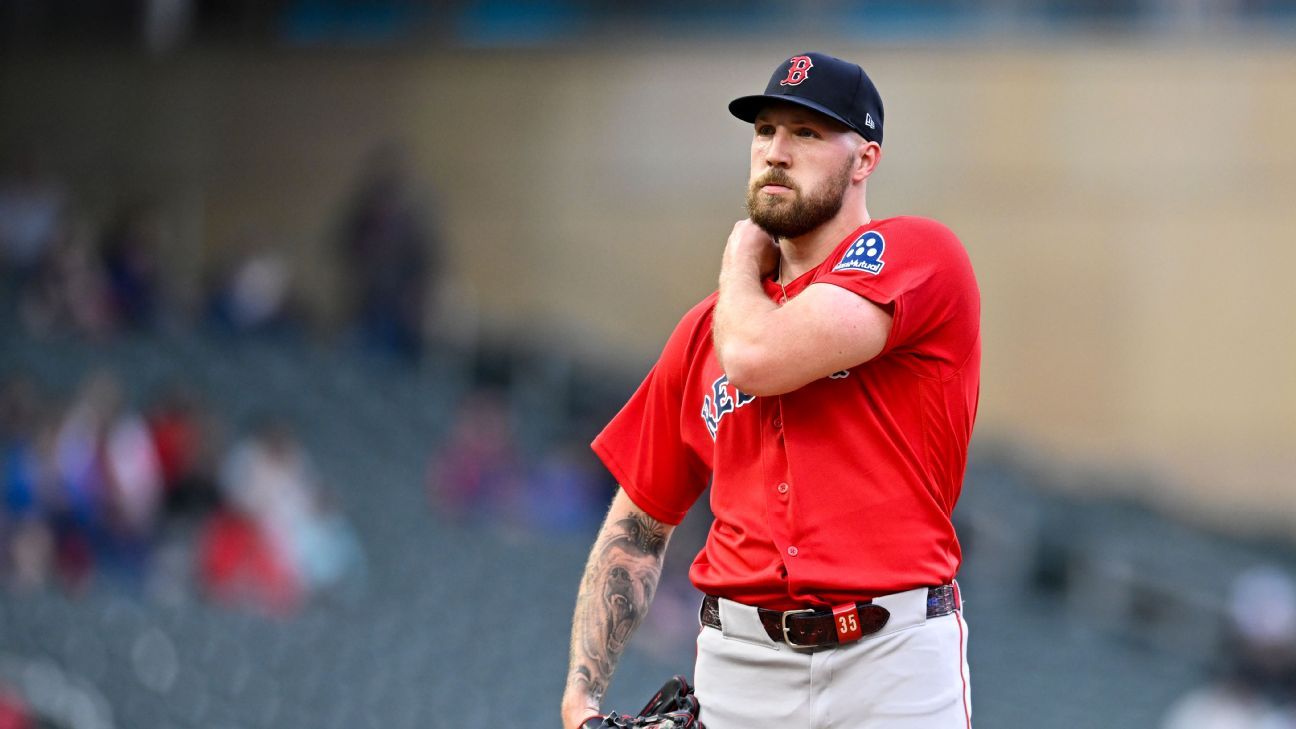
Garrett Crochet Red Sox Relief Role: late-season twist in Boston
Garrett Crochet says he’d take a relief assignment if it gets him back for the stretch run. For the Red Sox, that’s not a plan — it’s a lifeline.
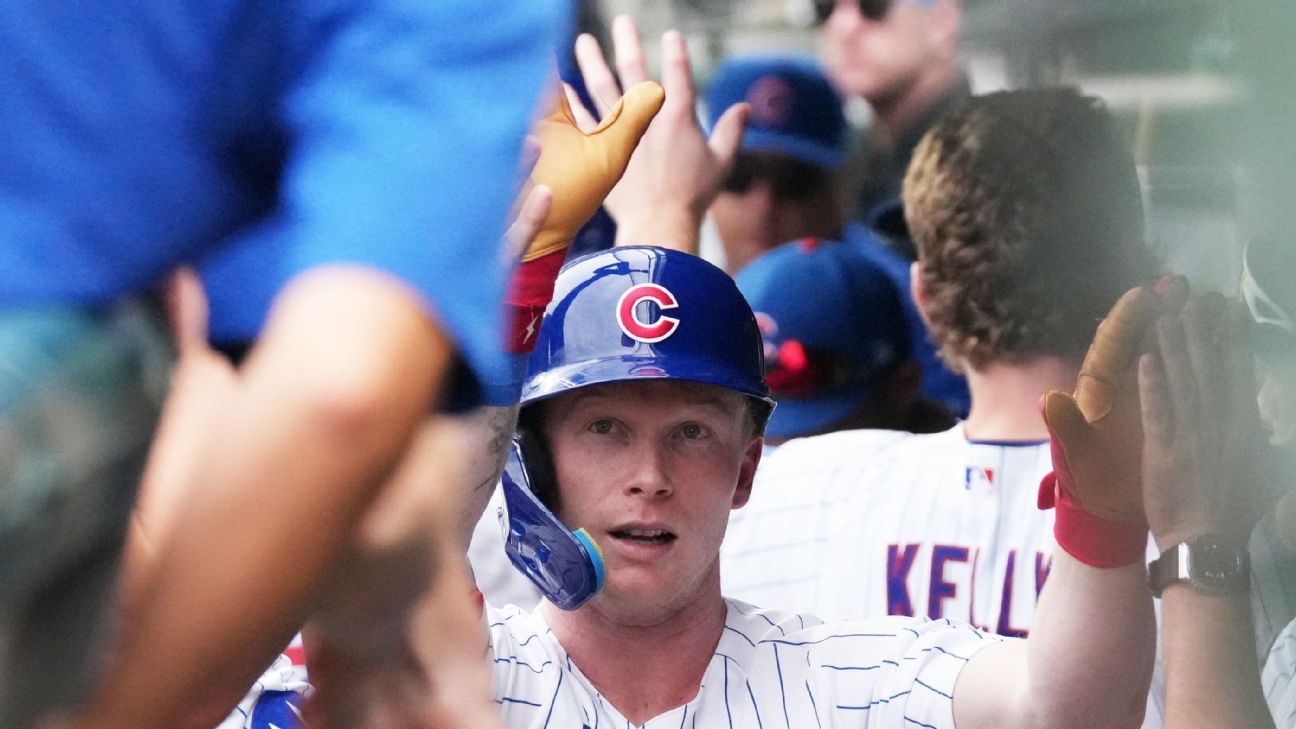
Pete Crow-Armstrong MVP Race: Cubs Star Stuns Dodgers
Pete Crow-Armstrong and Shohei Ohtani traded thunder in a 7-6 Cubs win, but the young center fielder left with the louder claim on the NL MVP race.