
Angel Reese WNBA Finals Game 2: Frustration Couldn’t Hide
The stat line traveled one way. The body language traveled another.
 Zane Miller5 min read

Angel Reese gave the Atlanta Dream a Finals jolt in Game 2, and still somehow walked off with the kind of viral moment coaches hate and contenders know too well. The box score says victory. The body language said something sharper. Less than eight minutes left in the quarter, Reese was visibly frustrated with her teammates, and that’s the part that will linger beyond the 79-65 result.
This is the modern postseason trap. You can produce, win, and still leave behind a clip that tells the league exactly where the emotional fault lines are. Reese has never been a low-voltage player. She plays hard, talks hard, rebounds like every missed shot personally offended her. That edge is part of the package. It’s also the reason every tense possession feels louder when she’s on the floor.
The win matters. The vibe matters too
Atlanta needed the game. Full stop. Finals basketball is not a beauty contest, and the Dream’s 79-65 finish in Game 2 puts real pressure back on the series. But the Reese moment is not some side dish here. It’s part of the main course because teams at this level are built on trust, spacing, and late-game calm. When a core player shows visible irritation in a tight stretch, it sends a signal to everyone on the bench and everyone watching.
That doesn’t mean the moment defines her. It means it reveals the stakes. Reese has become one of the most watched players in the league because she is impossible to ignore. She lives in the crowd’s line of sight. She lives in the defense’s head. And now she lives in the camera’s frame whether she wants that attention or not.
For a Finals team, that cuts both ways. The energy is useful until it starts to spill over. The Dream can absolutely ride that intensity if the group is connected and the possessions are clean. If not, those gestures become talking points fast.
Why this clip hits differently in a Finals series
The postseason magnifies everything. A shrug in January disappears. A glare in the Finals gets dissected in real time. That’s especially true for a player like Reese, who already carries an outsized profile and the league’s full attention.
There’s also a basketball reason this matters. Teams rarely win title games on talent alone. They win because the emotional temperature stays manageable when the score tightens and legs get heavy. When frustration leaks out mid-play, it can ripple through a possession, then a quarter, then an entire game plan.
The Dream have bigger concerns than one frustrated sequence, of course. They need clean offensive rhythm. They need role players to stay ready. They need their stars to be aligned in the same direction when the game starts getting sticky. Reese’s visible edge says she cares, and nobody in a Finals room wants a player who is numb. But there’s a line between urgency and distraction, and every championship group has to police it.
Great teams don’t just survive emotion. They organize it.
That’s the part coaches obsess over, and the part fans usually spot only after the damage is done.
Reese’s fire is the feature, not the bug
I’m not interested in the lazy version of this story — the one that turns every annoyed look into a character flaw. That’s cheap. Reese’s competitiveness is a competitive asset, not some side note. If she were passive, Atlanta would have a different problem entirely.
What I do think is worth watching is how that fire is managed. In big playoff runs, the most valuable stars are usually the ones who can pull the room with them instead of pulling against it. You see it across eras: the best leaders don’t just make plays, they keep the oxygen from getting sucked out of the huddle. That’s the next step for Reese, and honestly, for a lot of elite young stars once the league starts putting them under a microscope every night.
This is where reputation and reality intersect. Reese is already a headline magnet. She’s also a player who can shape a Finals game with rebounding, physicality, and relentless second efforts. Those things travel. So does visible frustration. The challenge is making sure the second thing never starts overshadowing the first.
If you want the broader frame on this league, WNBA Finals games are where personalities get sorted into winners and almosts. They’re also where star equity gets built the fastest. Reese’s profile is already enormous, and every postseason possession either reinforces it or complicates it.
What Atlanta needs next from its most watched player
The Dream don’t need Angel Reese to become someone else. They need her to stay the same player without letting the moment drag her away from the game. That’s a tougher ask than it sounds. It means next-play discipline. It means not letting one broken sequence bleed into three. It means keeping the competitive heat pointed at the other side.
There’s a reason teams spend all season talking about composure but still lose it under Finals lights. Pressure doesn’t just test skill. It tests hierarchy. It tests who commands the floor when things go sideways. Reese is at the center of that conversation now, whether the possession chart likes it or not.
If you’re looking for a nearby comparison point, Atlanta Dream fans have seen enough weird playoff energy over the years to know this: the series can turn on the smallest emotional wobble. That’s why the clip matters. Not because it’s scandalous, but because it’s revealing.
And if you missed the bigger postseason texture around the league, our WNBA Finals stakes piece isn’t the same sport, obviously, but the theme is the same: once the pressure rises, every team’s real identity shows up fast.
Reese gave Atlanta a Finals win and still left a flashpoint behind. That’s where this series lives now — in the space between production and patience. Watch the next quarter closely. That’s where the answer usually shows up.
More from Straight From The Bench
Comments
Join the conversation — sign in to leave a comment.
Sign in to commentRelated Stories
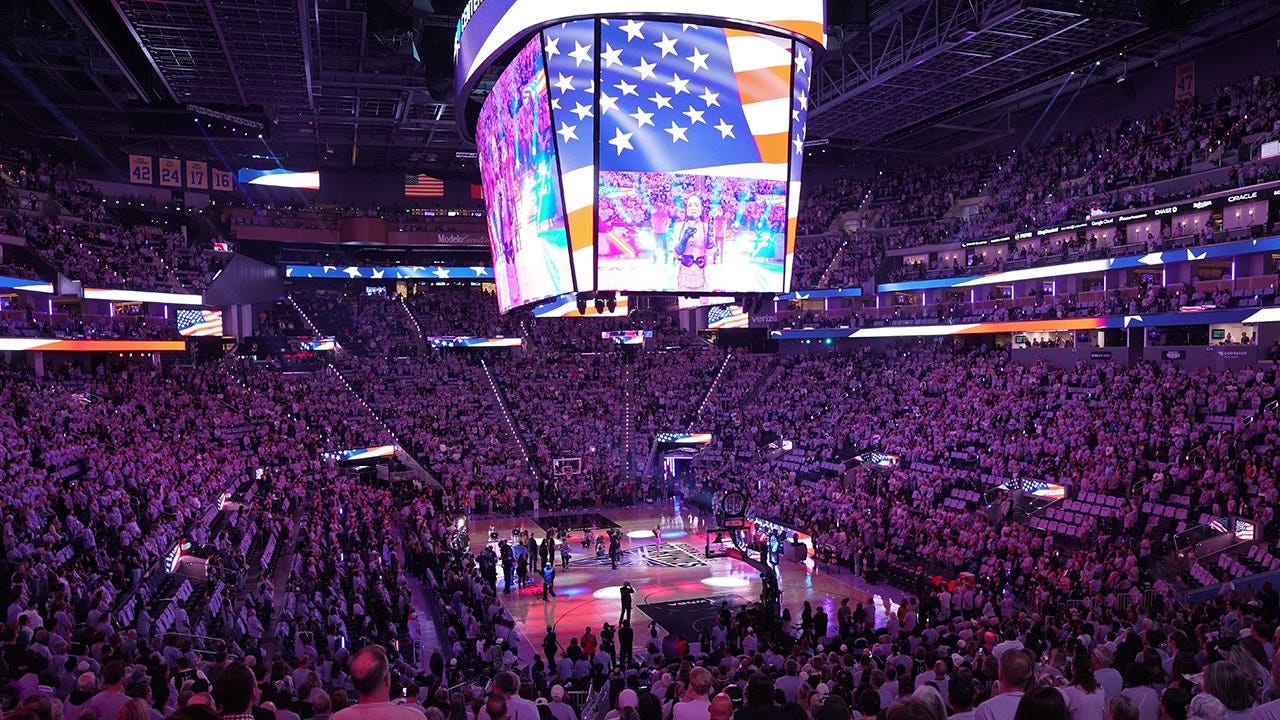
WNBA Finals anthem protest: Dream and Valkyries skip again
The WNBA Finals opened with another absence before the anthem, and the league now has a more uncomfortable question than who wins the trophy.
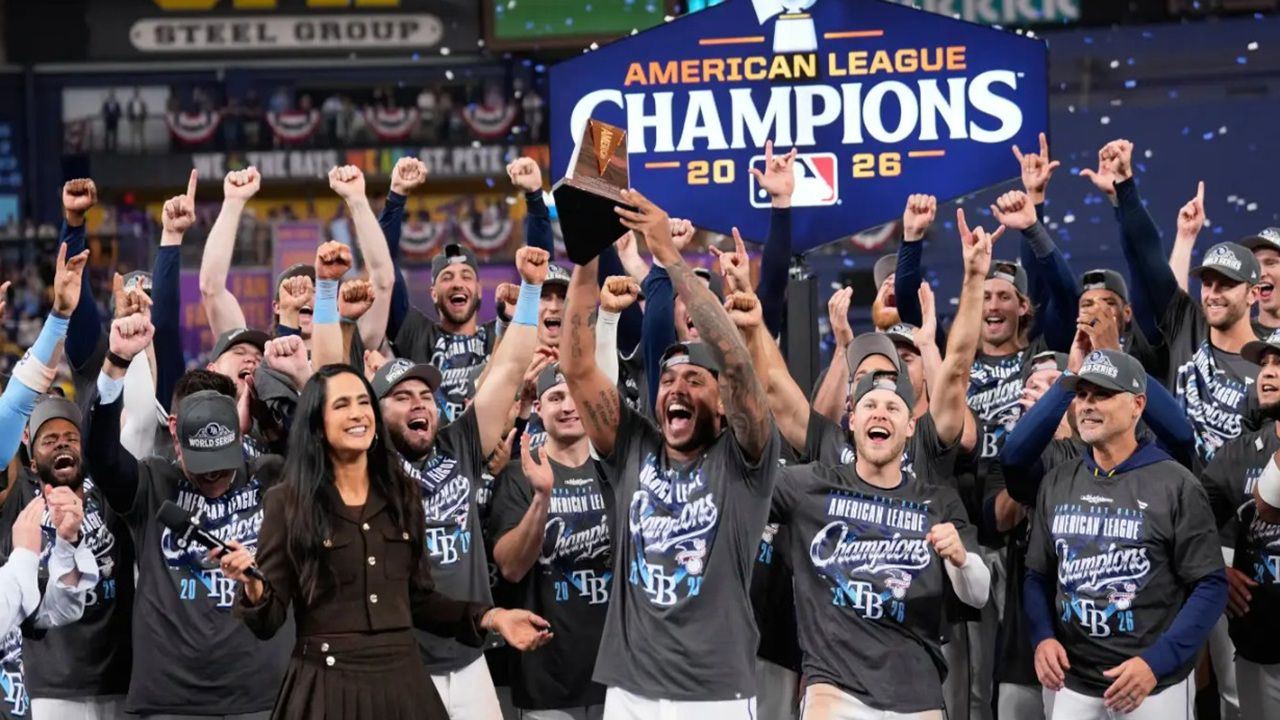
Tampa Bay Rays Pennant Win: World Series Trip Brings Big Test
Tampa Bay took care of Cleveland and grabbed the American League pennant. The [Rays](https://en.wikipedia.org/wiki/Tampa_Bay_Rays) now head into a World Series that will tell us plenty about their ner

NFL Power Rankings Week 7: Offense Is Strangling the League
Week 7 arrives with the NFL looking less like a sprint and more like a series of stalled engines. The rankings tell one story; the offensive problems tell the real one.