
WNBA Finals anthem protest: Dream and Valkyries skip again
A pregame silence that says far more than any ceremony ever could.
 Beatrice Kensington6 min read
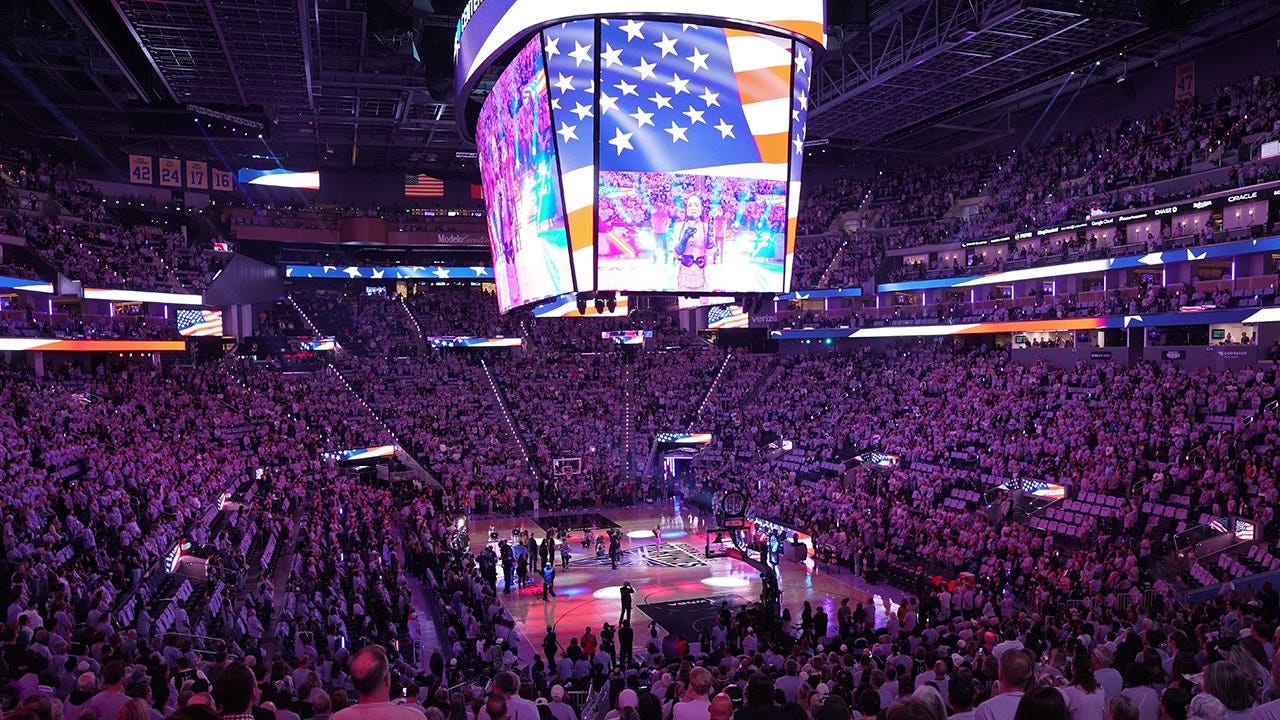
Before the lights rose fully over San Francisco and the basketball began to thrum, there was a smaller, sharper silence. The Atlanta Dream and Golden State Valkyries were once again off the floor for the national anthem before Game 2 of the WNBA Finals, repeating the same choice they made in Game 1 despite the league rulebook’s expectation that players stand in place for the ceremony. It was not a loud protest. It did not need to be. In an arena built to amplify every sound, absence can be its own kind of statement.
The final series is supposed to be about possessions, angles, defensive rotations and late-game nerve. Instead, this pregame act has become part of the Finals’ texture, a reminder that the league’s brightest stage is also a public square. The Atlanta Dream and Golden State Valkyries did not wander into controversy by accident. They chose a visible form of nonparticipation, and they did it twice. That repetition matters. One night can be waved away as a lapse, a misunderstanding, a scheduling snarl. Twice becomes a position.
A rulebook can require standing; it cannot manufacture agreement
The awkwardness here lives in the gap between written policy and lived reality. Leagues, like institutions everywhere, like tidy language. They prefer to imagine that a rule on paper settles the matter. But ceremonial compliance is not the same thing as shared belief, and sports have spent decades learning that lesson the hard way.
The anthem has long sat at the intersection of patriotism, labor, race, gender, and performance. In the women’s game, those intersections can feel especially pronounced. The WNBA has a history of players using their platform for causes that run well beyond the court, and its audience has come to expect that kind of moral friction. This is not the old era, when athletes were expected to smile, obey, and let the nation project whatever it wished onto them. These players are not decorative. They are citizens with opinions, and the league has built much of its identity around that reality.
Still, the Finals complicate everything. A championship series is not a Tuesday night in January. It is the season’s most concentrated spotlight, the moment when every gesture is enlarged and every omission is interpreted. A league can celebrate player activism and still feel the burn of a direct challenge to one of its formal expectations. Both things can be true.
The anthem may be optional in spirit, but in a Finals arena it is never just a song.
Why this choice landed louder in the championship setting
Game 2 carries a different weight than a regular-season night, because the entire sport is compressed into it. Families tune in who have not watched since June. Sponsors lean closer. League executives study every frame like accountants reading an audit. In that environment, any deliberate absence becomes a message not only to the public, but to the institution itself.
What makes this more striking is that the protest did not come from the fringe of the event. It came from the teams center-stage. There is no easier way to say it: the WNBA is trying to sell both excellence and growth, both competition and cultural relevance. Those ambitions sometimes sit together comfortably. Sometimes they grind like gears.
The league has made a lot of room for individuality, and that is part of its appeal. Fans do not merely watch for offense and defense; they watch for personality, conviction, and the sense that the players are not being sanded down into corporate sameness. But the more a league embraces voice, the more it must tolerate the sound when that voice is inconvenient. The anthem issue is not new to American sports. It is old, bruised territory, with every side carrying its own wounds and assumptions. The WNBA, perhaps more than any major league, has lived on that terrain for years.
For the final itself, the practical impact is limited. The ball will be tipped, the score will be kept, and history will record a champion, not a pregame omission. But institutionally, this is not nothing. It tests how the league enforces its own standards, and whether the pressure of its biggest stage makes those standards sturdier or softer.
The league’s real challenge is consistency, not spectacle
What the WNBA cannot afford is improvisation disguised as principle. If the rulebook says one thing and the culture of the league says another, fans will notice the contradiction before the commissioner’s office can draft a carefully worded response. That is how trust erodes: not in one dramatic rupture, but in the repeated sight of policy bending when the stakes get high enough.
Here is the part that interests me most, and perhaps irritates the neatest defenders of sports civility: leagues often ask for symbolic unity precisely when the people inside them are least united. I have written enough about American sports to know that ceremonies are rarely innocent. They are declarations about who belongs, who is expected to perform gratitude, and who gets to define the terms of respect. When players step away from that stage, they are not merely skipping a ritual. They are refusing a script.
That refusal will bother some people no matter how carefully it is framed, and it will delight others for the same reason. Both reactions are predictable. What is less predictable is how the league responds when its rulebook collides with the realities of modern athlete expression. The easiest route is silence, then selective enforcement, then institutional forgetfulness. The better route is honesty. Say what the rule means. Say why it exists. Say whether it still fits the league you want to be.
The WNBA has spent years insisting it is bigger than a sports property, that it is a civic force as well as a basketball one. Fine. Civic force is not tidy. It asks uncomfortable things of everybody involved. It asks for principles that survive contact with pressure.
What to watch before the series moves on
The next step is not about the anthem itself so much as the league’s response. If there is no consequence, then the rule may as well be ceremonial wallpaper. If there is discipline, the question becomes whether the league is punishing expression or simply enforcing a standard it says applies to all.
Either way, the Finals now carry an extra layer of tension, the kind that has little to do with matchups and everything to do with power. Players have once again reminded the sport that they are not props in the machinery of celebration. The league, in turn, must decide whether it wants the polish of unity or the discomfort of authenticity. It may not be able to have both.
The basketball will keep moving. The debate will not.
More from Straight From The Bench
Comments
Join the conversation — sign in to leave a comment.
Sign in to commentRelated Stories

Angel Reese WNBA Finals Game 2: Frustration Couldn’t Hide
Angel Reese helped power a Finals win, but the third-quarter edge showed how thin the line is between fire and friction. That clip will live longer than the box score.
Tampa Bay Rays Pennant Win: World Series Trip Brings Big Test
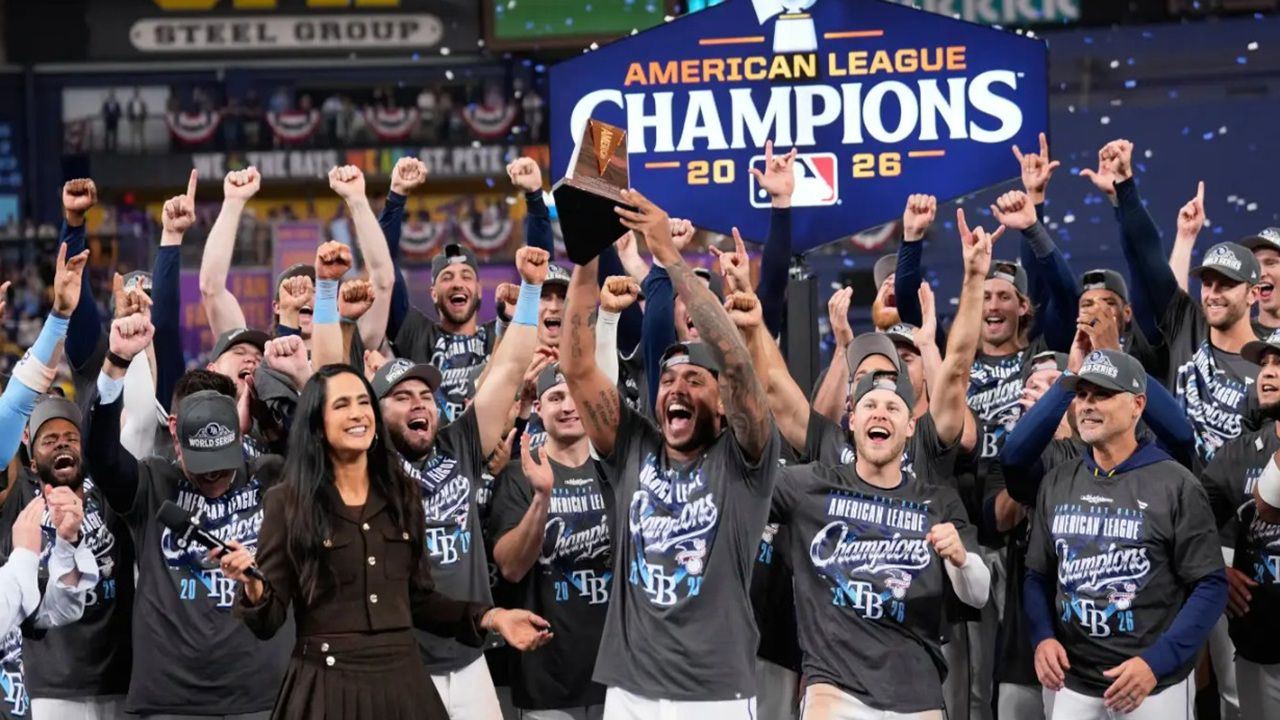
Tampa Bay took care of Cleveland and grabbed the American League pennant. The [Rays](https://en.wikipedia.org/wiki/Tampa_Bay_Rays) now head into a World Series that will tell us plenty about their ner

NFL Power Rankings Week 7: Offense Is Strangling the League
Week 7 arrives with the NFL looking less like a sprint and more like a series of stalled engines. The rankings tell one story; the offensive problems tell the real one.