
Angels Stadium Empty Seats: Anaheim Fans Send a Brutal Message
This wasn’t a matinee. It was a verdict.
 Zane Miller5 min read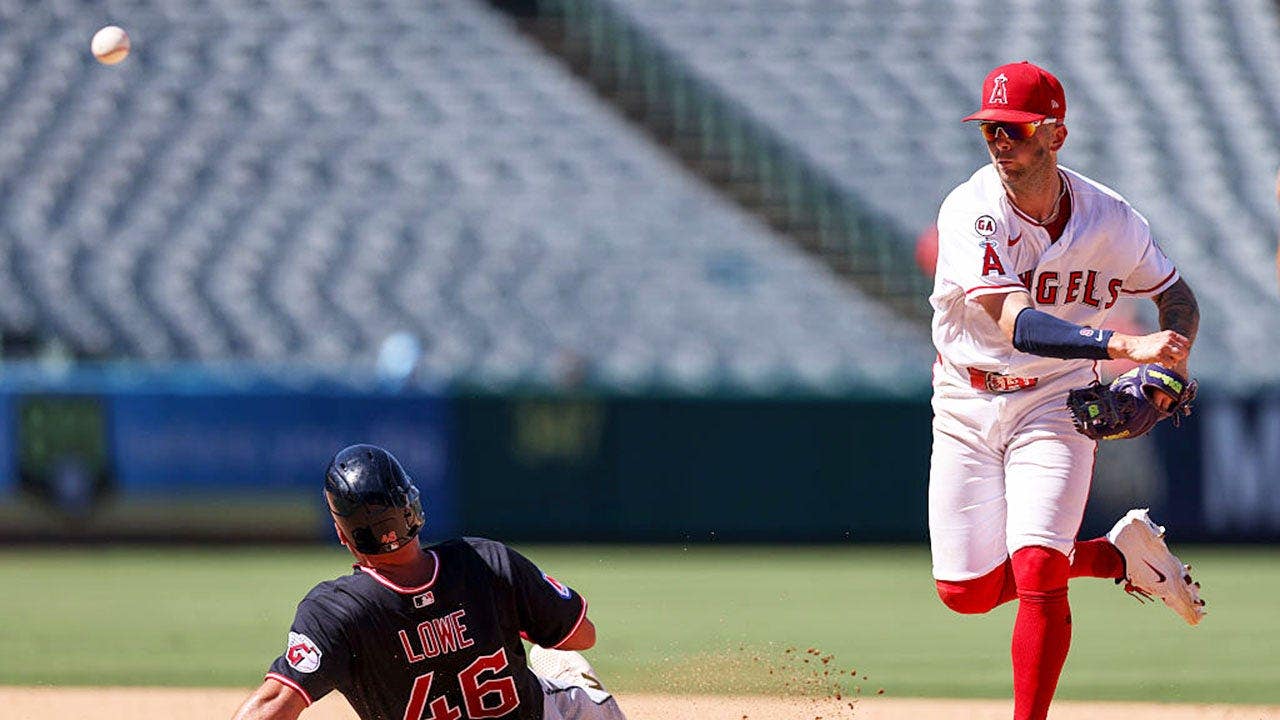
The Angels got a crowd number. They did not get a crowd.
That’s the story out of Anaheim, where the club claimed 25,161 fans for Wednesday’s matinee against the Cleveland Guardians, but the actual sightline told a harsher truth. Rows of empty seats. Dead pockets. A ballpark that looked more resigned than alive. For a franchise that keeps selling hope and keeps delivering drift, the disconnect is becoming the product.
The attendance number is one thing. The optics were worse.
This is what happens when a season stops feeling relevant in real time. Fans don’t need a press release to tell them what’s happening on the field. They can feel it in the ticket decision, the traffic, the concession line, the half-empty lower bowl, the quiet between pitches.
The Angels have spent years trying to market star power, urgency, and a fresh start. What they have right now is fatigue. And fatigue is hard to reverse because it’s not about one bad week or one injury or one blown lead. It’s cumulative. You miss enough October games, enough meaningful August runs, enough reasons to show up on a Wednesday afternoon, and the building starts voting with its feet.
The listed attendance is technically a different conversation. Every team in baseball knows the difference between tickets sold and butts in seats. But fans are not dumb, and neither is the eye test. If the camera pans and the place looks hollow, that becomes the headline no matter what the ticket scan says.
Anaheim’s silence says more than the standings do
The Los Angeles Angels have been living in this weird middle zone for years: enough recognizable names to keep hope alive, not enough sustained winning to cash it in. That’s a brutal business model in Southern California, where attention is a luxury and competition for it is relentless.
The Cleveland Guardians came in for a matinee and walked into something bigger than a regular-season game. They walked into a fan base signaling exhaustion. Not anger, necessarily. That’s almost better for ownership. Anger means people still care enough to argue. Silence means they’re drifting.
And that matters because baseball teams don’t just lose games; they lose habits. Once casual fans stop making the trip, you’re not only missing revenue in the short term. You’re breaking the routine that helps a franchise recover when things finally go right.
The Angels know this story. The league knows this story. There are franchises that can ride out a bad month because the market stays loyal. Anaheim doesn’t get that kind of charity anymore. The patience has been spent.
The bigger issue is trust, not just turnout
This is where the real damage lives. Empty seats don’t just reflect the current record. They reflect a trust deficit.
Fans can tolerate losing if they believe the organization has a real plan, a direction, a foundation. What they can’t tolerate is the feeling that the same movie keeps playing with different cast members. That’s where this gets dangerous for the Angels. If supporters have seen enough false starts, the burden shifts from the roster to the front office, and eventually to ownership.
There’s also the roster reality. When a team is buried in the standings, every home date starts to feel like a referendum on whether the current build is worth anyone’s time. It affects everything: atmosphere, leverage, trade deadline perception, even the way opposing teams walk into the park. A quiet stadium can become a symbol that bleeds into the room.
Empty seats are a business problem. Empty belief is the real emergency.
I’ve covered enough of these seasons to know the difference between a fan base that’s frustrated and one that’s checked out. Frustration still buys tickets. Checked out means the couch is winning. And once that shift happens, it doesn’t snap back just because the weather gets nicer or the promo schedule gets cute.
This is where ownership and baseball ops feel the heat
The Angels don’t get to shrug this off as a one-off Wednesday matinee problem. This is bigger than day game turnout. This is a snapshot of how far the gap has widened between what the organization says it is and what the product actually feels like.
I’ve said this for years: in markets like this, losing is survivable. Indifference is the killer. A bad team can still sell future hope. A team that looks stuck sells none of it.
That’s why the next phase matters. Not the next game. The next move.
If the Angels want the building to feel alive again, they need more than a hot streak. They need a reason for people to believe the franchise is finally building toward something coherent. That means clearer roster direction, better development, and fewer seasons that end before the second half even gets warm.
The modern fan base is ruthless because it has options. Streaming, social, cheaper alternatives, less tolerance for organizational drift. Teams can’t fake urgency anymore. The audience can smell it instantly.
And yes, this is part of the same broader baseball conversation that gets louder every year: the sport is still trying to decide how much it wants to reward permanence when the environment keeps punishing irrelevance. That’s why stories like this resonate far beyond one afternoon in Anaheim. They’re not just about attendance. They’re about identity.
The Angels now need to prove they’re still worth showing up for. Not talking about. Not posting about. Showing up for.
That’s the test. The seats will tell you whether they’re getting close.
More from Straight From The Bench
Comments
Join the conversation — sign in to leave a comment.
Sign in to commentRelated Stories
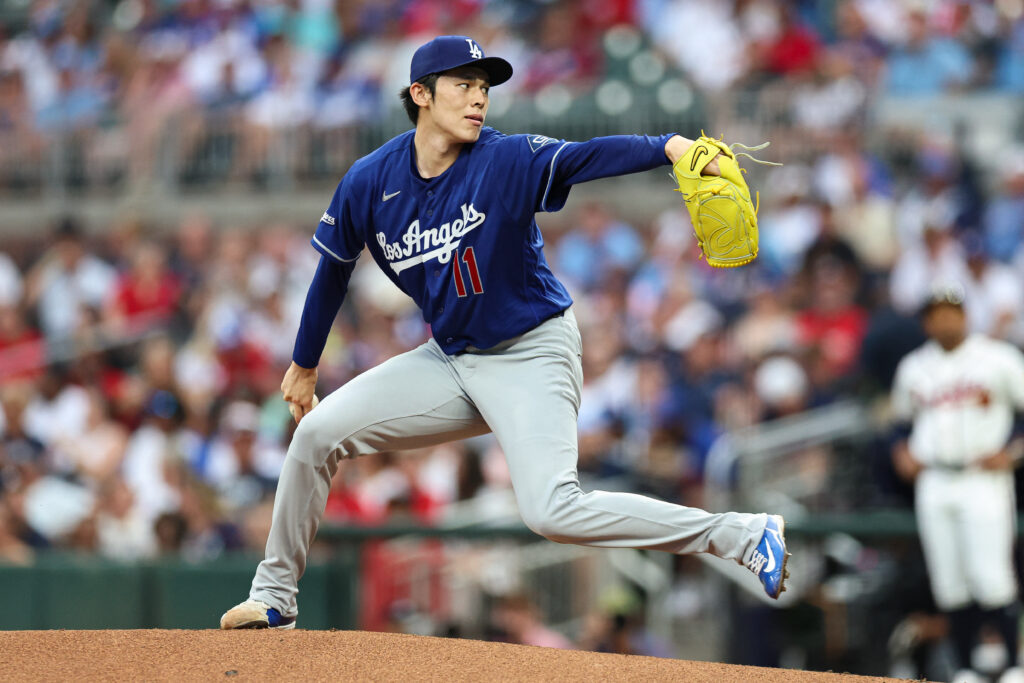
Roki Sasaki Injury Update: Dodgers Place Rookie on IL
A blister sent Roki Sasaki out early, and now the Dodgers are playing the long game with a prized arm. That’s baseball, kid: the body keeps the score.
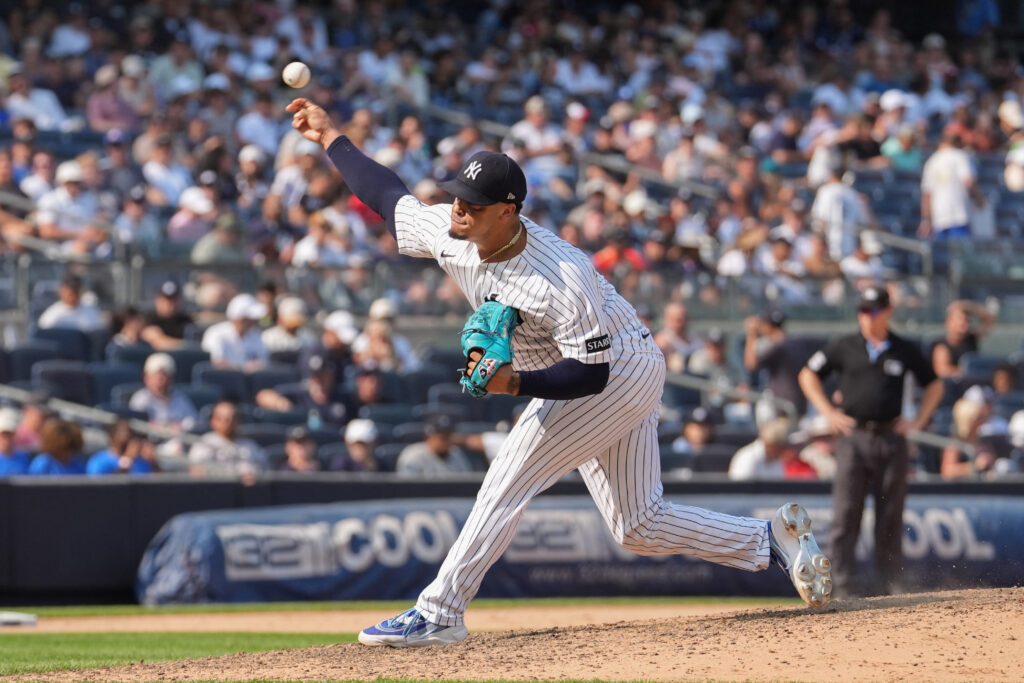
Fernando Cruz UCL Tear: Yankees Lose Their Top Setup Man
Fernando Cruz’s partial UCL tear is a brutal blow for New York, stripping the Yankees of a late-inning bridge they could least afford to lose.

MLB farm systems: the 10 best catching prospects
The best catching depth in baseball isn’t just about one elite bat. It’s about clubs building future game-planners, pitch-framers, and lineup anchors from the ground up.