
Anthony Joshua vs Tyson Fury Wembley Fight: Sadiq Khan Pushes In
London wants the megafight back on home turf. Now the promoters have a real city invitation.
 Zane Miller4 min read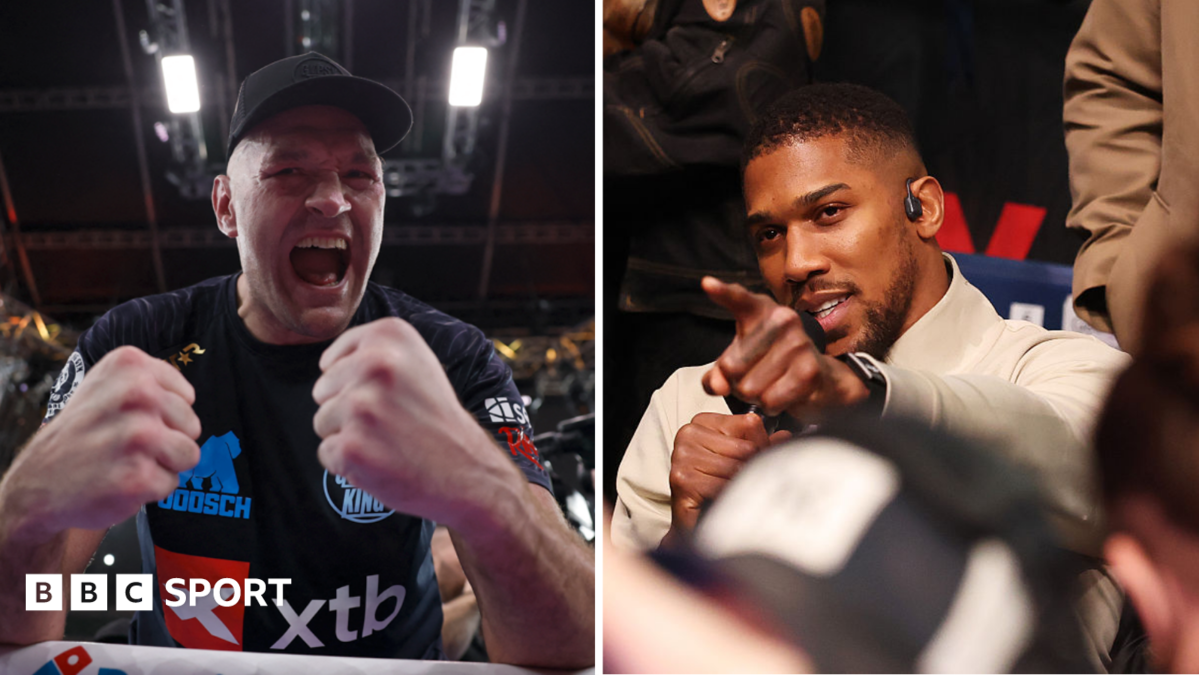
London doesn’t hand out heavyweight nights like this often, and Sadiq Khan knows it. The mayor saying he is “really keen” to host Anthony Joshua vs Tyson Fury at Wembley Stadium is not just civic fluff. It’s a shot across the bow to promoters, and a reminder that Britain still wants its biggest domestic prizefight on home soil.
This is the kind of fight that doesn’t need a sell job. It sells itself. Joshua-Fury has lived for years in the space between public demand and boxing politics, and that gap has only made the event bigger. The second a city leader publicly says, get in touch, the conversation shifts from fantasy to logistics. Site, dates, gate, broadcast partners, sanctioning bodies, all of it starts humming.
Wembley is the obvious stage — and that’s why it matters
Wembley is not just a stadium. It’s the pressure chamber. Joshua has already headlined there, and Fury has always carried himself like a fighter who belongs under the brightest roof available. Put them together at the national stadium and you get scale, noise, and a ticket market that can absorb a monster event without blinking.
That’s the key here: the economics are cleaner in London than almost anywhere else. A fight of this size needs premium seating, corporate demand, global broadcast appeal, and a city that can turn the night into an event beyond the ring. Wembley checks every box. The venue also brings a psychological edge. British fans know what that stage means, and so do fighters. There’s no hiding there.
The practical upside is obvious. If promoters are seriously weighing options, Khan just made London harder to ignore.
Joshua-Fury is still about leverage, not just punches
Boxing’s biggest fights are rarely about who says yes first. They’re about who blinks on terms, dates, split, site, and the commercial stack behind it. That’s why this story matters now. A public endorsement from the mayor doesn’t finalize anything, but it adds political pressure and a little market heat.
And make no mistake, everyone in this orbit understands leverage. Joshua brings the UK market and a huge live gate. Fury brings name value, attention, and the kind of volatile star power that drives clicks and buys even when fans pretend they’re tired of the wait. Promoters know this fight can still move numbers in a way most heavyweights simply cannot.
The biggest danger? Waiting too long and letting the market cool. Boxing has a habit of overcomplicating the obvious. When the public wants one fight and the business side starts treating it like a boardroom chess problem, momentum slips. Khan’s comments are a reminder that some events are too big to keep trapped in rumor cycles forever.
This is exactly how mega-fights begin: not with an announcement, but with someone important making it awkward to keep saying no.
Why the city pitch changes the temperature
A city leader publicly inviting the fight does two things at once. It signals support, and it gives promoters a cleaner story to sell if talks advance. That matters in boxing, where image often travels faster than paperwork. Fans don’t buy negotiation trees. They buy the idea of a stadium packed with 90,000 people and two British heavyweights walking into that kind of furnace.
There’s also a legacy angle here. Joshua-Fury isn’t just another title fight or another payday. It sits in the rare class of UK sporting occasions that can dominate conversation far beyond boxing circles. We’re talking about the kind of event that gets casual fans back in the room. You see that in other huge domestic showdowns too — Premier League nights, England finals, the lot — where location becomes part of the story, not just the backdrop.
If you’re the promoter, the mayor’s public interest is useful because it lowers the friction. You can sell the fight as a national moment, not just a private negotiation between camps. In this sport, that framing matters more than people admit.
What I’d watch next if this actually moves
Here’s my read: the venue talk is the easy part. The hard part is whether the business side wants to get aggressive enough to make Wembley the default, not merely the romantic option. That’s where boxing has failed before. The industry loves the idea of “soon” right up until “soon” becomes never.
I’ve seen this movie enough times to know the pattern. Public momentum builds, heavyweight fans start counting imaginary sellout figures, and then somebody remembers there are three wallets, two egos, and one very expensive fight to structure. Still, this one feels different because the demand has never really gone away. Joshua remains a massive ticket draw. Fury remains the division’s loudest personality. Put them in London and you don’t need to invent interest.
The bigger picture is simple: if this fight happens, it belongs at Wembley more than anywhere else. Not because it’s convenient. Because it feels like the only place in Britain big enough to carry the weight of the moment.
And if the promoters are paying attention, they should stop admiring the idea and start booking the building.
More from Straight From The Bench
Comments
Join the conversation — sign in to leave a comment.
Sign in to commentRelated Stories
UNC Football Investigation: Lombardi Resigns Amid Allegations
Michael Lombardi is out, and the UNC football probe is still chewing on ugly allegations involving staff and players. The fallout is bigger than one resignation.

Mark Sanchez Stabbing Case: Plea Deal Puts Career in Shadow
Mark Sanchez’s agreement to plead guilty turns a volatile Indianapolis incident into a permanent stain. The football chapter is long closed; the public reckoning is not.

Team USA FIBA World Cup roster: who can deliver gold?
Caitlin Clark headlines a Team USA roster with no shortage of buzz. The trick now is turning names into defense, chemistry, and a gold medal.