
Arch Manning Apology: Texas QB Faces the Cost of a Joke
In the age of AI cruelty, a laugh can linger longer than the clip.
 Beatrice Kensington6 min read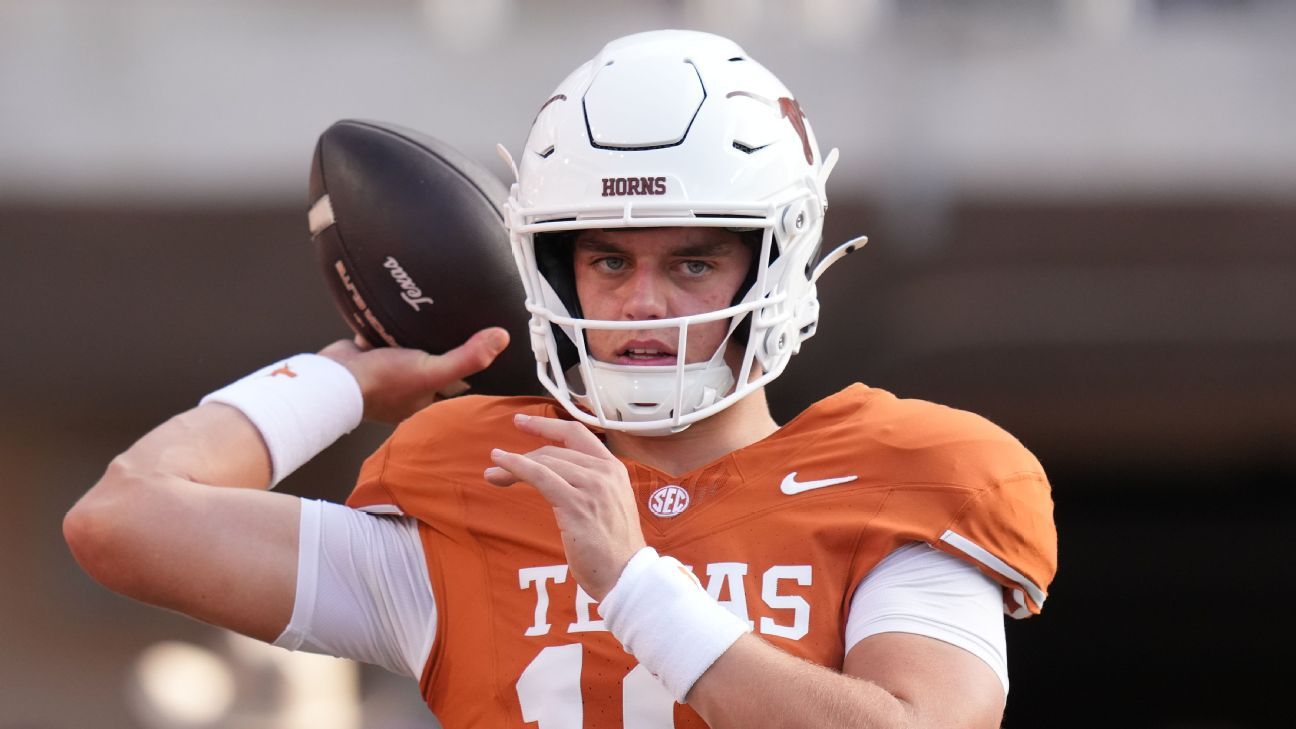
Arch Manning had to clean up a small moment that landed with a large thud, and that is the shape of modern stardom now: one careless laugh, one ill-judged remark, and the internet turns the episode into a mirror held up to a program, a family name, and a culture that still does not know how to police its own uglier impulses. The Texas quarterback apologized Tuesday for an insensitive comment tied to an AI-generated video that portrayed coach Steve Sarkisian striking ESPN sideline reporter Holly Rowe, and the apology was necessary not because a single young man is the sole architect of the moment, but because the moment itself was revealing.
Texas does not need another self-inflicted bruise. Not with the Longhorns carrying the weight of expectation that comes with the No. 1 ranking, not with Manning living under the long shadow of a surname that has always been half blessing, half burden, and not with college football already wobbling under the pressure of image, money, and performative outrage. A fake video can be dismissed as a prank by the terminally online. It was not a prank. It was a cartoon of violence aimed at a woman whose job requires her to stand near the fire and keep asking questions. Laughing at that, even briefly, tells you something about the temperature of the room.
The apology was right; the instinct behind it is the problem
Manning did what public figures are expected to do now: acknowledge the error, absorb the criticism, move on. That part is routine. What matters more is the reflex that preceded the apology, because reflexes are where character peeks through before public relations arrives to mop up the floor.
College football has always rewarded swagger, but there is a difference between confidence and callousness. The former helps a quarterback survive third-and-long. The latter corrodes a locker room. Texas coach Steve Sarkisian has spent years building a program that sells maturity as much as talent, and Manning’s mistake — even if brief, even if stupid in the ordinary way young people can be stupid — cuts against that carefully polished image. Arch Manning is not just any backup or starter or recruit. He is a walking headline. Every twitch gets amplified. Every misstep gains altitude.
That is the cross he carries, and it is also why the apology matters beyond the ordinary social-media cleanup. Texas cannot afford for its most visible player to look cavalier about violence against women, even in the grotesque counterfeit form of an AI clip. The sport has too many old habits and too many fresh wounds for that to pass as harmless.
In a sport that already turns young men into brands, indifference is never just a private mistake.
AI cruelty is the new cheap shot
What makes this episode feel so modern is not the apology, but the medium. Artificially generated video has given the worst instincts in sports fandom a cheaper costume and a slicker delivery. It can manufacture humiliation without leaving fingerprints. It can dress up malice as absurdity. And because it looks playful from a distance, it invites people to laugh first and think later.
That is exactly why the reaction matters. Violence in sports has always been part of the theater, but there has usually been a field, a whistle, a rulebook. AI strips away the boundaries. It can put a coach in a fake assault scene, put a reporter in harm’s way, and then dare everyone to call it a joke. There is nothing particularly innocent about that. The clip was not merely tasteless; it was a small rehearsal for a larger cultural failure, one in which people become more relaxed about cruelty so long as it arrives with a digital veneer.
If this feels connected to other recent skirmishes over bad behavior, that is because the common thread is accountability. From the league’s obsession with bettor threats and fan conduct to the public scrutiny surrounding how teams handle embarrassment, modern sports keep circling the same question: how much ugliness will the marketplace absorb before it insists on standards? There is a reason so many organizations now prefer swift statements over slow reflection. The silence after a moment like this is expensive.
What this means for Texas and the Manning name
Manning’s apology will likely do what apologies in these cases usually do: quiet the news cycle, at least for a day, and then become a footnote unless the quarterback stumbles again. But Texas should treat this as more than a PR detour. A quarterback at a major program is not merely an athlete; he is a civic symbol, a recruit magnet, and a daily lesson in what the team values when no one is drawing up plays.
This is where the Manning brand becomes both asset and liability. The family name evokes a certain old-school polish — the air of quarterbacks who were supposed to know better because they were raised to know better. That expectation can be unfair. It is also unavoidable. When you are Arch Manning, every mistake has a second life because people already believe they know the script. The public will not just ask whether he can throw on the move. It will ask whether he understands the moment he inhabits.
I keep thinking about how much of college sports has shifted from instruction to exposure. A player does not merely learn how to read a defense; he learns how to live inside an economy of attention that rewards the worst, fastest version of himself. If Texas is wise, this becomes a teaching moment rather than a buried embarrassment. Not because the school needs to perform moral grandeur, but because these are the habits that harden into a culture. A locker room either learns that certain lines cannot be crossed, or it learns that the apology tour is part of the weekly schedule.
And I will say this plainly: the real danger here is not that Manning laughed. It is that somebody, somewhere, thought the clip was clever enough to make, and enough people around the sport have become numb to the idea that humiliation is entertainment. That is the deeper rot.
The standard is higher now, and Texas knows it
Texas football has become a stage where every performance is measured against national expectation and local mythology. That pressure can sharpen a team. It can also hollow it out if the people closest to the program mistake attention for immunity. Manning’s apology suggests he understood the mistake quickly. Good. He needed to. But understanding after the fact is only the first rung.
The next part is harder: proving that the apology was more than a press-release reflex, proving that the program understands why the video was offensive, and proving that Texas can be the kind of place where talent does not excuse tone-deafness. If the Longhorns want to be treated like a serious standard-bearer, they will have to act like one in the small moments as much as the Saturday ones.
The ball is back in Texas’ hands now. The faster the program treats dignity as part of the playbook, the better.
More from Straight From The Bench
Comments
Join the conversation — sign in to leave a comment.
Sign in to commentRelated Stories
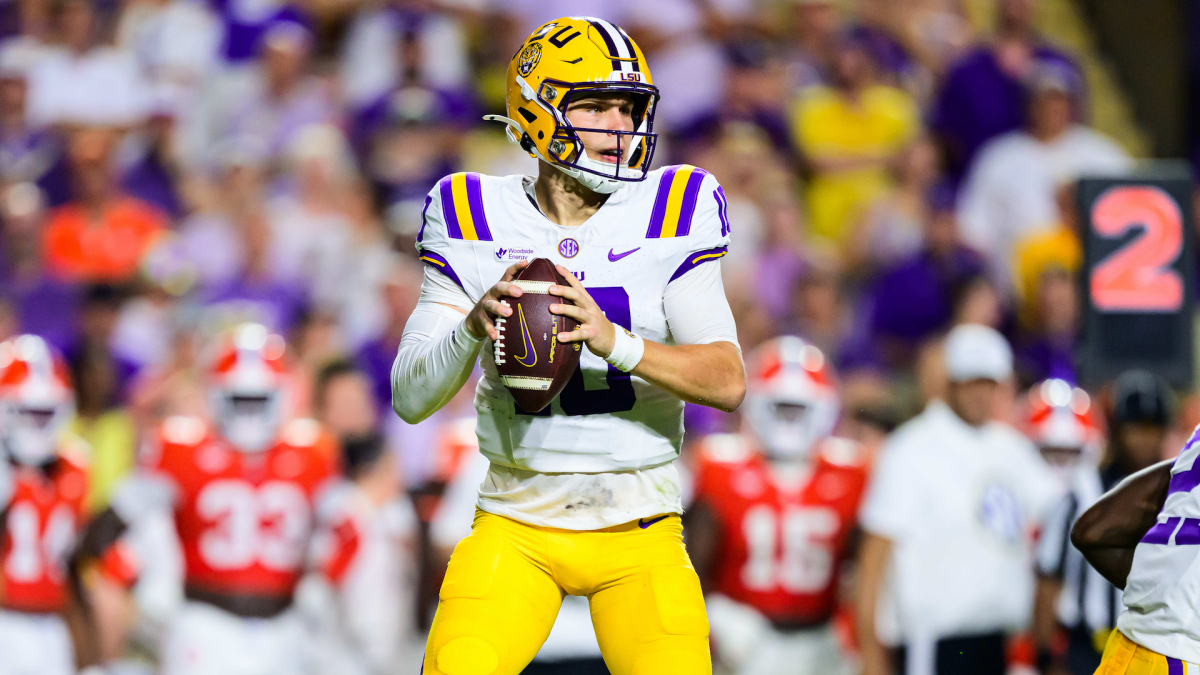
LSU Sam Leavitt Injury Update: Doubtful vs Ole Miss
LSU’s first injury report dropped a real wrinkle: Sam Leavitt is listed as doubtful with an upper body injury. That changes the math for a huge SEC stage game.
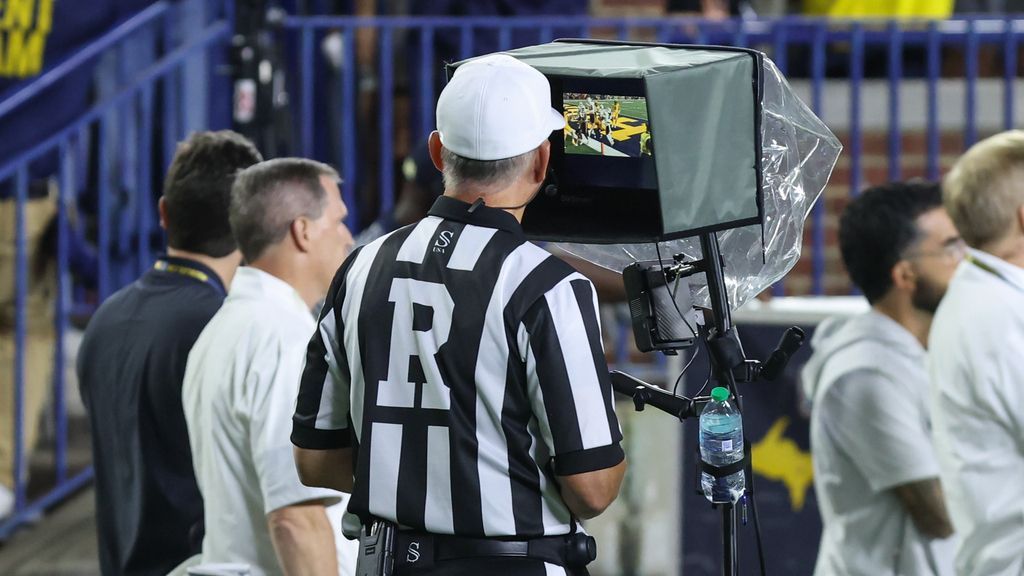
Western Michigan vs Michigan: FBS Oversight Committee Can't Overturn Loss
The NCAA says replay protocol broke down at the end of Western Michigan’s loss to Michigan, but the final whistle still cannot be uncoupled from the ledger.
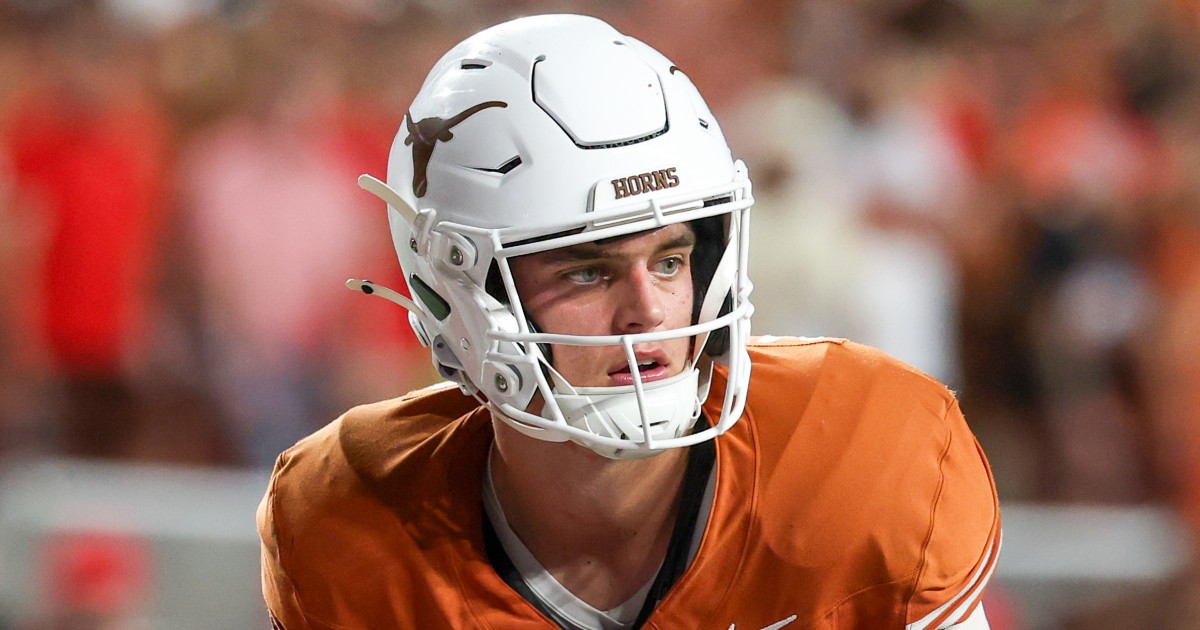
Arch Manning apology: Texas QB addresses AI video backlash
Arch Manning moved quickly to apologize after joking about an AI video involving Steve Sarkisian and Holly Rowe. At Texas, the football never stops—but neither does the fallout.