
Arizona State vs Morgan State: Fourth Quarter Cut to 10 Minutes
College football’s mercy rule by another name, and nobody should be pretending otherwise.
 Leo Lupo6 min read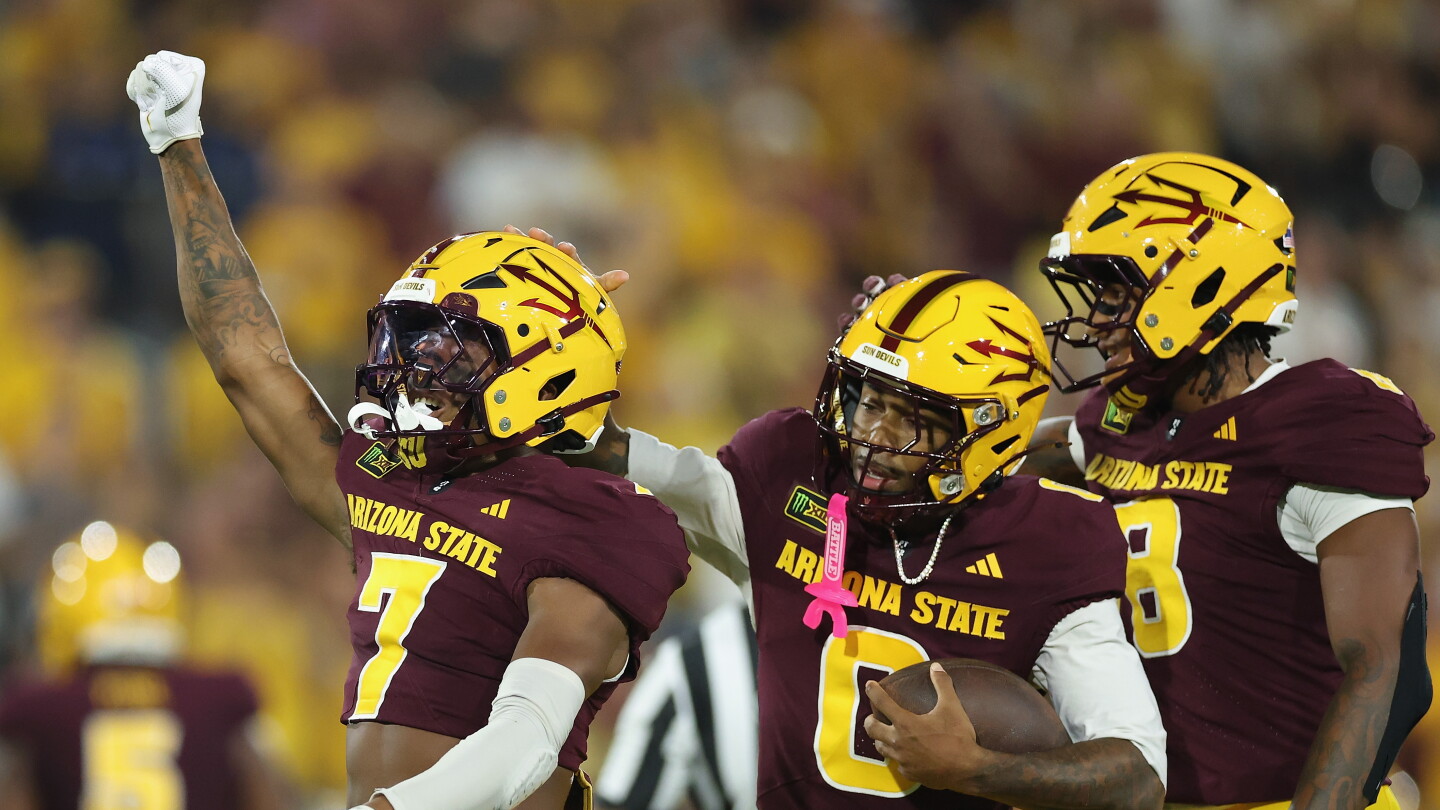
Arizona State and Morgan State did something on the same Saturday that says plenty about college football right now: they took a long, lopsided game and quietly shaved the fourth quarter down to 10 minutes. No drama. No parade. Just a practical concession to reality. When a mismatch gets that far out of hand, the only thing left to decide is how much more punishment everybody needs to sit through.
College football has always had these arrangements in the shadows. Coaches talk about “getting work in,” fans grumble about the schedule, and the scoreboard starts looking like a typo. This one just got handled with a little more honesty than usual. Arizona State didn’t need a full fourth quarter to prove anything, and Morgan State didn’t need a full fourth quarter to learn any more painful lessons. The book was already written.
A blowout with a shorter fuse
A regulation game is supposed to be 60 minutes. That’s the bargain. But football, especially early in the season, has always made room for the human side of things. The starters come out, the backups get theirs, and somewhere around the third quarter the coaching staffs start reading the room. If the gap is too wide, the last 15 minutes stop being competition and start being inventory.
This wasn’t the first time college football has bent without officially breaking. Programs manage clock rules, running clocks, and shortened periods in all sorts of ways when the point differential gets ugly enough. The difference here is that the fourth quarter got trimmed before the damage became a full-scale endurance test. That’s not a scandal. It’s common sense wearing shoulder pads.
The line between sportsmanship and surrender is thinner than the loud guys in the press box like to admit. Sometimes the classy move is just to stop pretending the audience is getting a fair fight. And no, that doesn’t mean the game is softened beyond recognition. It means people still understand the difference between competition and cruelty.
What this says about early-season football
Early September college games are strange animals. Power-conference teams schedule FCS opponents for reasons everybody knows and nobody says too loudly in public. Money changes hands. Rosters get built. Coaches get a warm-up before conference play hits like a cement truck. And the smaller program walks into the deal knowing it’s probably going to need a miracle, a weather delay, and two bad breaks from the favorite just to keep the scoreboard respectable.
Arizona State is one of the Big 12 programs trying to sharpen itself for the long haul, and Morgan State, an FCS opponent with a far different set of resources, was the kind of team expected to take a hit in a game like this. That’s the truth of the college football calendar. It’s not always fair. It’s often profitable. And once in a while it looks like this: one side trying to stay healthy, the other trying to survive with dignity.
The shortened fourth quarter matters because it exposes the part of the sport everyone treats like a footnote. These games aren’t just about points. They’re about risk. The favorite doesn’t want a twisted ankle before conference play. The underdog doesn’t want to limp out with half a roster in the training room. So the sport makes a trade. Less time, fewer reps, fewer chances for something stupid to happen.
If the scoreboard has already turned the thing into a seminar, there’s no shame in ending class early.
The real issue is the schedule, not the stopwatch
Here’s where I’ll step in and tell you the ugly little secret: the shorter fourth quarter is a symptom, not the disease. College football keeps loading up these early mismatches because the money works and the calendar is built for it. The bigger school gets a tune-up, the smaller school gets a paycheck, and everyone waves at the idea of “opportunity” like that makes the beating any prettier.
I’ve seen plenty of these over the decades, back when linemen looked like they'd been carved out of used car metal and nobody worried about “competitive balance” unless it affected bowl bids. The script hasn’t changed much. The only difference now is everybody’s a little more willing to say the quiet part out loud. If a game is over by the third quarter, then dragging it through 15 more minutes is usually about pride, ticket value, or not embarrassing the television schedule.
Sometimes shortening the fourth quarter is the most humane move in the building. I can live with that. What I can’t stomach is the stale old routine where a powerhouse runs up the score, pats itself on the back, and calls it development. Development for whom? The backups who got six snaps? The fans who paid to watch a foregone conclusion? Spare me.
If anything, this kind of adjustment should make administrators think harder about what they’re selling in these early-season games. Not every mismatch needs to be packaged as meaningful football. Some of it is just business dressed up in helmets. There’s no shame in admitting it. There’s a lot of shame in pretending otherwise.
Arizona State, Morgan State, and the business of survival
For Arizona State, the takeaway is simple: get the win, get the tape, get healthy, move on. Nobody in Tempe should be hanging banners because a fourth quarter got cut short. The value was in the work that mattered, the reps that mattered, and the clean exit.
For Morgan State, this kind of game is always about finding a few usable things in a hard night. A first down here. A solid series there. Maybe a defensive stand that gives the film room something to point to on Monday morning. That’s not glamour. That’s survival. Plenty of programs live in that world every fall.
And for the rest of us, it’s another reminder that college football is a weird old machine. Beautiful in spots, ridiculous in others, and constantly trying to convince itself that every scheduled mismatch has some noble competitive purpose. Sometimes it does. Sometimes it’s just a check, a bus ride, and a mercifully shortened fourth quarter.
The next time this happens, don’t clutch your pearls. Look at the scoreboard, look at the rosters, and understand the deal. The game didn’t lose its soul because the last 15 minutes got trimmed. The sport just admitted what everybody already knew.
Watch the schedule. That’s where this sort of thing starts, and where it’ll keep showing up.
More from Straight From The Bench
Comments
Join the conversation — sign in to leave a comment.
Sign in to commentRelated Stories
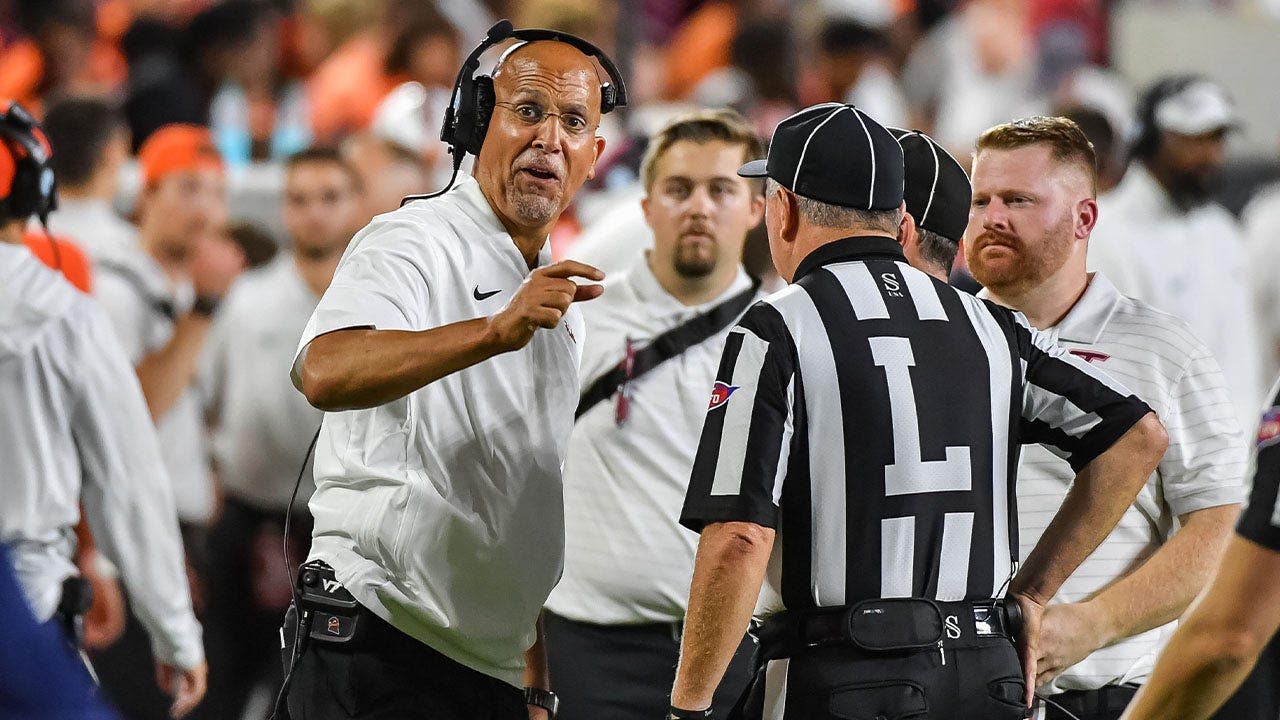
James Franklin Virginia Tech Penalty: Cadet High-Five Call Sparks Fury
James Franklin didn’t hide his reaction to Virginia Tech’s cadet-high-five penalty. The call felt bigger than one snap in a 73-3 rout, and that’s the point.

Lane Kiffin LSU Clemson Win: Halftime Quip, Big Message
Lane Kiffin’s halftime wisecrack after LSU’s rout of Clemson was equal parts swagger and warning. The real story is what it says about LSU’s ceiling.
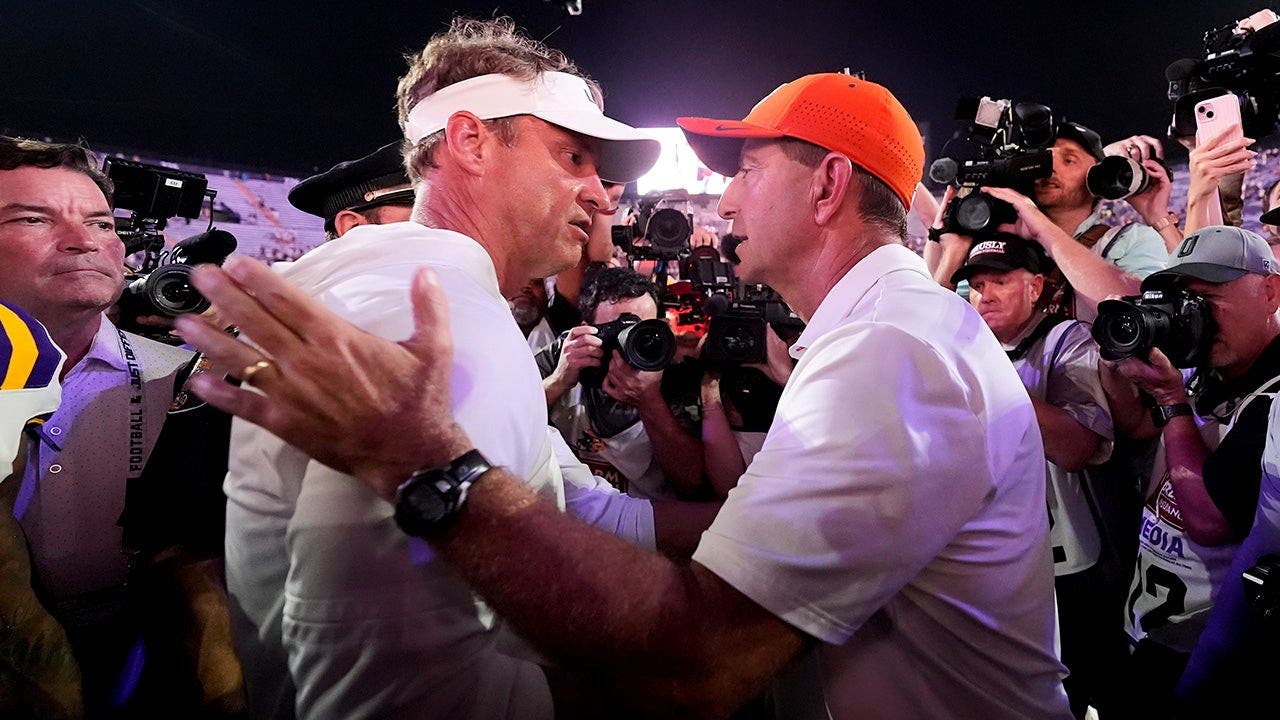
LSU vs Clemson: Lane Kiffin’s debut sends a warning
Lane Kiffin’s LSU debut came with noise, star power and a first-half hammer drop over Clemson. That was a statement, not a warm-up.