
Atlanta Dream WNBA anti-trans shirt controversy: why it matters
The league keeps getting forced to answer the same ugly question.
 Zane Miller5 min read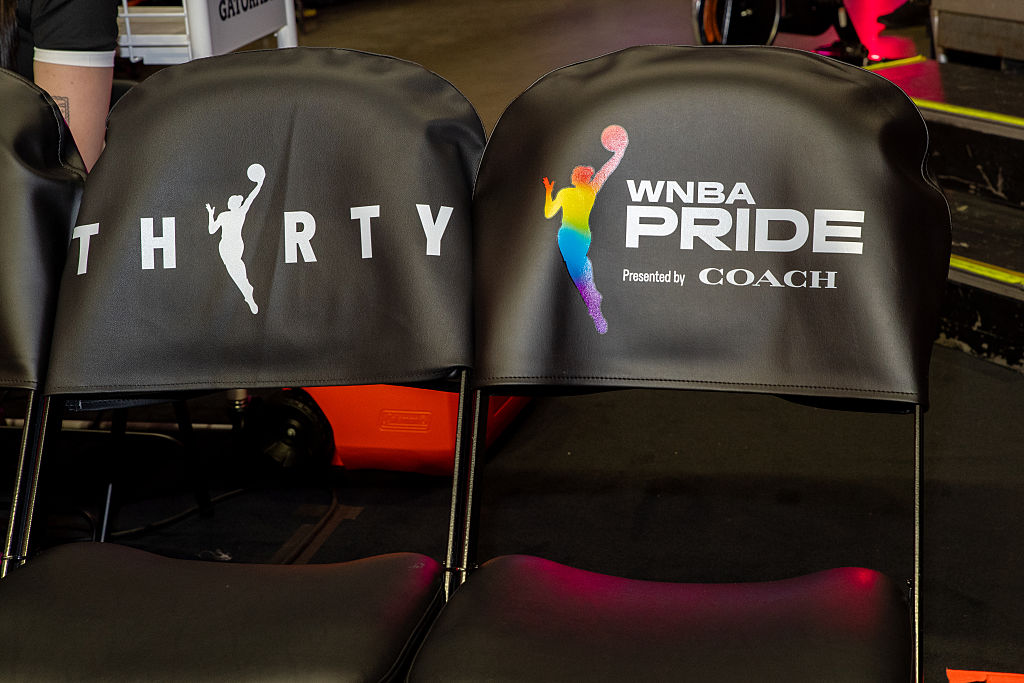
Sunday’s Indiana Fever–Atlanta Dream game came with the kind of backdrop nobody in a cleanly run league wants: transphobic fans again showing up in XX-XY shirts. Not subtle. Not accidental. Not some harmless bit of “free speech” theater either. It was a deliberate attempt to turn a basketball game into a culture-war stage, and the WNBA is now right back where too many leagues end up — dealing with the people who think a ticket buys them the right to poison the building.
The timing matters. The WNBA is in the middle of one of its most visible stretches in years, with the Fever drawing national attention and every road stop becoming part game, part event, part referendum. That kind of spotlight is great for business. It is brutal for optics when security and arena policy can’t keep pace with the attention. And these incidents are not happening in a vacuum. They land in a league that has spent years building its brand around inclusion, community and player empowerment. You don’t get to market that identity all summer and then shrug when somebody weaponizes your crowd.
The arena is part of the product now
This is where leagues like to talk tough and then get mushy in practice. They’ll fine a team after the fact. They’ll issue a statement. They’ll say the behavior “has no place” and move on like the message itself fixed anything.
It doesn’t.
What matters here is enforcement before the camera finds the stunt. If a fan walks in wearing material that targets a protected group, that is not some edge-case merchandising problem. That is a front-door security problem. The league, the team, and the arena all own it. If the building allows it, the building owns it too.
And let’s be honest: the Indiana Fever are the wrong team to drag into this mess from a basketball standpoint and the right team if you’re looking for eyeballs. That’s why this story keeps traveling. Every Fever game has become a national draw, which means every ugly sign, shirt, or chant gets amplified in a way it never would at a random Tuesday night game in a half-full arena.
The league has learned how to monetize the audience. It has not fully learned how to police the people trying to hijack it.
Why this keeps landing on the WNBA's desk
This is not just about one brand of hateful shirt. It’s about the soft underbelly every rising league eventually shows: growth outruns infrastructure.
The WNBA’s rise means bigger crowds, bigger media moments, bigger social reach — and bigger headaches when a small group decides to make itself part of the story. That’s where the league has to be sharper than the moment. The NBA spent decades learning that security is not just about fights and thrown objects; it’s about making sure the building doesn’t become a billboard for nonsense. The WNBA is now living through its own version of that lesson.
There’s also a brand issue here. The league’s value proposition is not only basketball. It is players as public figures, socially engaged fans, and a clear identity around modern sports culture. That makes the audience more loyal, but it also raises the stakes when bad actors show up trying to troll the product. If the response is weak, the whole ecosystem takes the hit: players, sponsors, broadcasters, and the arena itself.
This is why stories like the Keenan Allen Colts deal matter in a completely different sport. Teams are always managing more than the roster. They are managing trust, atmosphere, and the kind of reputation that keeps the business healthy. Same idea here. Different stakes. Way uglier execution.
If the building can’t block the message, the league is already behind.
My take: the league has to treat this as repeated conduct, not random noise
I’ve covered enough sports to know the pattern. First time, everyone says it was isolated. Second time, everyone calls it unfortunate. By the third time, it’s culture — or at least the version of culture the league is allowing to survive in public.
That’s the trap here. If this gets filed away as one more ugly Sunday at an arena, nothing changes. But if the WNBA and the Atlanta Dream decide the standard is zero tolerance, not postgame cleanup, then you force a different calculation. Fans notice. Arena staff notice. The people looking for attention notice. That’s how you start shrinking the space for this stuff instead of just reacting to it after the fact.
And yes, there’s a bigger parallel here to how pro sports handles hate when it becomes visible. Most leagues are only truly aggressive when the embarrassment is public enough to threaten the brand. That’s the cynical version. The smarter version is simpler: protect the players, protect the crowd, and stop handing trolls a microphone with a souvenir stand attached.
The WNBA has earned the right to be taken seriously on the floor. Now it needs the off-court standards to match the product.
What to watch next in Atlanta
The next move is not about one statement from the league office. It’s about whether Atlanta tightens entry rules, whether the arena backs staff when they flag obvious provocations, and whether the WNBA makes consequences visible enough to matter.
Because if the same stunt keeps slipping through, it stops being a fan issue and starts looking like permission.
And the league can’t afford that.
More from Straight From The Bench
Comments
Join the conversation — sign in to leave a comment.
Sign in to commentRelated Stories

Little League World Series 2026 Teams: Williamsport Bracket Set
The 2026 Williamsport bracket is set, and the field is packed with usual suspects, surprise entrants, and a few teams built to make noise. In Little League, one hot week can turn a neighborhood into b
Mavericks and Stars Legal Settlement: Dallas Sports Truce
The Mavericks and Stars have patched over a legal fight that exposed how fragile shared turf can be. In Dallas, peace in the building may matter as much as anything on the scoreboard.
.png?w=1120&h=630)
Little League World Series 2026 Bracket: Dates, Teams, TV Schedule
The road back to Williamsport is set, and the 2026 Little League World Series will again turn August into a month-long pressure cooker. ESPN, ABC and the whole country get a front-row seat.