
Australia’s T20 crown tour keeps rolling, and England are left staring at the gap
 Zane Miller4 min read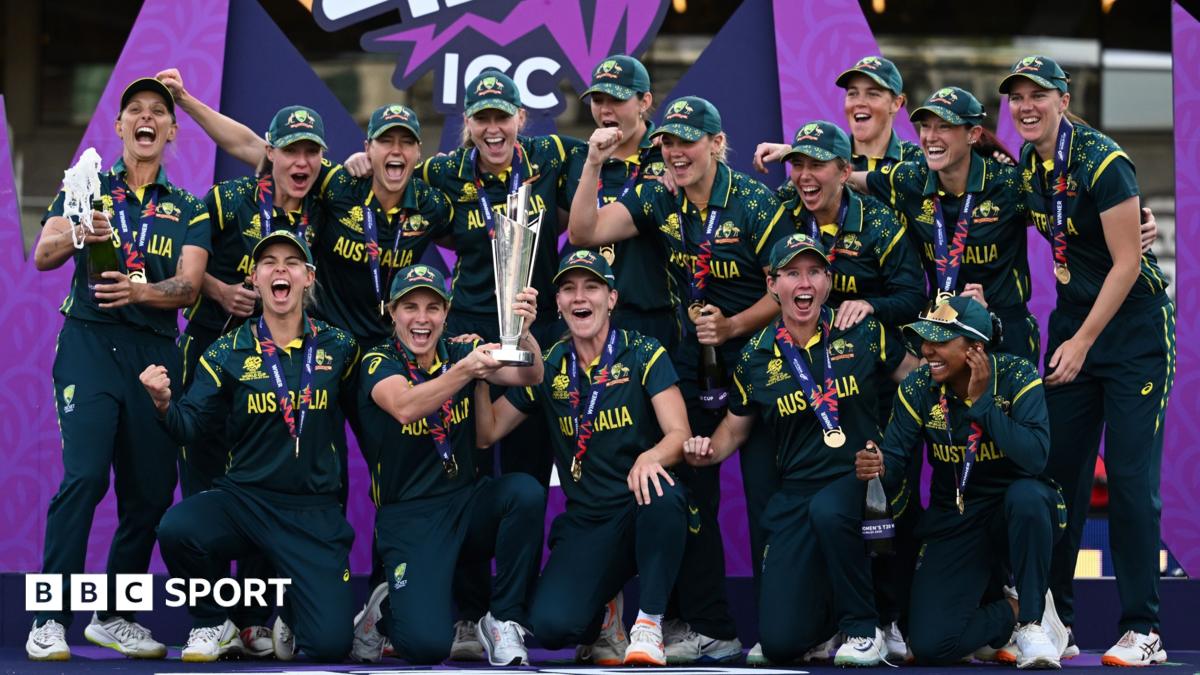
At Lord’s, the old red brick and all that history felt like scenery for a simple modern truth: Australia remain the hardest team in women’s T20 cricket to shake. A seven-wicket win over England in the T20 World Cup final was not just a title defense, it was a reminder that this side knows exactly how to win on the biggest day, and usually does it without drama.
England were not blown away by brute force. They were suffocated by timing, patience, and a batting order that never really let the final become a final. That is the mark of a champion team. Australia did not need a miracle over. They did not need a collapse to chase. They just kept the game on a leash until it was over.
Australia’s grip on the small-margin game
The scoreline says seven wickets, 17.1 overs, comfortable. The deeper story is control. Australia have made a habit of arriving at major knockout games with their nerve endings already settled. That matters in T20 because the format rewards panic. One poor over, one misread pitch, one bad matchup, and the whole thing tilts.
Instead, Australia took England’s 150-4 and treated it like a manageable chase. That is not just depth; that is structure. Beth Mooney’s 64 off 49 was the sort of innings that seems almost unfussy while doing the real damage. A final needs one batter to absorb pressure and another to keep the run rate honest. Mooney did the first job with the calm of a player who has done this before, and Phoebe Litchfield finished the rest with 48 not out, a reminder that Australia are not merely experienced, they keep refreshing the battery.
This is the part England will hate most. Australia did not need to unleash their most chaotic version. They won with efficiency. No white-knuckle chase. No late theft. Just clean, professional cricket.
England had a platform, but not enough punch
England’s 150-4 was not embarrassing. It was just short of threatening for a side that needed one innings to bend the final to its will. Nat Sciver-Brunt’s unbeaten 58 was the backbone, and Danni Wyatt-Kemp’s 44 gave the score some shape. Yet the innings never found the burst that turns decent into dangerous.
That is where finals are often decided. England can point to useful contributions and a respectable total, but respectable is not the currency in a World Cup final. Australia know that. They live there.
The challenge for England is familiar, and painful: they often have enough talent to stay in the contest without producing the one sustained surge that forces Australia out of their comfort zone. In a final at Lord's, with the weight of expectation and the shine of a world title on the line, that gap feels bigger. England did not bat badly. They just did not bat like a side ready to take a trophy away from a dynasty.
Australia don’t just win finals. They make other teams feel like they’re always batting first, even when they’re not.
What this title says about the hierarchy in women’s cricket
Seven T20 World Cup titles is not a trophy count anymore; it’s a statement about standards. Australia have turned women’s white-ball cricket into a system where the succession plan is almost as impressive as the stars. Players come and go, but the habits stay. The fielding stays sharp. The batting stays deep. The team never seems to arrive underprepared for the exact demands of the moment.
That’s the difference between a good national side and a relentless one. England, by contrast, keep circling the same question: can they turn closeness into control? Can they stop being the team that plays well for stretches and start being the team that closes the door?
A final like this also shifts the conversation around who sets the tactical tone in the women’s game. Australia still do. Other teams may have matching talent in pockets, maybe even better power in certain roles, but Australia keep beating opponents in the boring places — fielding standards, running between the wickets, match awareness, the small stuff that wins tournaments.
England must answer with more than regret
The immediate reaction in England will be frustration, and fair enough. Losing a final at Lord’s stings harder than most. But the next step matters more than the post-match soreness. England need to decide whether they are building a team capable of denting Australia, or just a team that can make finals interesting.
Sciver-Brunt’s resistance is a positive to carry forward. So is the fact that there was some resistance at all. But finals expose a ceiling quickly. If England want to close this gap, they need more than one or two dependable bats and a decent total. They need a middle order that can accelerate without waiting for permission, and a bowling plan that can force Australia into uncomfortable scoring patterns before the chase gets settled.
Australia, meanwhile, will move on with the familiar look of a side that has turned success into routine. That is the dangerous thing about dynasties: they make dominance look ordinary.
The rest of the field now has a fresh target on the wall. Australia are still standing there. Everyone else has to start throwing better darts.
Comments
Join the conversation — sign in to leave a comment.
Sign in to commentRelated Stories

Visma’s Barcelona blast sent an early Tour warning nobody can ignore
The Tour’s team time trial came back with a bang in Barcelona, and Visma-Lease a Bike turned the opener into a statement. Jonas Vingegaard already looks like a man in charge.

England in Mexico City Gives This Round of 16 Its Sharpest Edge
England’s trip to Mexico City is the kind of knockout-stage matchup that can tilt the whole bracket. The altitude, the crowd, and the pressure all sit on the same side of the ledger.

Naomi Osaka didn’t just beat Aryna Sabalenka — she looked like she belonged here all over again
Osaka’s Wimbledon win over Sabalenka felt bigger than an upset. It looked like a champion finding her old gears on grass.