
Azzi Fudd WNBA 3-Point Contest Win: Rookie History Made
The rookie tag just became a problem for everyone else.
 Zane Miller5 min read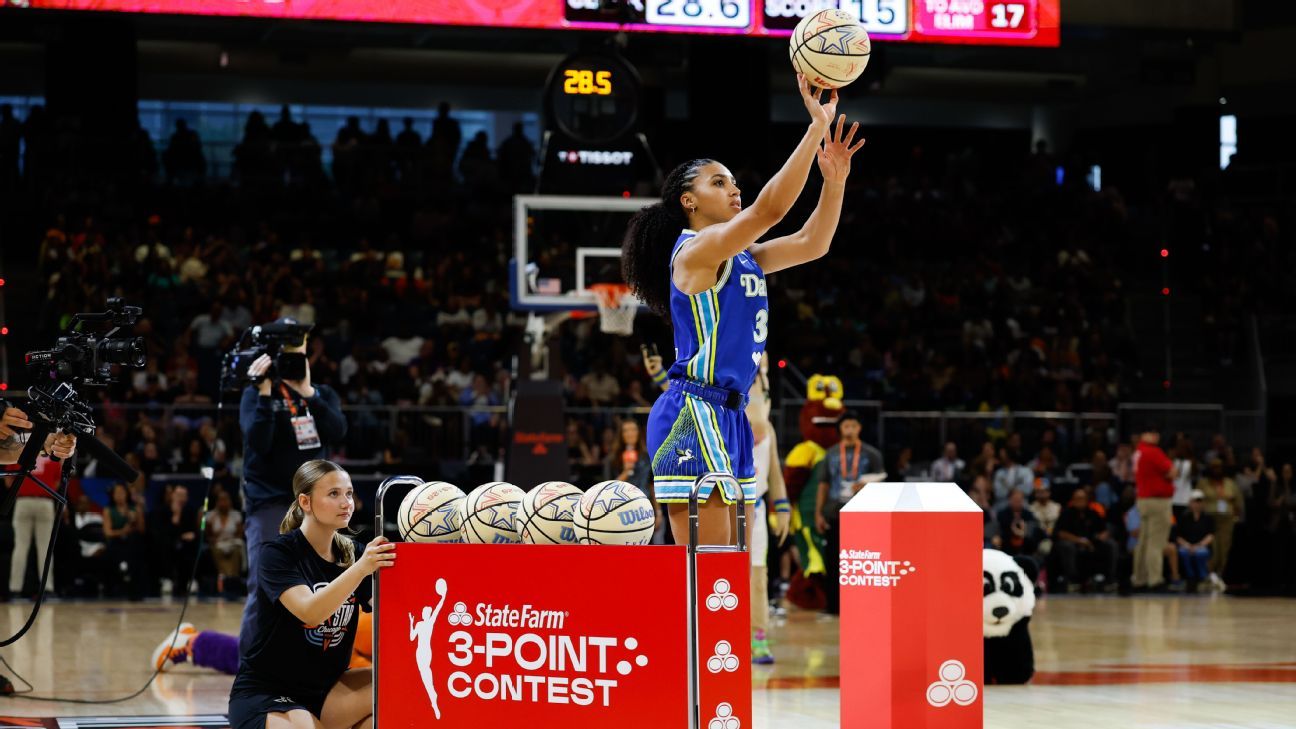
Azzi Fudd just took the cleanest trophy of All-Star weekend
Azzi Fudd walked into Chicago and left with a line in the record book nobody else in the WNBA can touch yet. First rookie to win the league’s 3-point contest. That matters, even in a weekend built for highlights and flash, because shooting is the one skill that translates immediately and without excuses. No adjustment period. No “wait until Year 3.” The ball goes in or it doesn’t.
Fudd, the Dallas Wings guard and 2026 No. 1 pick, outlasted Bridget Carleton of the Fire and did it with the kind of poise that tends to age well. Contests are weird little pressure cookers. The release has to stay quiet, the feet have to stay set, and the whole arena turns into a metronome. She handled it like she’s been doing this for years.
That’s the part front offices always notice first. Not the trophy. The steadiness.
Rookie shooters usually show you one thing. Fudd showed the whole package
A lot of young perimeter players can fill it up in practice and then shrink once the lights get mean. Fudd didn’t. She looked comfortable in a setting where rhythm gets broken by cameras, crowd noise, and the “everyone is watching” tax that comes with All-Star weekend.
And make no mistake, this is more than a nice Friday-night note for the league office. The WNBA is deep into a run where spacing, pace, and shot-making define roster value. When a rookie walks in and wins a 3-point contest, it doesn’t just create a viral clip. It forces coaches to think differently about how quickly they can trust her in lineups, how much gravity she already has, and whether opponents can afford to cheat off her at all.
The WNBA All-Star Game has always been the league’s cleanest showcase for skill. This year, Fudd grabbed the cleanest skill competition and made it look almost casual. That’s not nothing.
The rookie label lasts about five minutes if you can shoot like that.
What this means for the Wings’ offensive math
Dallas didn’t draft Fudd for ceremonial value. They drafted her because efficient shooting changes everything around the edges of a roster. One elite spacer can make a bad possession salvageable. Two can make a good offense hard to scheme against. And when a guard can win a league-wide shooting event before she’s even gotten comfortable with the pro grind, the ceiling starts to look less theoretical.
This is where the Dallas Wings get interesting. They’ve spent years chasing stability on the perimeter, and now they may have a player who bends defenses before she fully settles into the league. That’s the kind of asset every team wants because it scales. It travels. It survives cold stretches. Even when the shots aren’t falling, the reputation stays in the scouting report.
I’ll say it plain: shooting awards don’t predict superstardom by themselves, but they do tell you who can live with the pressure of expectation. And pressure is the currency in this league. The wings, the guards, the young volume shooters — they all get tested in the same way. Fudd passed one of the easiest-looking, hardest-to-fake tests there is.
Carleton pushed, but the bigger story is the rookie breakthrough
Bridget Carleton didn’t lose some random midweek gimmick. She made this a real competition. That matters because these events only mean anything when somebody is actually pressing. If the field is weak, the title is fluff. If the finalist on the other side can shoot too, then the winner earned it the hard way.
Fudd’s edge also lands in a season where the league keeps expanding its perimeter talent pool. That changes how teams build. More guards can shoot. More forwards are stretching. More offenses are built around creating one extra pass to the corner. So when a rookie steps in and wins immediately, it doesn’t just speak to her confidence. It says the developmental curve might be shorter than a lot of executives hoped.
And yes, the rookie piece is the headline. First one ever. That’s not a side note. That’s the hook that travels. Fans remember firsts, especially when they feel earned.
The part I’m watching next
I’ve covered enough of these breakout moments to know the league usually has a second act waiting. The contest win gets the buzz. The real test comes when opposing coaches start treating Fudd like a problem on purpose. Bigger closeouts. Harder chases. More switching. Less room to breathe.
That’s where we find out if the shot is just pretty or if it changes possessions.
My read? This is one of those early-career markers that sticks. Not because a 3-point contest defines a player, but because it reveals the kind of confidence stars carry before everyone else catches up. I’ve seen teams fall in love with raw athleticism and size, then spend years trying to manufacture the spacing that one natural shooter can provide on day one. Fudd is the opposite of a project. She’s the kind of player who makes a roster cleaner immediately.
And in a league where every playoff possession gets smaller and louder, that kind of clean is premium.
For Dallas, this is the first real public proof that their No. 1 pick can handle center stage. For everyone else, it’s a warning shot. The rookie just won the shot-making event, and she looked perfectly at home doing it. Keep an eye on how defenses respond from here. That’s where the real story starts.
More from Straight From The Bench
Comments
Join the conversation — sign in to leave a comment.
Sign in to commentRelated Stories
LeBron James 76ers Signing: Last Decision Changes Everything
LeBron James says Philadelphia is his last stop and maybe his last swing at the throne. For the Sixers, it’s a loud bet with a short fuse and a giant shadow.

LeBron James Trump Comments: Racism Claim Deepens Old Rift
Trump’s latest jab at LeBron James says less about basketball than about the country’s appetite for turning its icons into targets. The Lakers star keeps carrying the weight of that collision.

LeBron James 76ers Signing: The Last Decision, Explained
LeBron James has chosen Philadelphia, leaving Cleveland, Miami, Golden State and Minnesota behind. The move lands like a thunderclap—and raises the stakes everywhere.