
Bahrain Grand Prix in Malaysia driver rankings: Sepang chaos sorted
Wet tyres, software gremlins and safety cars turned this into a pure driver audit.
 Zane Miller5 min read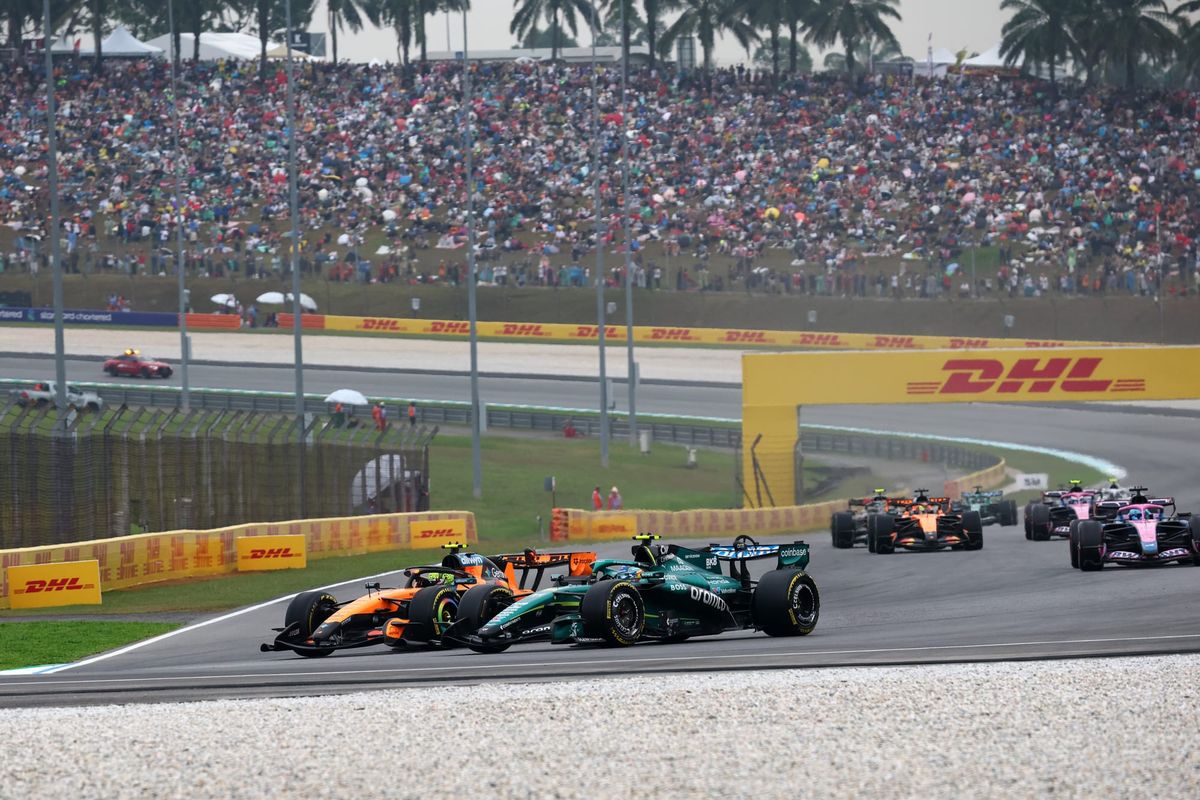
The Bahrain Grand Prix in Malaysia at Sepang International Circuit did what the best messy races always do: it ripped up the spreadsheet and forced a proper driver audit. Wet weather. Tyre roulette. A software bug in the mix. Safety cars stacking the field, then resetting it again. If you were looking for a clean read on raw pace, this was the wrong afternoon. If you wanted to see who could think, adapt and survive, Sepang handed out a very useful report card.
That’s the real value of a race like this. The final order matters less than the shape of the performance underneath it. In chaos, some drivers fade because the race stops matching the simulator. Others get better because the variables start rewarding feel, judgment and nerve. That split is what makes rankings after a day like this more than just vibes. It tells you who was protected by circumstance and who actually carried the load.
Wet track, wrong tyres, real damage
This is the part fans sometimes miss. A slippery track does not just create mistakes. It changes the entire decision tree.
Tyre choice suddenly becomes a bet on timing, not just speed. A driver who nails the switch can jump five places without necessarily being faster than the car ahead. A driver who gets caught on the wrong compound looks ordinary for 20 minutes and then gets buried by the result. That is why a race like this needs a sharper lens than your average Sunday.
The Formula 1 field has spent years pretending that data can solve everything. Then Sepang arrives and reminds everybody that the best drivers still live in the gray areas. Grip levels change corner to corner. The surface evolves. The rain hangs over strategy like a threat. And once you get a safety car, all the tidy plans go straight into the bin.
Software bug chaos exposed the difference between drivers
The software issue is the most modern part of this whole thing, and in a weird way it may be the most revealing. Hardware and strategy are visible. Software chaos is uglier because it can warp a race without looking dramatic from the grandstand.
That’s where the real judgment comes in. Some drivers can keep their rhythm when the car starts speaking in code. Others lose patience fast. The ones who stayed disciplined, kept their inputs clean and managed the race instead of chasing it probably got a better finish than the stopwatch alone would suggest.
Sepang didn’t just reward pace. It exposed who could think when the race stopped making sense.
That’s why driver rankings after this kind of Grand Prix are never just about the podium or the points haul. They’re about control. About whether a driver could limit damage when the race got weird. About who was making their own luck and who was waiting for the field to come back to them.
Safety cars made clean data impossible
Safety cars are a gift and a trap. They erase gaps, scramble tire windows and make one restart look like brilliance and the next look like panic. For evaluators, they’re a headache. For drivers, they’re a stress test.
The restart is where the race often tells on people. Do you react or anticipate? Do you protect the tire or attack the launch? Do you force the issue into Turn 1 or keep the bigger picture in mind? On a day like this, the answers matter more than a lap-time chart.
This is why rankings from the chaos have to be contextual. A driver finishing higher because a safety car clipped the race at exactly the right time may still have had a weaker afternoon than someone who clawed back from a bad call and kept the car alive. The race only looks random if you ignore the decisions underneath it.
My read: this is where elite drivers separate themselves
I’ve been around enough F1 weekends to know the sport loves pretending every race is a clean referendum. It isn’t. The best drivers are usually the ones who can survive the weekends that don’t hand out perfect conditions. That’s the old truth, from the turbo era to now: the great ones don’t just win fast races. They salvage ugly ones.
And that’s what makes a messy Sepang field so useful. It strips away some of the car dependency and some of the shiny narrative layering. You get a better read on racecraft. On adaptability. On whether a driver can keep the season on the rails when the circuit turns hostile. In the championship picture, those are the points that usually age well.
If I’m an executive, I’m watching how the top drivers handled the uncertainty more than where they ended up. That’s the information that travels. Not the pretty lap. The recovery lap. The disciplined call. The restart with no panic in the hands.
What this means for the next round of rankings
Expect the ranking conversation to tilt toward process, not just result. If a driver maximized a bad hand, they deserve credit. If they looked fast only when the race settled down, that matters too. This kind of Grand Prix tends to reshuffle reputations because it gives you a cleaner look at composure.
And if you want the broader context, this is exactly why recent races like 49ers vs Broncos: San Francisco moves to 4-0 behind Purdy in another sport get treated differently depending on circumstance. The result is only half the story. The condition of the contest is the other half.
Sepang was messy, yes. But it was also clarifying. The next rankings should reflect that. The drivers who stayed sharp in the rain, survived the software headache and handled the safety-car chaos are the ones worth trusting when the season gets tighter.
More from Straight From The Bench
Comments
Join the conversation — sign in to leave a comment.
Sign in to commentRelated Stories
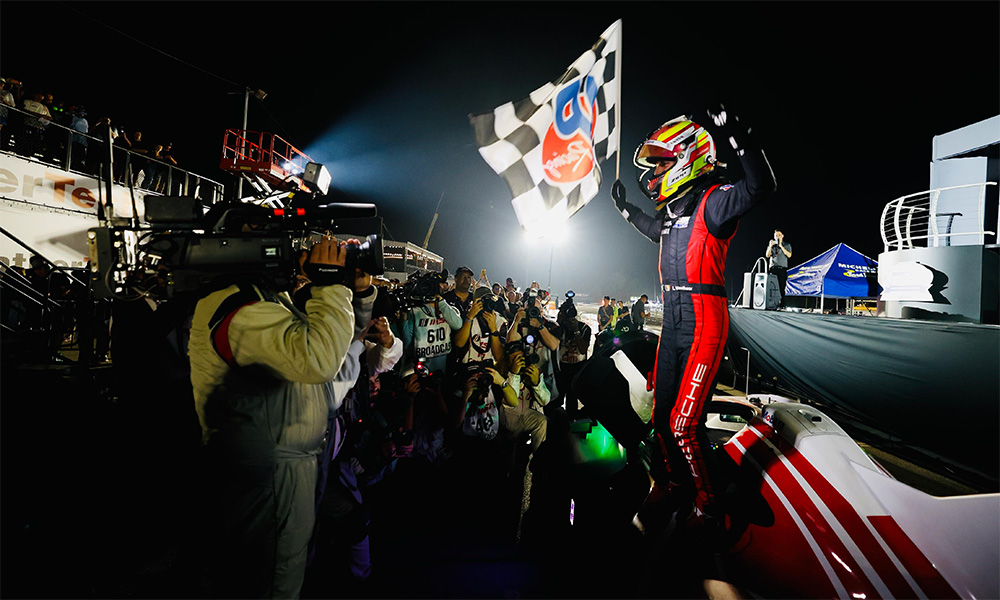
Petit Le Mans: Vanthoor Delivers First Penske Overall Win
Laurens Vanthoor survived the wreckage and the yellow flags to put Porsche Penske on top at Petit Le Mans. In a ten-hour grinder, steadiness beat spectacle.
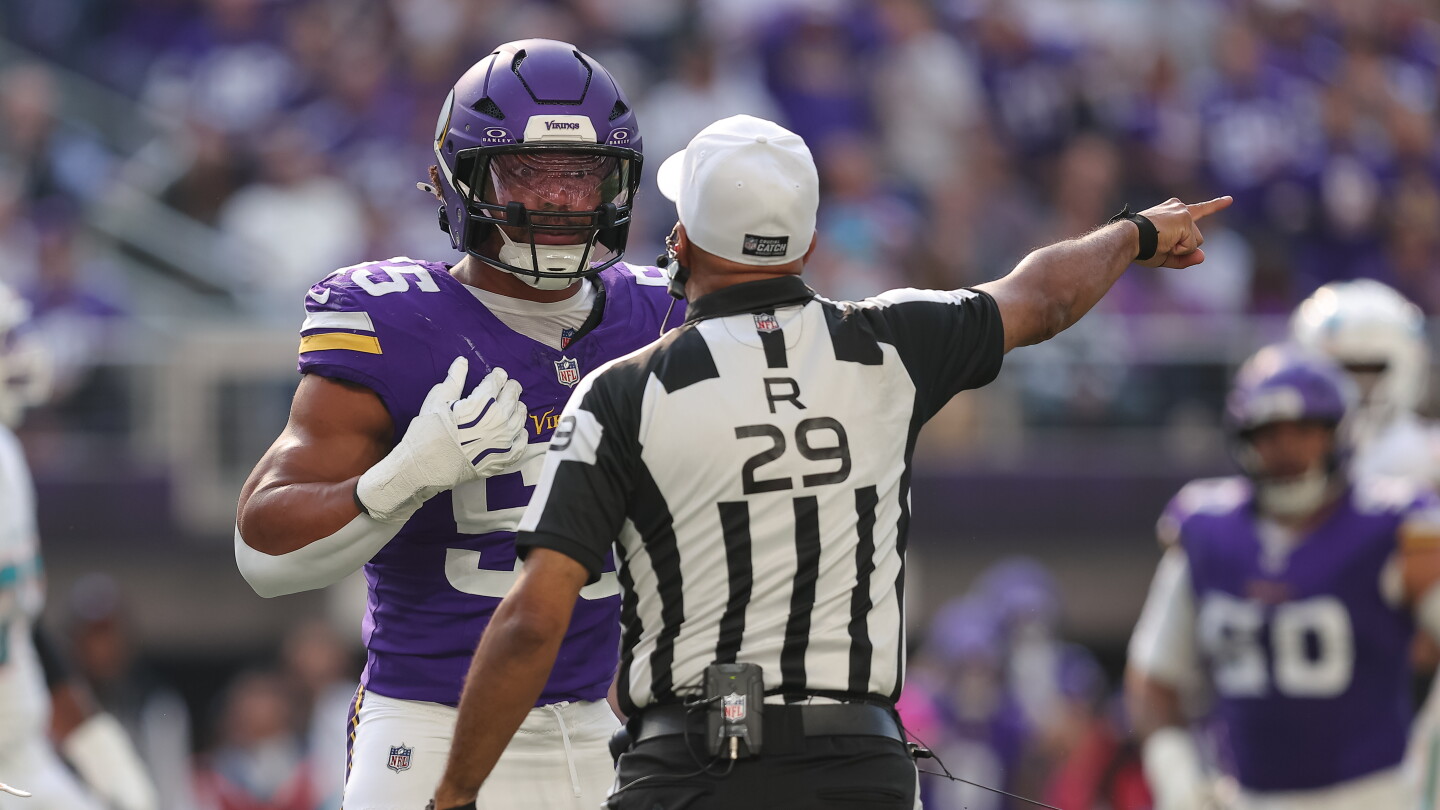
Eric Wilson Ref Incident: NFL Reviewing Vikings-Dolphins Clash
A strange moment in Vikings-Dolphins turned into league business fast. Eric Wilson and referee Adrian Hill are now part of a replay nobody wanted.
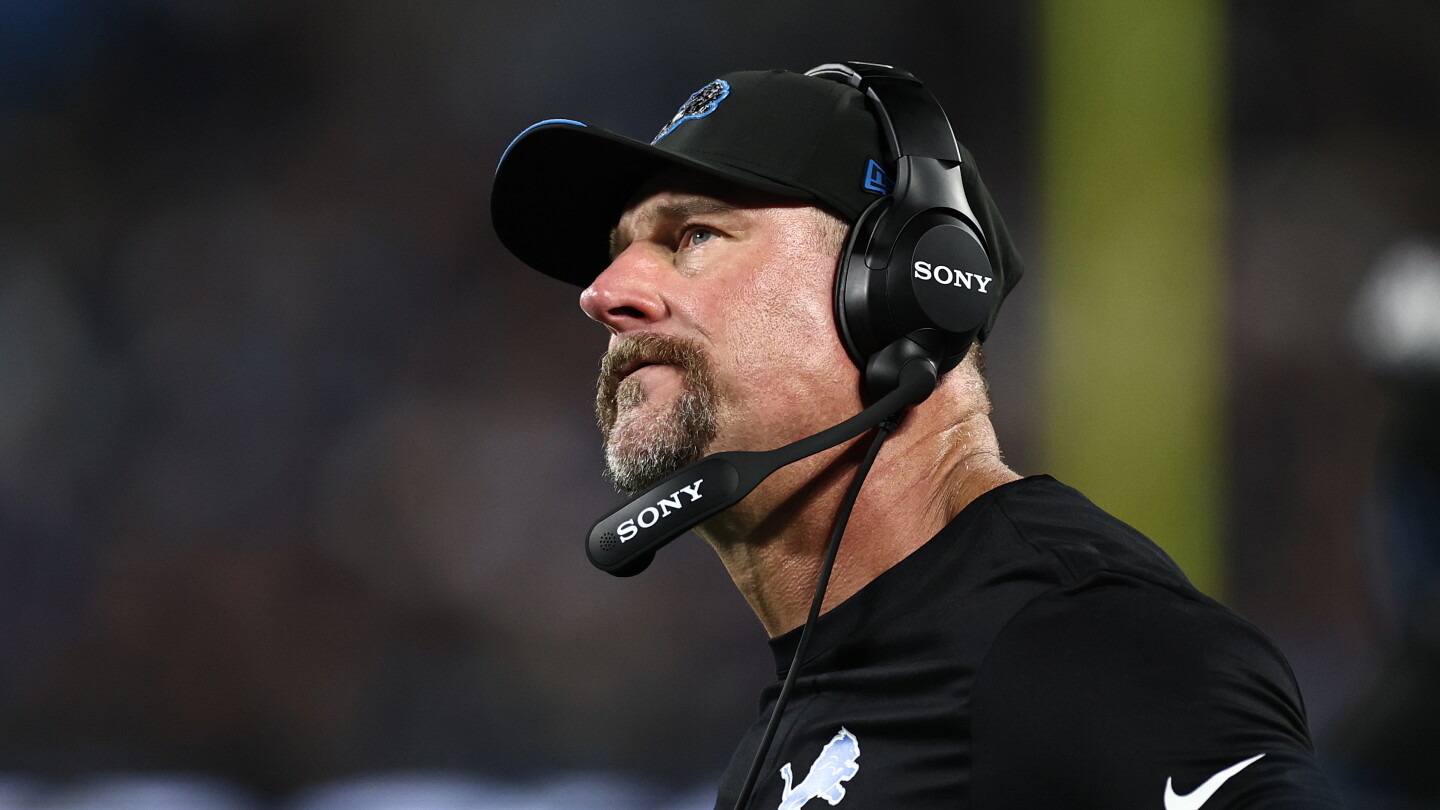
Lions Defense: Dan Campbell Won’t Talk Kelvin Sheppard Firing
Detroit’s defense has been leaking yards and trust. Campbell isn’t cutting bait on Kelvin Sheppard yet, but the margin for patience is thinning.