
Lions Defense: Dan Campbell Won’t Talk Kelvin Sheppard Firing
The rope is still there. So is the fire.
 Beatrice Kensington5 min read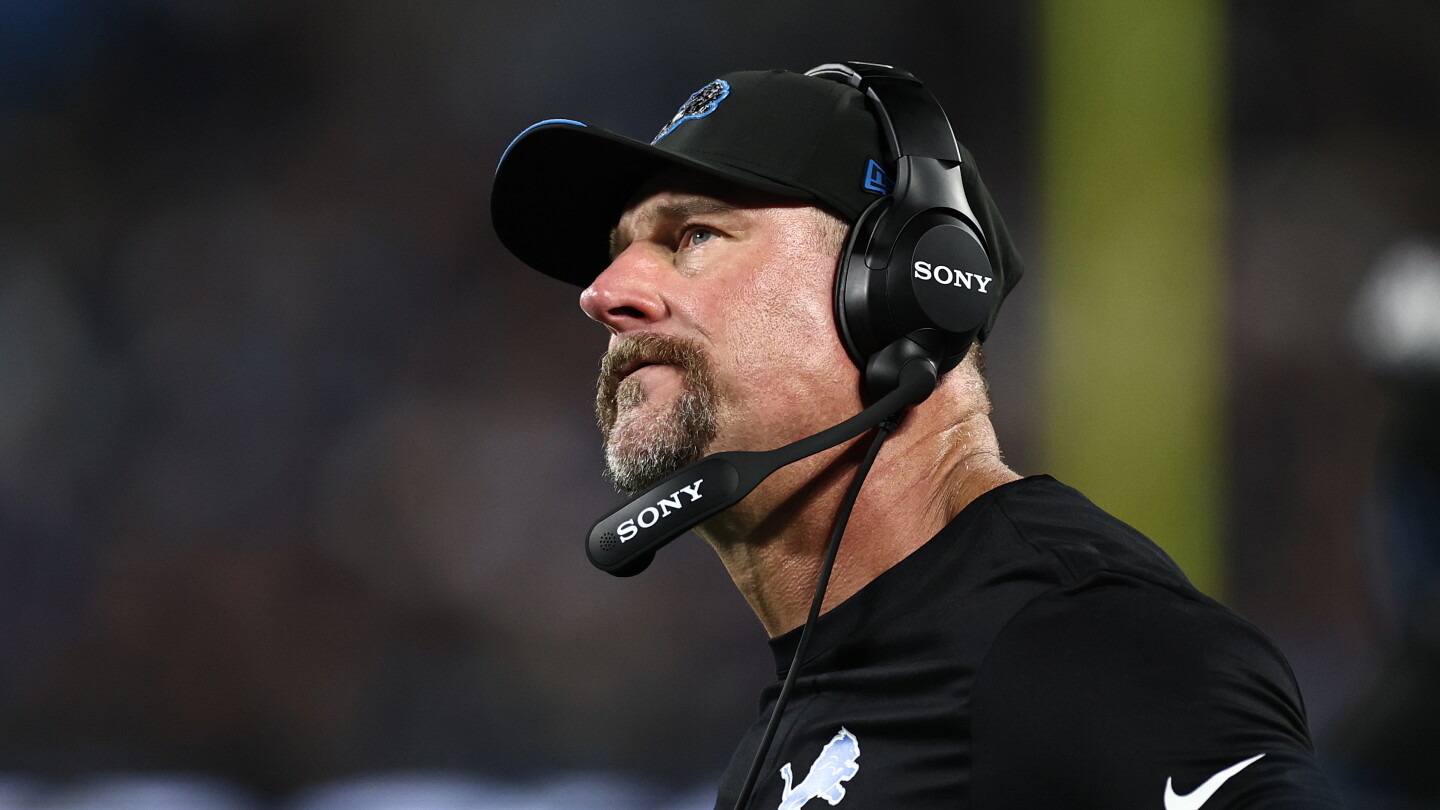
Sunday night in Carolina did not arrive as a crisis by record alone; it arrived as one of those ugly football evenings that leave a stain. The Detroit Lions gave up 445 yards in a 32-26 loss to the Carolina Panthers, and the numbers carried the kind of blunt force that makes a coach reach for a different tone, a different answer, a different scapegoat. Dan Campbell, however, chose the oldest and hardest answer in the book: not yet.
He is not talking about firing Kelvin Sheppard. Not now. Not after a defense that has spent the first three weeks looking like a unit built from loose change and good intentions, and then looked no better under the Sunday night lights.
A defense that keeps inviting the same questions
There are bad games, and then there are revealing games. The Lions’ first three weeks of 2026 already hinted at the shape of the problem, but Carolina sharpened the picture. The Panthers found space, rhythm, and ease; they moved through Detroit with the unhurried confidence of a team that had studied the map and found all the soft spots. When a defense repeatedly concedes long, clean possessions, it is not merely losing drives. It is surrendering the terms of the evening.
That matters because Campbell’s club is not built to win from behind every week. The offense can score, yes. The roster still has the kind of front-line talent that can drag a team into the fight. But football taxes you when the other side knows it can breathe. It taxes your quarterback, your play-caller, your sideline, your lungs. And eventually it taxes belief.
For Detroit, this is no abstract concern. The Lions have spent recent seasons trying to graduate from plucky to permanent, from entertaining to feared. Defensive instability keeps dragging them back toward a more familiar, more fragile identity. Fans know the feeling; organizations know it too. The difference between contender and pretender is often less about one spectacular drive than about whether the defense can stop being a source of recurring emergency.
Campbell’s loyalty, and the danger of waiting too long
Campbell has never been the kind of coach who throws a coordinator overboard at the first swell of criticism. That steadiness is part of his appeal. It is also, in moments like this, part of the risk. Loyalty is admirable until it starts to resemble denial.
There is a reason NFL coaches so often sound like men trying to hold a wall in place with their bare hands. Once a season starts fraying on one side of the ball, the temptation to make a symbolic move becomes enormous. Fire the coordinator. Reset the message. Show the room that performance has consequences. But the more interesting question is whether a change would solve anything, or merely rearrange the blame.
Campbell is correct to resist the instant-fix reflex. Midseason dismissals can satisfy a public appetite for action without curing the structural disease underneath. Still, every week the Lions spend defending the same failings narrows the argument for patience. At some point, a coach’s faith becomes indistinguishable from inertia. That is the line Detroit is beginning to approach.
The situation also puts pressure on the players most responsible for the middle of the field, the tackling, the communication, the little invisible jobs that turn a defense from leaky to sturdy. If the staff stays intact, the burden shifts inward. That can be healthy. It can also be exhausting. There is no hiding place in a league that keeps score with a cold hand.
A defense can survive one identity crisis. It cannot survive making a habit of one.
What this says about the Lions’ bigger picture
I have watched enough teams in enough seasons to know this particular smell. It is the smell of a good roster asking an uncomfortable question: how long can we keep pretending one side of the ball is an exception to the rest of the plan? Detroit’s offense has often been asked to serve as a public relations department for the defense, smoothing over the damage with points and urgency. That arrangement works only until it doesn’t.
This is where Campbell’s decision becomes larger than a single assistant coach. The Lions are trying to establish themselves as an organization that can endure scrutiny without panic, which is a noble ambition. But greatness in the NFL has a cruel housekeeping rule: if one room keeps catching fire, the whole house is judged by the smoke.
I’m struck by how familiar this feels for Detroit, a franchise that has spent so many seasons trying to earn the right to be taken seriously that every setback now comes with its own historical echo. The Lions have moved beyond the era of being charming losers. That is a real achievement. But when a team graduates into relevance, the standards stop being sentimental. You are judged by whether your coordinators can keep pace with your aspirations.
And that is why Campbell’s public stance matters. He is not just shielding Sheppard; he is sending a message to a room that needs to know the head coach still believes the answer can be found inside the building. Sometimes that message steadies a season. Sometimes it delays the unavoidable.
There is another parallel here, less about Detroit than about the anatomy of modern coaching. The league has become increasingly impatient, but also increasingly aware that scapegoats are cheap and schematic fixes are expensive. A fired coordinator is a headline. A repaired defense is a process. The Lions now need the latter badly enough that the former almost feels beside the point.
The next few weeks will tell the real story
Detroit does not need moral victories, and it certainly does not need another night of “we’ll clean it up.” It needs cleaner communication, better leverage, sharper tackling, and proof that the problem is not calcified. If the defense keeps bleeding yards, the pressure on Sheppard will not disappear just because Campbell refuses to say the quiet part aloud.
For now, the coach is buying time. Time is not a plan, but it can be a bridge.
The question is whether the Lions use it.
More from Straight From The Bench
Comments
Join the conversation — sign in to leave a comment.
Sign in to commentRelated Stories
.jpg?w=1120&h=630)
NFL Ref Investigation: Trey McBride, Eric Wilson Viral Clips Spark Heat
The NFL is probing viral sideline exchanges involving Trey McBride and Eric Wilson. It’s another reminder that officiating is now judged in real time, by everybody.

Aaron Glenn Jets Rebuild: First Defining Moment After 1-3 Start
A 23-12 loss to Chicago has turned Aaron Glenn’s early Jets rebuild into a test of nerve. The record is only 1-3, but the questions already feel much larger.
NFLPA Statement on Jeff Seeman Comments: Cardinals Take Notice
The NFLPA is taking aim after CBS caught line judge Jeff Seeman in a sideline moment with Trey McBride. In this league, even a few words can spark a bigger mess.