
Bam Adebayo NBA Discipline Update: League Won't Punish Heat Star
A gym scuffle is not a league crime, but the Heat still have a bruise to manage.
 Beatrice Kensington5 min read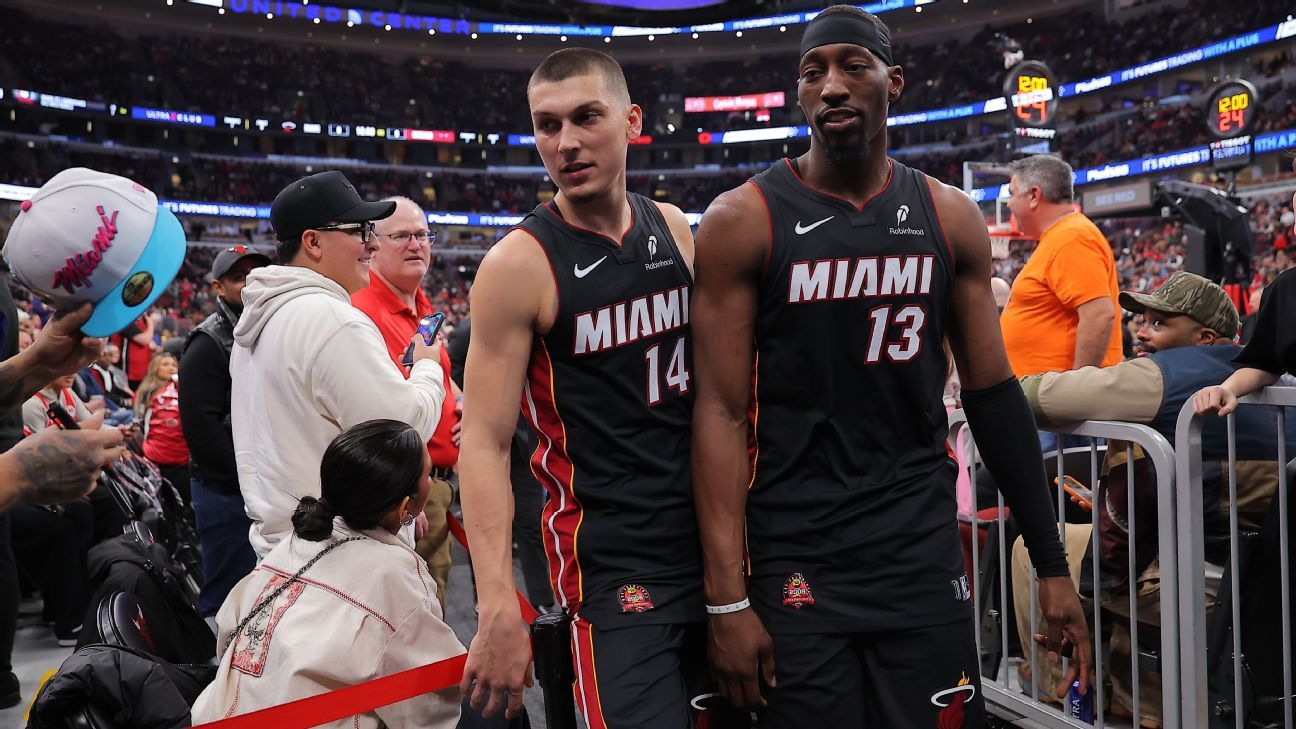
The league drew a line, then declined to cross it
The NBA has decided not to punish Bam Adebayo after the Miami Heat big man struck Tyler Herro during an altercation at a Las Vegas gym last Friday, a ruling that tells us as much about the league’s appetite for discipline as it does about the incident itself. In a summer season built on polished branding and choreography, this was an ugly, unscripted reminder that even professional brotherhood can fray in fluorescent light, on polished concrete, away from the tidy geometry of the court.
Adebayo and Herro are not strangers in the box score sense; they are Miami Heat teammates, linked by the daily intimacy of an NBA season, where bodies, pride, fatigue and expectation are packed together tighter than the schedule ever admits. The league could have stepped in if it viewed the incident as conduct demanding formal sanction. It did not. That choice matters.
Why the NBA likely stopped at the door
League discipline in a case like this usually turns on two things: severity and optics. A gym altercation is not the same as a public assault, and the NBA has long shown a preference for keeping internal friction from becoming headline punishment unless there is a clear competitive or safety issue. That is especially true in July, when the sport is technically dormant but socially very much alive, with players scattered between training halls, summer runs and the permanent pressure of being seen.
This is where the league’s practical instincts reveal themselves. The NBA is not eager to turn every private flare-up into a spectacle, particularly when the participants are teammates and one of them is an established face of a franchise that still hopes to matter in the Eastern Conference). Public discipline would have created a second story, and maybe a third: internal distrust, locker-room fracture, leadership under siege. The league saw enough to avoid the paperwork.
What this says about the Heat’s temperature
Miami has lived for years in the hard, exacting culture Erik Spoelstra has built — a culture that prides itself on conditioning, accountability and the notion that discomfort is not a bug but the point. Yet even the most disciplined team can begin to chafe under its own standards. That is what makes this more than a messy summer footnote. A blow-up between Adebayo and Herro suggests tension that cannot be reduced to “competitive fire” and waved away with a smile.
The Heat do not need a lecture on edge. They have made a franchise out of it. But edge, left unmanaged, can become erosion. Adebayo is not merely a talented center; he is part of the team’s structural spine. Herro is not merely a scoring guard; he remains one of the more recognizable pressure valves in Miami’s offensive design. When those two names appear in the same sentence as a fist, even in the soft lighting of an offseason gym, it invites the old question every contender eventually faces: how much friction can a room absorb before it starts to crack?
The better teams tend to answer that question by winning enough that every irritation gets disguised as proof of seriousness. The lesser ones allow small wounds to fester until they become identity. Miami is not there yet. But this is the sort of episode that forces a front office and a coaching staff to listen more carefully to the room’s tone.
The NBA’s decision says the league saw a disturbance; the Heat now have to decide whether it was a one-time spark or a symptom.
Bam, Tyler, and the politics of summer silence
Here is the part that interests me most: the NBA’s refusal to punish does not absolve the scene, it merely declines to dramatize it. And professional sports, for all its cultivated mythology about brotherhood, is built on a thousand daily negotiations over hierarchy, usage, respect and voice. A player can be essential and irritated, indispensable and resentful, beloved and impossible. Those contradictions live together more often than teams admit.
I have always thought summer incidents are revealing precisely because they happen when the league is supposed to be on its best behavior. The games are off, the cameras are fewer, the stakes are supposedly lower. Yet the same pecking orders remain in place, maybe even sharper because there is no scoreboard to soften them. The NBA has spent decades trying to balance player autonomy with a clean public image, and it usually chooses the least inflammatory path available. That is sensible. It is also a little convenient.
My view is simple: this kind of episode is less about punishment than about memory. Teams remember who embarrassed them, who escalated, who cooled the room, who made the season harder to trust. A league fine would have been theater; a meaningful response now belongs to Miami alone. If the Heat are serious about contending, they will treat this as a standard to be reset, not gossip to be archived.
What to watch when Miami gets back to work
The first thing to watch is body language, always the truest offseason stat. If Adebayo and Herro come into camp with a practiced ease, the incident will recede into the background hum of a long NBA year. If there is stiffness, if possession by possession the offense looks like a conversation conducted through clenched teeth, then the Las Vegas gym will have mattered more than the league is willing to say.
The second thing is whether Miami uses this as a sharpening tool or a cautionary tale. The Heat have never been shy about demanding emotional maturity from their players, and they will not want this episode turning into a referendum on their internal order. But discipline in a basketball sense is not the same as discipline in a human sense. One can be coached; the other has to be chosen.
For now, the official line is clean: no punishment. The mess underneath is still there, waiting for the next workout, the next camp session, the next moment when pride and proximity collide. Miami would do well to handle it before the season does.
The real test is coming, and it won’t happen in Las Vegas.
More from Straight From The Bench
Comments
Join the conversation — sign in to leave a comment.
Sign in to commentRelated Stories
Bucks Gary Trent Jr. Contract: NBA Looking Into Deal
The Bucks’ four-year pact with Gary Trent Jr. has drawn league scrutiny, turning a standard free-agent signing into a small test of NBA bookkeeping.
Seattle Sonics Return: Three Issues That Could Block the Comeback
Adam Silver sounded open to Seattle, but the Sonics’ return still has three ugly hurdles. The sentimental part is easy; the business end is where this gets messy.

Jalen Brunson ESPY Awards: Knicks Guard Owns the Summer
Brunson’s ESPY sweep is more than a trophy shelf moment. It is a marker of how far the Knicks have climbed, and how much further they still mean to go.