
Bucks Gary Trent Jr. Contract: NBA Looking Into Deal
Milwaukee got its shooter. Now the league wants to see the paperwork.
 Beatrice Kensington6 min read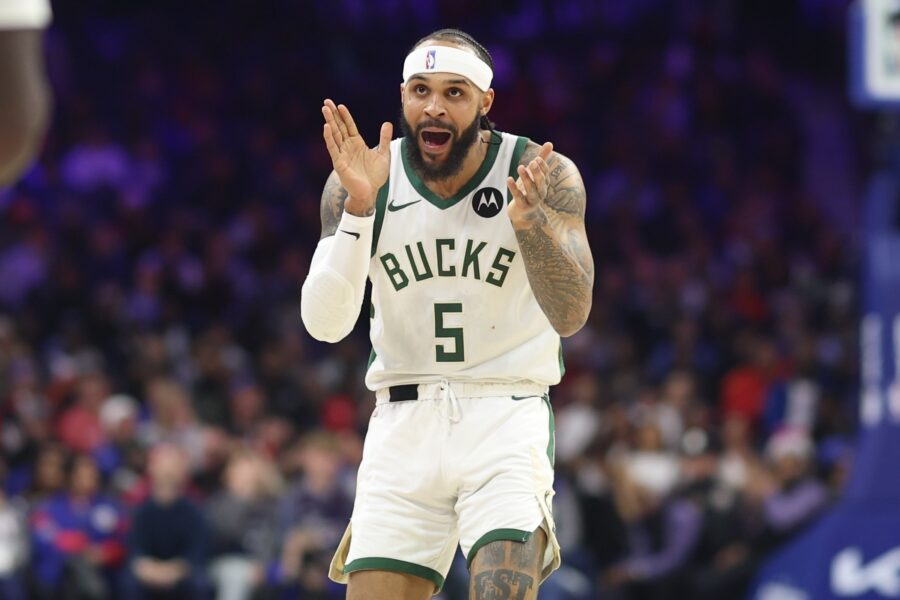
Milwaukee’s new wing comes with a bit of fog
The Milwaukee Bucks did what contenders are supposed to do in the summer: they identified a need, moved quickly, and paid to fill it. Gary Trent Jr. brings spacing, a hard edge, and the kind of perimeter shot that can make a half-court offense breathe again. But the moment the contract was finalized, the league began looking more closely at the arrangement, and that changes the temperature around what should have been a straightforward addition.
This is where the modern NBA reveals its true self. The game is still played on hardwood, under bright lights and in front of packed arenas, but so much of the season is shaped by the invisible architecture around it — salary rules, timing, exceptions, and the quiet accounting that determines whether a team has bought itself flexibility or merely borrowed trouble. Milwaukee did not sign Gary Trent Jr. to become a legal case study. Yet here we are.
Why this deal drew attention
The league does not usually peer into a transaction unless there is something worth peering at. That does not mean wrongdoing; it means the structure, timing, or terms of the deal may invite a second look. In a cap system designed to keep ambitious front offices honest, scrutiny is part of the furniture. The Bucks know this as well as anyone. They have spent years operating in the thin air above the salary cap, where every move is a trade-off and every dollar comes with a chain attached.
Trent matters because he is not decorative. He is a Toronto Raptors veteran wing with real shot-making value, the sort of player who can survive on the floor in playoff possessions where defenses shrink and every weak-side rotation matters. A signing like this is not just about regular-season innings. It is about the late-April math of who can stand in the corner, who can punish a help defender, and who can survive being hunted.
In the NBA, the paperwork can matter almost as much as the player.
What the Bucks were buying
There is an elegance to adding a wing who understands his job. Trent has never needed the ball to stay relevant. That is precisely why contenders want him. A team built around Giannis Antetokounmpo does not need another high-usage engine so much as it needs a reliable lane clearer, a shooter who can force a defense to choose between collapsing and conceding. Gary Trent Jr. is meant to make those choices expensive.
Milwaukee’s problem, of course, is that useful players rarely arrive in neat little packages. They arrive with cap ramifications, market scrutiny, and the occasional question about whether the numbers line up as cleanly as the press release suggests. If the league is investigating the agreement, the Bucks may simply have to show their work. If the structure crosses a line, the consequences could reach beyond a single roster spot.
That is what makes this more than a procedural footnote. Contenders live or die by the edges of the rulebook. The margin between savvy and sanction can be painfully slim.
The league’s interest is about control as much as compliance
The NBA has spent years tightening its grip on team-building behavior, and for good reason. Competitive balance is fragile, and the league has learned, sometimes the hard way, that incentives left unchecked can become loopholes with uniforms. Any closer look at a contract like this is really a look at the broader system: how teams navigate payroll, how aggressively they exploit allowed mechanisms, and how far ambition can stretch before it snaps.
For Milwaukee, the reputational risk may be as annoying as any formal penalty. The Bucks are trying to project competence and stability in a conference where every contender is plotting around them. Their recent offseason moves have to read as coherent, not chaotic. A questioned contract muddies that picture, even if the resolution turns out to be routine.
There is also the human side, which too often gets buried under cap tables. Players do not sign for abstraction. They sign for security, for years, for the promise that the next season is not hanging by a bureaucratic thread. Trent, a veteran wing who has earned his place in this market, deserves to have his role discussed in basketball terms first. The league’s review does not erase his value. It simply reminds everyone that professional sports is built on both talent and paperwork, and the paperwork sometimes growls louder than it should.
Beatrice Kensington on the larger pattern
I have long believed that the NBA’s most revealing stories are rarely the headline trades or the melodrama around stars; they are the transactions that expose how desperate the middle and upper-middle class of the league has become to keep pace. The champions are not only buying skill. They are buying certainty, or trying to. In that pursuit, they often dance close to rules that were written to keep exactly this sort of accumulation in check.
Milwaukee’s situation feels familiar in a very old league sense: a team trying to remain formidable, a front office trying to thread the needle, and a league office trying to prove that its guardrails mean something. The drama is never just about one contract. It is about the precedent. If the NBA lets one arrangement slide, the rest of the league notices. If it draws a hard line, everybody recalibrates.
That is why this matters beyond the Bucks. It is part of the same larger ecosystem that keeps forcing contenders to justify not just their talent evaluation, but their methods. We saw similar tension in how disciplined rosters get built around stars, whether in the aftermath of the Bam Adebayo NBA Discipline Update or in the endless league-wide arms race for every functional edge. The NBA loves innovation right up until innovation starts to look like evasion.
What to watch next in Milwaukee
If the league’s review ends quietly, the Bucks can move on and ask the only question that truly matters in July and beyond: does Trent help them win the East? If the matter escalates, the team may have to explain not only the terms of the deal but the logic behind the structure. Either way, the story is already a reminder that roster-building in this league is never purely basketball.
The Bucks wanted a shooter. They may have bought themselves a conversation too.
Now the waiting begins, and in the NBA, that is often where the real game starts.
More from Straight From The Bench
Comments
Join the conversation — sign in to leave a comment.
Sign in to commentRelated Stories
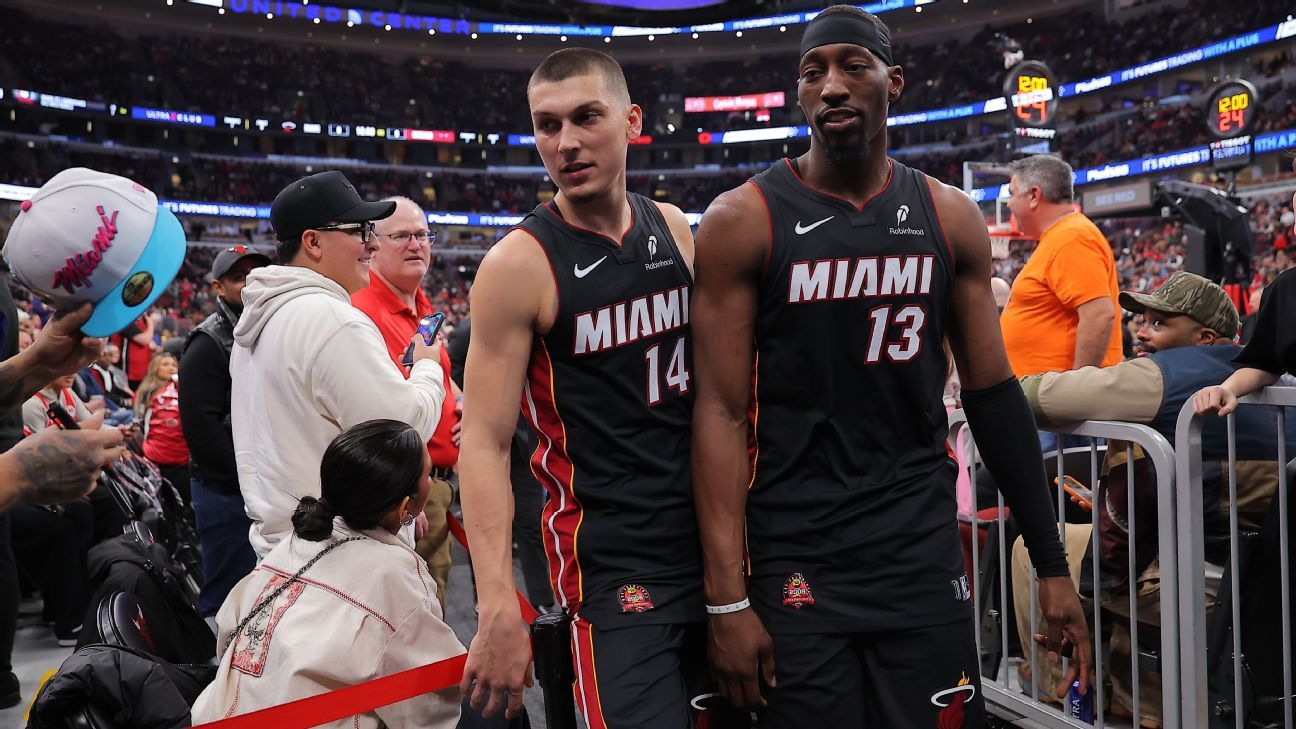
Bam Adebayo NBA Discipline Update: League Won't Punish Heat Star
The NBA has opted against punishing Bam Adebayo after his altercation with Tyler Herro in Las Vegas. The decision closes the league door, not the basketball question.
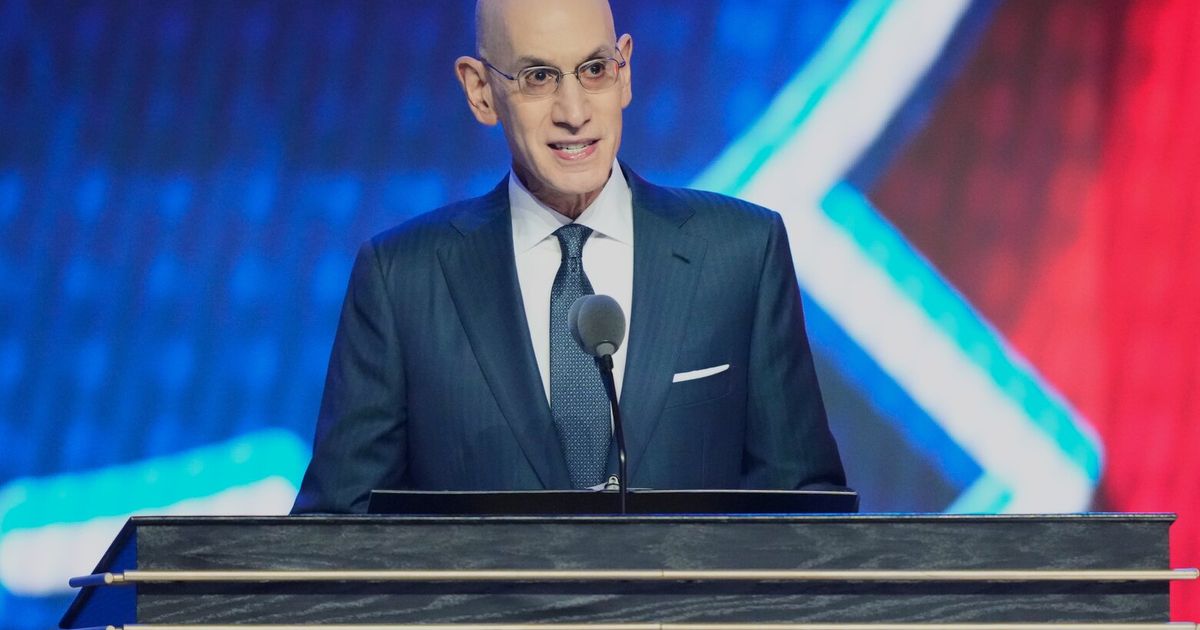
Seattle Sonics Return: Three Issues That Could Block the Comeback
Adam Silver sounded open to Seattle, but the Sonics’ return still has three ugly hurdles. The sentimental part is easy; the business end is where this gets messy.

Jalen Brunson ESPY Awards: Knicks Guard Owns the Summer
Brunson’s ESPY sweep is more than a trophy shelf moment. It is a marker of how far the Knicks have climbed, and how much further they still mean to go.