
England vs Argentina: Has Thomas Tuchel Really Changed Anything?
Fresh badge, familiar headaches. England still looks a lot like England.
 Zane Miller5 min read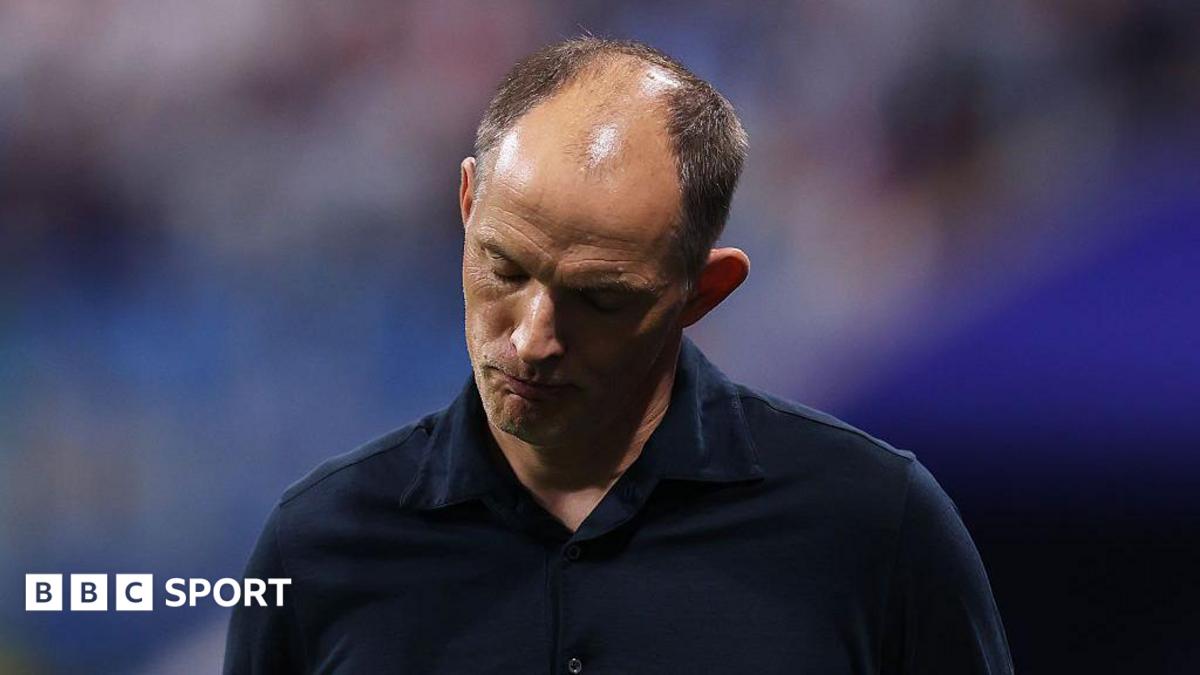
England arrived with a new voice, a new coach and the same old final verdict. That’s the uncomfortable truth after Thomas Tuchel’s first big tournament run ended in defeat to Argentina, because the football may have changed on the whiteboard, but the pressure pattern sure didn’t.
The assignment was simple on paper: bring in a heavyweight tactician, give England a sharper edge, and stop the annual national ritual of asking why the talent never quite cashes the check. Instead, Tuchel walked straight into the same storm Gareth Southgate lived in for years — expectation on steroids, every lineup choice dissected, every cautious stretch turned into a national argument.
Same tournament, different manager
This is where the conversation gets interesting. Southgate was often criticized for being too careful, too structured, too willing to let a game drift. Tuchel came in with the reputation of a more aggressive problem-solver, a coach who can tighten details and drag elite players into a cleaner tactical shape. Different style, different accent, same ending.
That’s the part that should make England fans restless. Not because Tuchel failed to tweak the structure. He almost certainly did. But because the deeper issue may be bigger than the manager. England’s tournament history keeps suggesting that tactical identity alone won’t fix a team that can still look hesitant when the margin gets small and the noise gets loud.
And once that happens, the old reflexes kick in. Safer possession. Fewer risks. More sideways football than a country with this attacking talent should ever tolerate.
The Southgate shadow is still hanging over this team
Southgate’s era was defined by control, trust, and a very deliberate attempt to make England harder to beat. The payoff was obvious enough: stability, deep runs, respectability. The criticism was just as obvious: too often, the ceiling looked capped.
Tuchel was supposed to bring a faster climb to the top rung. Instead, the early read is that England’s issue is less about the badge in the dugout and more about a group that still has not fully converted club-level swagger into tournament brutality. That gap matters. In knockout football, the teams that win tend to make the match ugly for the opponent before they make it pretty for themselves.
England still gets pulled into the wrong kind of game too often. The rhythm slows. The pressure mounts. The final pass gets conservative. And suddenly everyone is talking about identity again, because that’s what England does after a major failure.
Different manager, same pain. That’s the story England keep writing.
The irony is that Tuchel’s frustration probably comes from recognizing how familiar all of this feels. He didn’t inherit a blank sheet. He inherited a football culture that tends to panic the second a knockout match stops looking clean.
Why the Argentina defeat stings beyond the result
A loss to Argentina is never just a loss in England’s case. It becomes a referendum. On mentality. On selection. On whether the coach was brave enough. On whether the players were free enough. On whether this is the team that finally snaps the cycle or just another chapter in the same book.
That’s why this defeat hits harder than a simple scoreboard read. It doesn’t just knock England out of a match. It revives the entire argument about whether the national team’s problem is structural. Southgate spent years trying to balance caution with ambition. Tuchel is now finding out that even with a more modern tactical toolkit, the margins remain brutally narrow if the team doesn’t impose itself early.
The market reality matters too. England’s talent pool is still elite, but elite squads are not the same as elite tournament teams. Clubs get months to iron out issues. National teams get a few camps, a few games, and a giant spotlight. That means cohesion is gold. If the structure is only half-automatic, the whole thing starts creaking once the stakes climb.
What Tuchel can fix — and what may be bigger than him
Tuchel can change spacing, pressing triggers, build-up patterns, all the usual coach-speak that actually matters at this level. He can also make selection feel more ruthless, and England probably need that. Too many tournament cycles have featured the same debate: are the best players really the best fit, or just the biggest names on the board?
But there’s a limit to how much a manager can do when the team’s psychological ceiling keeps showing up at the worst possible time. That’s the hard part of international football. You can’t buy another window. You can’t sign a new left side in January. You have to convince a country to trust a process that has already failed under different labels.
I’ll say this plainly: England’s next breakthrough probably won’t come from a genius formation tweak. It’ll come from a colder, nastier tournament personality. Less deference. More edge. More willingness to win an ugly game before chasing the perfect one.
That’s why Tuchel still matters. He’s not being judged only on one defeat. He’s being judged on whether he can make England look like a team that expects to survive chaos, not just manage it. The Premier League has spent years producing technically sharp, tactically educated players. Now the national side has to turn that into something tougher. If Tuchel can’t push them there, the next coach will inherit the same problem with a fresh font on the team sheet.
The next phase is about proof, not promise
The good news for England is that the talent pipeline isn’t the issue. The bad news is that nobody cares about the pipeline once the knockout bracket starts biting. Tuchel needs his side to stop looking like a team that is waiting for things to settle.
Because they won’t.
The next tournament run will tell us whether this was a coaching reset or just a new coat of paint over the same old pressure points.
More from Straight From The Bench
Comments
Join the conversation — sign in to leave a comment.
Sign in to commentRelated Stories
Argentina World Cup Banner Row: UK Urges FIFA Probe
Argentina’s postmatch banner over the Falklands has kicked the match into politics. FIFA now has a headache, and so does everyone who thought this would stay on the grass.

FIFA World Cup 2026 Semifinals: Biggest Takeaways
After 102 games, the World Cup has reached a final that carries history, symbolism and a little danger. The semifinals didn’t just settle a bracket — they exposed the tournament’s changing center of g

Argentina vs England World Cup Semifinal: Tuchel, Messi, and the Turn
Argentina rode belief, nerve and Lionel Messi’s old magic past England in Atlanta. England’s tactical mess made the comeback far too easy.