
Reds Chase Burns Contract Extension: Cincinnati Locks In Ace
Seven years for a fireballer. The Reds just chose certainty over another rebuild cycle.
 Zane Miller6 min read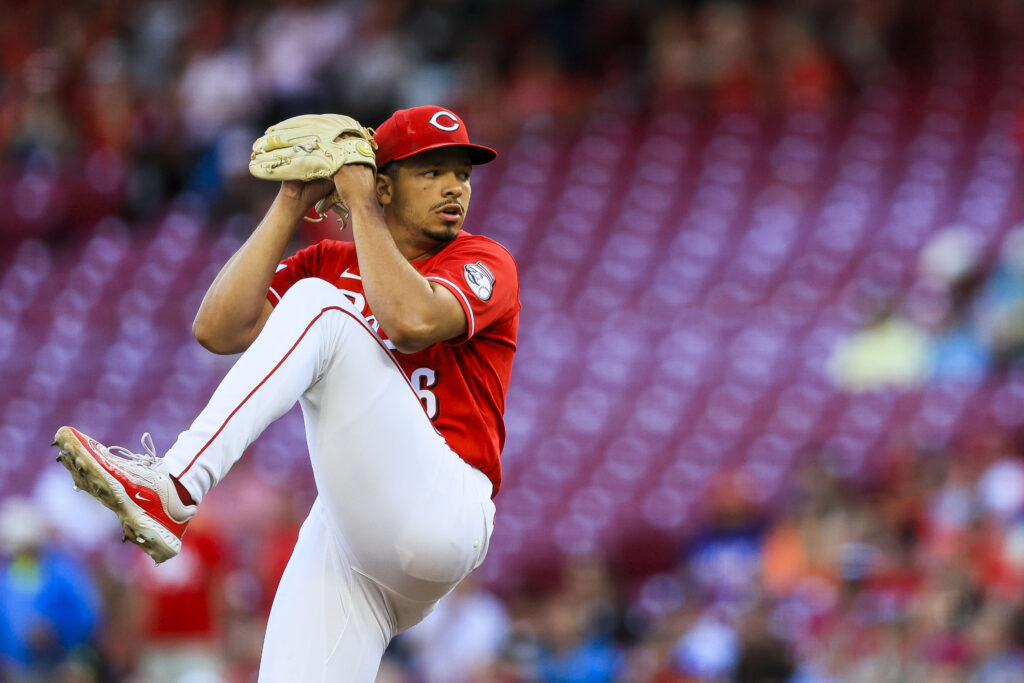
The Reds didn’t wait around for Chase Burns to become a full-blown national headline before paying up. They moved early, moved big, and sent a very clear message: this isn’t a cute breakout story anymore. This is the start of a rotation plan built around a premium arm, and Cincinnati is willing to put real money and real years on the line to make sure he stays in town.
A seven-year, $105 million extension for a pitcher with Burns’ kind of ceiling is not the sort of deal teams hand out casually. It’s the kind of contract front offices make when the internal grades are loud, the confidence level is high, and the club believes it’s staring at a cornerstone before the market price goes nuclear. The Reds are buying out arbitration, buying out some free-agent years, and buying themselves time with a pitcher they clearly believe can become the face of the staff.
Cincinnati is paying for upside before the price gets absurd
This is the part most fans miss. Extensions like this are never just about present performance. They’re about risk control.
For the club, the logic is simple. If Burns keeps trending like a front-line starter, the open market eventually turns nasty. Star pitchers do not get cheaper. Velocity, swing-and-miss stuff, age, and team control all collide, and suddenly the number goes from aggressive to impossible. Cincinnati stepped in before that moment arrived.
For Burns, this is the classic tradeoff. He gives up some future earning power in exchange for instant security and a deal that says the organization sees him as a building block, not a short-term asset. That matters. Players know the difference. Agents know it too. And front offices absolutely know what kind of trust a move like this creates inside a clubhouse.
If you want the broader context, look at how baseball has shifted around premium young pitchers. Teams are more willing than ever to lock in talent early if the medicals and the stuff line up. The Cincinnati Reds are not some reckless spender throwing cash into the wind. This is calculated. It’s the modern version of roster construction: identify the arm, price the risk, move before the bidding war starts.
Chase Burns changes the shape of the rotation conversation
This extension is about more than one pitcher’s bank account. It changes the whole tone of how the Reds can plan their next few seasons.
When a team has a potential ace under control, everything gets cleaner. The bullpen gets used differently. The front office can approach the trade deadline with more confidence. Other starters get slotted with less pressure to carry the whole load. And yes, opponents start circling series differently when they know a high-end right-hander is looming in the rotation.
Burns’ rise also matters because the Reds have spent too long living in that frustrating middle space where the talent is interesting but the certainty is missing. A breakout arm gives them an anchor. You don’t have to sell a fan base on hope forever if you can point to someone who can line up against anybody and give you a chance.
That’s why this deal lands harder than a standard extension announcement. It’s not just retention. It’s identity.
The Reds have been trying to build a sustainable core, and this is how sustainable cores are actually assembled: pay for the obvious pieces before they become obvious to everybody else. We’ve seen clubs try to wait it out and “stay flexible.” That usually just means watching the player get more expensive while pretending patience is a strategy.
Cincinnati just paid for the next stage of Chase Burns before the rest of baseball priced him like a problem.
The market signal is bigger than one number
Seven years and $105 million says plenty about how the Reds view Burns, but it also says something about the market itself. Pitchers with elite traits are still where the sharp money goes if a team believes the body and delivery can hold up. Clubs are not extending everyone. They are choosing.
That makes this move more interesting than the raw dollar figure. Cincinnati is not behaving like a team waiting for someone else to define the future for them. They’re trying to get ahead of it. That’s what smart organizations do when they spot a window between prospect hype and star pricing.
I’ve always thought these deals reveal more about a front office’s confidence than any public quote ever could. If a team pays early for a pitcher, it’s because the internal belief is louder than the external risk. That’s how you separate a real development win from a temporary hot streak. The MLB ecosystem is full of teams claiming to value pitching. Fewer are actually willing to buy the years before the breakout becomes expensive theater.
And let’s be honest: this is also a message to the rest of the clubhouse. The Reds are not just protecting one arm. They’re showing players how they intend to operate. If you perform, if you’re part of the core, and if the evaluation is strong enough, the organization is willing to move with conviction. That travels.
What this means for the Reds’ bigger timeline
This is the kind of contract that can age beautifully if Burns becomes what Cincinnati thinks he can become. It can also sting if injuries intervene or the command takes longer to settle than expected. That’s the nature of paying early. There’s no free lunch here.
But the upside is obvious. If Burns becomes a top-of-the-rotation starter, the Reds just bought a potential ace at a number that could look friendly fast. If he settles in as a reliable No. 2 with strikeout ability, the contract still has plenty of utility. Either way, the organization has made the bet and cleared the runway.
The broader ripple is just as important. This could influence how the Reds handle other young players in the system. Once a club commits at this level, it often starts thinking in timelines, not just seasons. That changes who gets promoted, who gets protected, and who gets moved if the roster needs help elsewhere.
I’ll say this straight: I like the aggression. Not every deal for a young pitcher is a smart one, but I’d rather see a front office take a real swing on a premium arm than keep kicking the can while the market gets away from them. Cincinnati has spent years trying to get out of the drift. This is a step toward something more deliberate.
Keep an eye on how the Reds stack the rest of the rotation now. Once you commit to Burns like this, the expectation shifts fast. He’s not just a prospect with buzz anymore. He’s part of the plan.
And that’s the whole point. The Reds didn’t just extend a pitcher. They bought a direction.
More from Straight From The Bench
Comments
Join the conversation — sign in to leave a comment.
Sign in to commentRelated Stories
Astros Trade McCullers, Gordon to Brewers: What It Means
Lance McCullers Jr. is on the move, and the Astros are sending a familiar name and a young piece to Milwaukee for an outfield prospect. It’s a deal with bigger teeth than it first looks.

MLB Trade Candidates: Tarik Skubal, Joe Ryan, Sonny Gray
With less than three weeks to the Aug. 3 deadline, contender logic is colliding with front-office reality. The names are big, the asks are bigger.

2026 MLB Draft Biggest Steals: One Pick From Each Round
The 2026 Draft delivered 613 picks and, as always, a few names that may age far better than their slot. The bargains are where a franchise’s future can quietly begin.