
Belgium FA Folarin Balogun Ban: World Cup Answers Sought
The eligibility paperwork never dies. Belgium wants the file reopened.
 Zane Miller4 min read
Belgium is not letting the Balogun file close
Belgium’s Football Association has made one thing clear: it wants the Folarin Balogun issue back on the table. Not rhetorically. Not for theater. Formally enough to ask that it be discussed at the next level. That tells you the wound is still there.
This isn’t just about a forward who happened to score against them at the 2022 FIFA World Cup. It’s about process. About whether the paperwork, timing, and eligibility checks were handled the way federations assume they are when the spotlight gets hot. In international football, that stuff is supposed to be boring. Once it isn’t, everybody starts looking for the missing page.
Why this matters beyond one result
Balogun’s international path has already been one of the more watched cases in the United States men's national soccer team player pool. He’s the kind of dual-national storyline federations spend years chasing and then months fighting over. If Belgium is still asking questions, it means they think there’s at least a governance issue worth revisiting, even if the on-field result is long in the books.
That’s the nerve here. World Cup qualifying, call-up windows, switch decisions, federation declarations — all of it lives in a fragile chain. Break one link and the whole thing gets dragged into committee language. And nobody loves committee language less than teams who feel they lost ground to it.
The practical impact may be limited. Results don’t get rewritten because a federation is irritated. But pressure does build. Reputations take a hit. And the next time a similar eligibility case pops up, officials won’t be dealing with a clean slate. They’ll be dealing with memory.
In international football, the paperwork can outlast the tournament.
The politics of eligibility are always louder after the whistle
This is where federations show their true colors. When a player is in dispute, everybody suddenly becomes a zealot for process. Belgium’s stance says it wants clarity, not just closure. Those are different things. Closure is emotional. Clarity is bureaucratic. One ends the argument. The other keeps the door cracked.
And in a sport built on national identity, dual-national recruitment is never just administrative. It’s competitive. It’s diplomatic. It’s a quiet arms race. Countries don’t just want stars; they want certainty that their stars are cleanly theirs. That’s why these battles linger long after the match itself fades.
What the Balogun case says about modern football
I’ve covered enough of these cross-border disputes to know the pattern. The loudest complaints usually come after someone else benefited. That doesn’t automatically mean there’s a smoking gun. It means the losing side thinks the system was too loose, too fast, or too trusting. And sometimes they’re right.
My read: this is Belgium signaling that it doesn’t want the precedent buried. That matters because federations watch each other. If one association believes another got a shortcut, it becomes a scouting report for future disputes. The bigger picture is simple: international eligibility is no longer a side note, it’s part of roster-building strategy. The best players now come with passports, not just pedigrees.
I’d also keep an eye on how this is handled publicly. If officials keep it in formal channels, it’s a governance story. If it drifts into blame and insinuation, it becomes political fast. That’s when football’s clean little rulebook starts getting used like a weapon.
For a player like Balogun, the noise is collateral damage. He’s not the first dual-national to get caught in the middle, and he won’t be the last. The Premier League era trained fans to think of transfers as leverage. International football has turned identity into leverage too. That’s the real lesson here.
The next move will tell us what Belgium really wants
If Belgium gets the discussion it wants, watch the language, not just the outcome. If it’s framed as a rules clarification, this probably fades into the background. If it’s framed as a grievance, the story has more life.
Either way, federations are paying attention. So are players, agents, and the people who handle documents before anyone handles trophies. In a sport obsessed with margins, eligibility is one of the biggest ones left.
This one isn’t going away quietly. And in football, quiet is usually the first sign something still isn’t settled.
More from Straight From The Bench
Comments
Join the conversation — sign in to leave a comment.
Sign in to commentRelated Stories
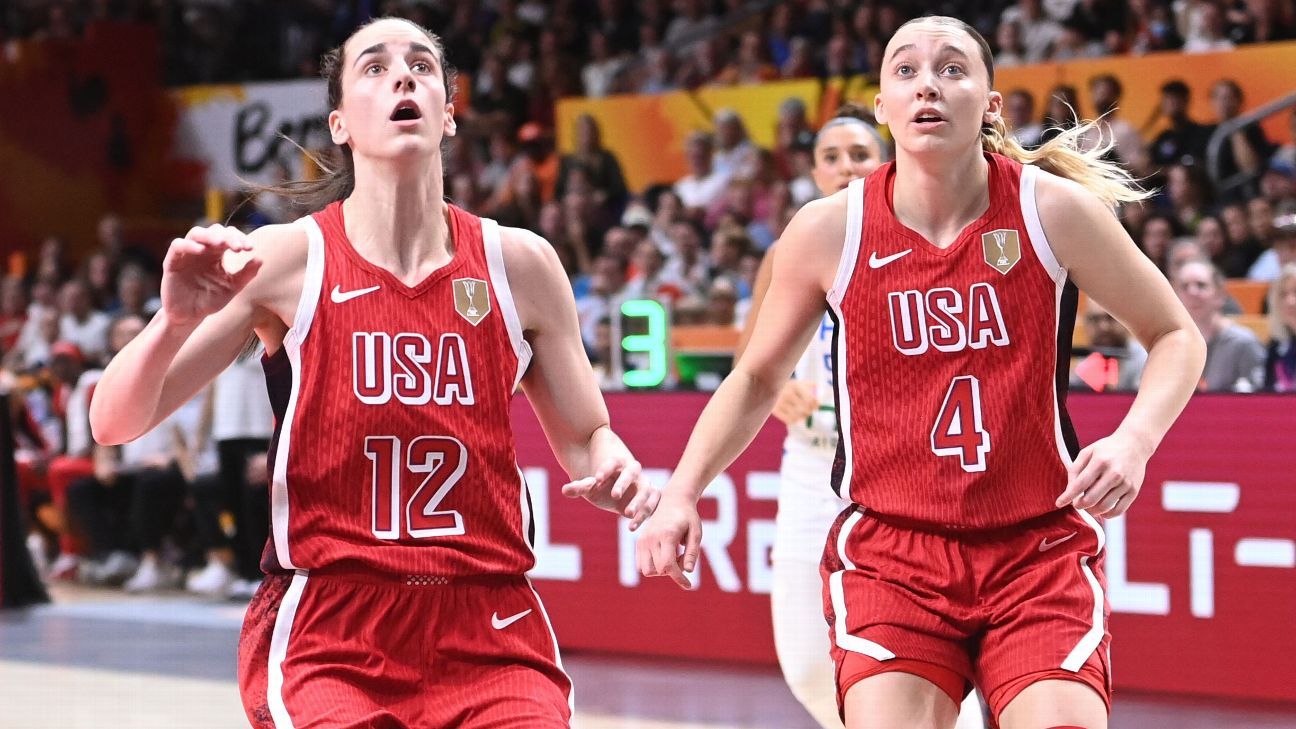
Team USA vs Italy FIBA Women’s World Cup: 55-52 Escape
Jackie Young led a tense finish as the U.S. edged Italy 55-52. The win kept Team USA’s World Cup streak at 32, but exposed real pressure points.
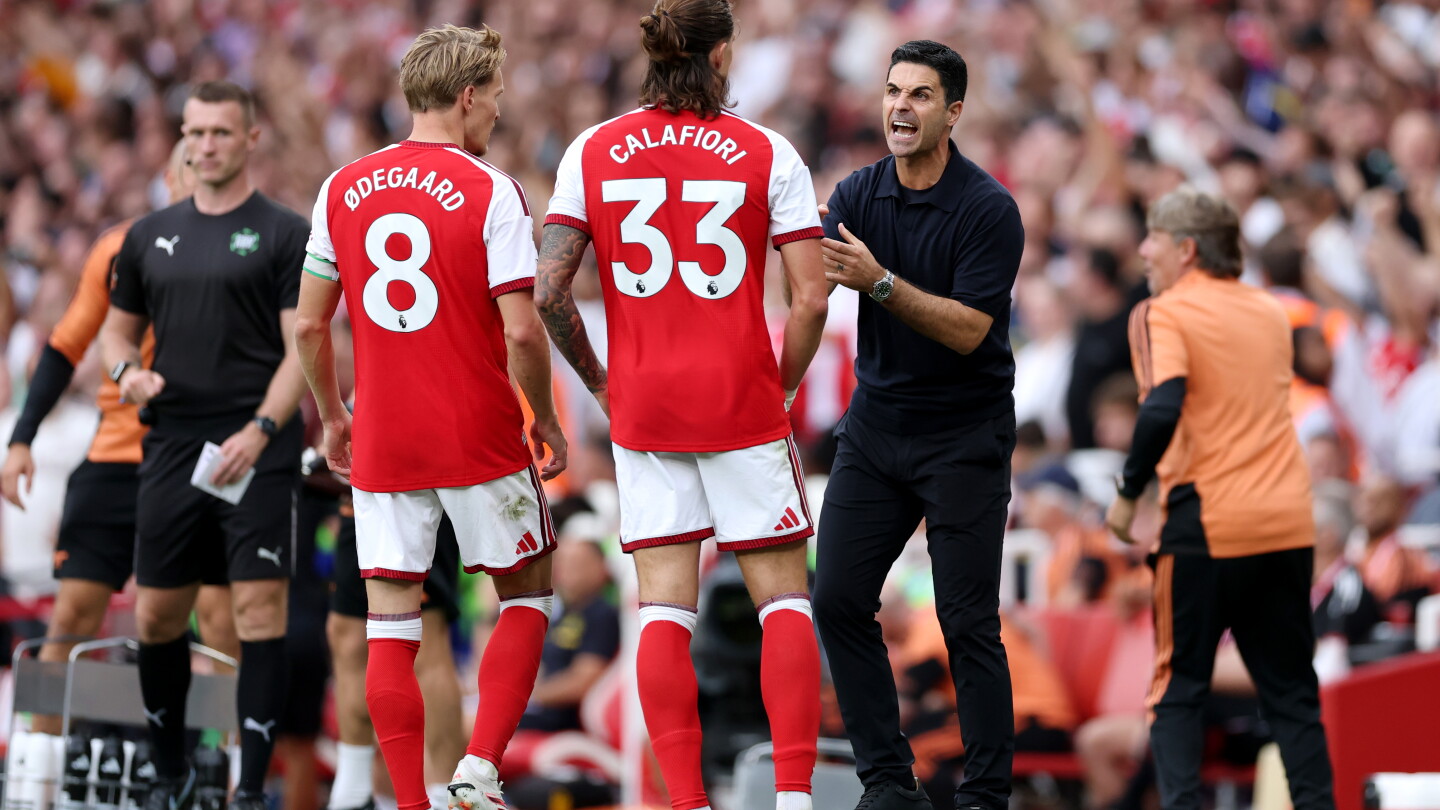
Arsenal vs Chelsea: Arteta praises mentality and Mosquera update
Arsenal took a punch, answered it, and Arteta noticed. The Chelsea win told you plenty about the Gunners’ ceiling — and their injury margin.

WSL Return: Man City Start Strong as New Contenders Emerge
The Women’s Super League came back with fresh faces, deeper squads and a familiar message: talent alone is no longer enough. Manchester City set the early pace, while Tottenham looked ready to widen t