
Chicago Bears legend Matt Suhey dies at 68: remembering Payton’s ally
A bruising fullback, a quiet shield, and one more thread gone from the 1985 Bears tapestry.
 Beatrice Kensington5 min read
A bear of a career, and a gentler kind of legacy
Chicago has always loved its hard men, but it reserves a deeper, more lasting affection for the ones who did the ugly work without asking for applause. Matt Suhey belonged to that rarer breed. He spent 10 seasons with the Chicago Bears, all of them in navy and orange, and for much of that time he was the lead block in front of Walter Payton — the clearing of a path, the first shove into daylight, the silent promise that the lane might open if you trusted the man ahead of you.
Suhey’s death at 68, announced over Labor Day, lands with a particular ache because it reaches beyond football. Another member of the 1985 Bears has gone, and with each passing, the championship that once felt loud and indestructible becomes more fragile in memory, more human, more mortal. That team lives on in highlight reels and old arguments about the greatest defenses ever assembled, but it also lives in the small, intimate architecture of friendship. Suhey was part of that architecture.
The fullback as the first human wall
The position Suhey played has nearly vanished from modern football, and that disappearance says a great deal about what the sport has become. The classic fullback was a craftsperson of collisions, a player whose value was measured less in numbers than in bruises absorbed on someone else’s behalf. He was the man who met linebackers in the hole so a runner could slip through behind him. He was the one who made the glamorous things possible.
That is why Suhey’s career matters even now. In an era obsessed with efficiency and self-creation, he represented the old economy of football: sacrifice first, glory if it comes at all, and most of the time it does not. It is easy to remember Payton, because greatness naturally pulls the eye. It is harder, and more honest, to remember the players who made greatness less theoretical. Suhey did that work for years, and he did it in a city that understood exactly what it looked like.
Chicago football has always been built on a kind of civic affection for pain. The NFL polished the spectacle, but the Bears supplied the weather and the grit and the sense that the game ought to be earned. Suhey fit that moral climate perfectly. He was not a decorative piece in the backfield. He was the latch on the gate.
The 1985 Bears are remembered for their ferocity, but they were held together by men whose names rarely traveled beyond the sideline.
Walter Payton’s friend, and that matters more than nostalgia
There is a temptation, when an old teammate dies, to reduce him to a footnote in somebody else’s legend. That would be unfair here. Suhey’s bond with Payton was not a marketing detail or a sentimental flourish. It was real friendship, the kind forged over years of shared labor, shared hits, shared travel, and the strange intimacy of men who learn one another’s rhythms at full speed.
Payton remains the face of the franchise, and deservedly so. But even the brightest stars cast shadows, and in those shadows live the people who made the story possible. Suhey was one of them. He blocked, he absorbed punishment, he extended the edge of Payton’s talent, and in the process he helped build a football memory that still animates Chicago winters and barstool debates.
The loss also arrives with a reminder that the Bears’ great old guard is fading with painful regularity. We saw it with other members of that 1985 squad in the broader churn of football news, the way history in this sport does not sit still for a second. It is always being pulled forward by the next roster, the next scandal, the next draft class. And yet the emotional weight of that Bears team endures because it was never just about winning. It was about identity.
What Suhey’s death says about football’s vanishing values
I’ve always believed the league lost something when it turned away from the fullback as a common species. Not because every offense should carry a throwback bruiser for nostalgia’s sake, but because the disappearance of the role changed the way we talk about value. Football used to have more room for the worker whose success was invisible on the screen but obvious in the run game’s geometry. Now the language of the sport often favors the stat line, the clip that travels, the player who can be packaged in seconds.
Suhey’s career is a rebuttal to that drift. He reminds us that there are still forms of excellence that look, from a distance, like self-erasure. The fullback’s beauty was in denial — denying linebackers, denying pursuit angles, denying the defense its preferred shape. That kind of work rarely gets commemorated properly. It should.
And there is another layer here, one that feels especially Chicagoan. The city has never been sentimental in a cheap way, but it is fiercely loyal to those who understood their roles and played them with pride. Suhey was that sort of player. He was not the headline. He was the hand that steadied the headline.
The 1985 Bears keep losing pieces of themselves
Every championship team becomes, in time, a kind of floating museum. The uniforms fade in old photographs, the stories sharpen, the jokes become ritual, and the people themselves begin to leave the room. That is the quiet violence of sports history. It turns flesh into lore.
Suhey’s passing is part of that process, and it carries a sting because the 1985 Bears were so vividly alive in the public imagination. They were swagger and menace, defensive brilliance and irreverence, a team that seemed to play as if the city itself had taken the field. When one of those men dies, the past does not merely recede; it becomes more precious and more difficult to hold onto.
For Chicago, the task now is not only to remember the stars but to remember the laborers who made the stars legible. Suhey deserves that kind of remembrance. So do all the football workers whose names are tucked beneath the brighter lights.
The Bears will keep moving, as they always do. But the old team, the real old team, has become a little smaller tonight. And Chicago feels it.
More from Straight From The Bench
Comments
Join the conversation — sign in to leave a comment.
Sign in to commentRelated Stories
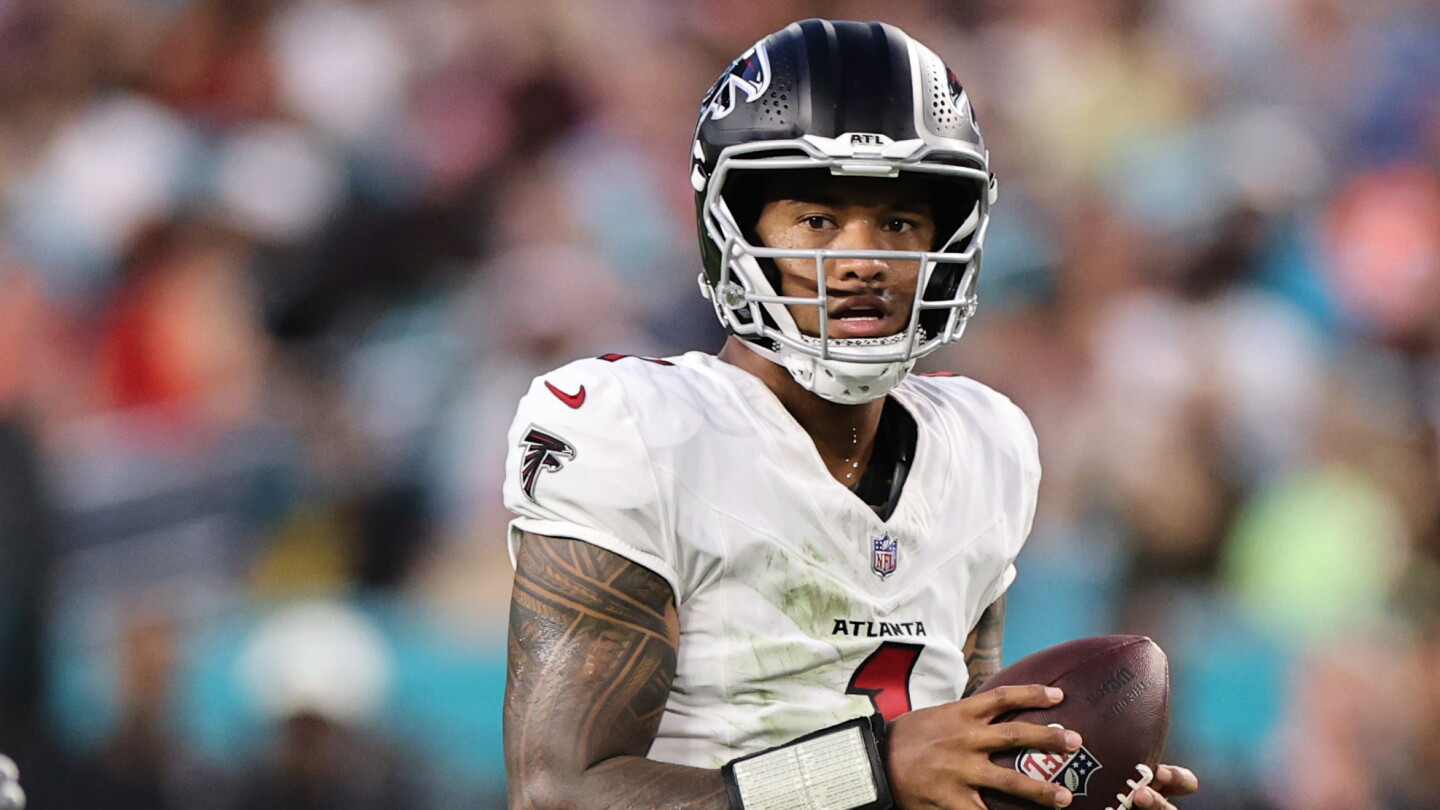
Falcons Tua Tagovailoa Week 1 Starter: Steelers Test Looms
The Falcons finally picked Tua Tagovailoa for Week 1, and now the real work starts. Pittsburgh is a rough first handshake for a team still sorting itself out.

Christian Gonzalez Contract Extension: Patriots Opener Status Unclear
Christian Gonzalez hasn’t committed to playing in the opener without a new deal. For a Patriots defense built on him, that’s not background noise.
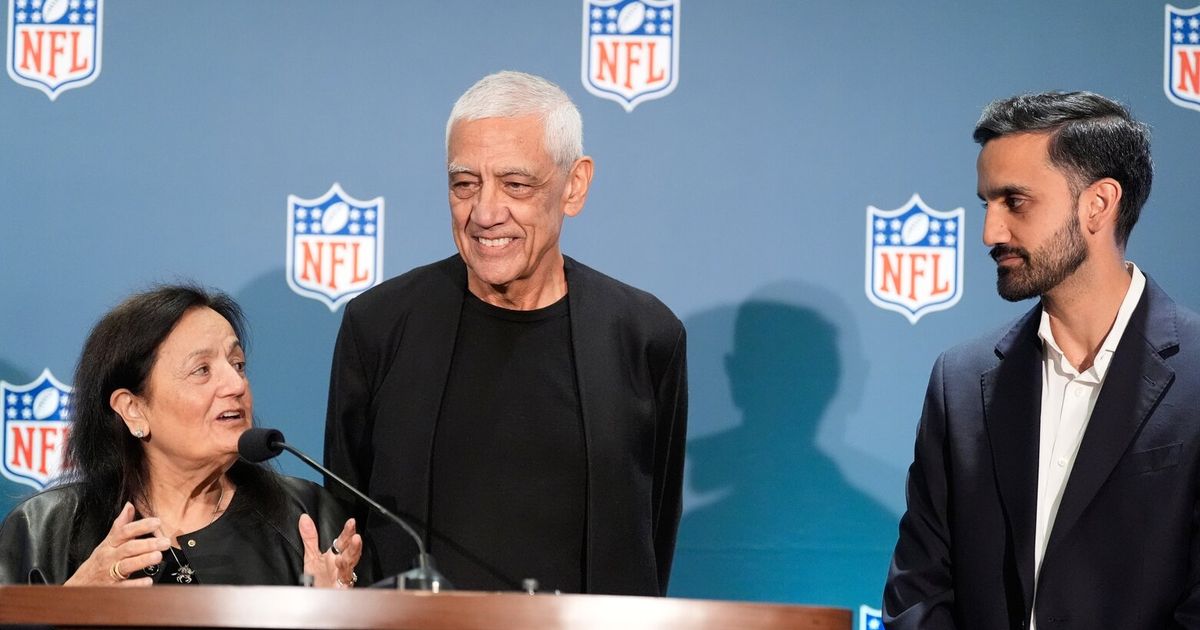
Seattle Seahawks Ownership Change: Khosla Family Faces Old Wounds
The Khosla family’s arrival offers the Seahawks a fresh public face, but in Seattle, new ownership always arrives with history in tow. This city remembers what ownership can build — and what it can br