
Bijan Robinson Extension: Falcons Make RB History at $75M
Atlanta just paid the rarest weapon in the league like one.
 Zane Miller5 min read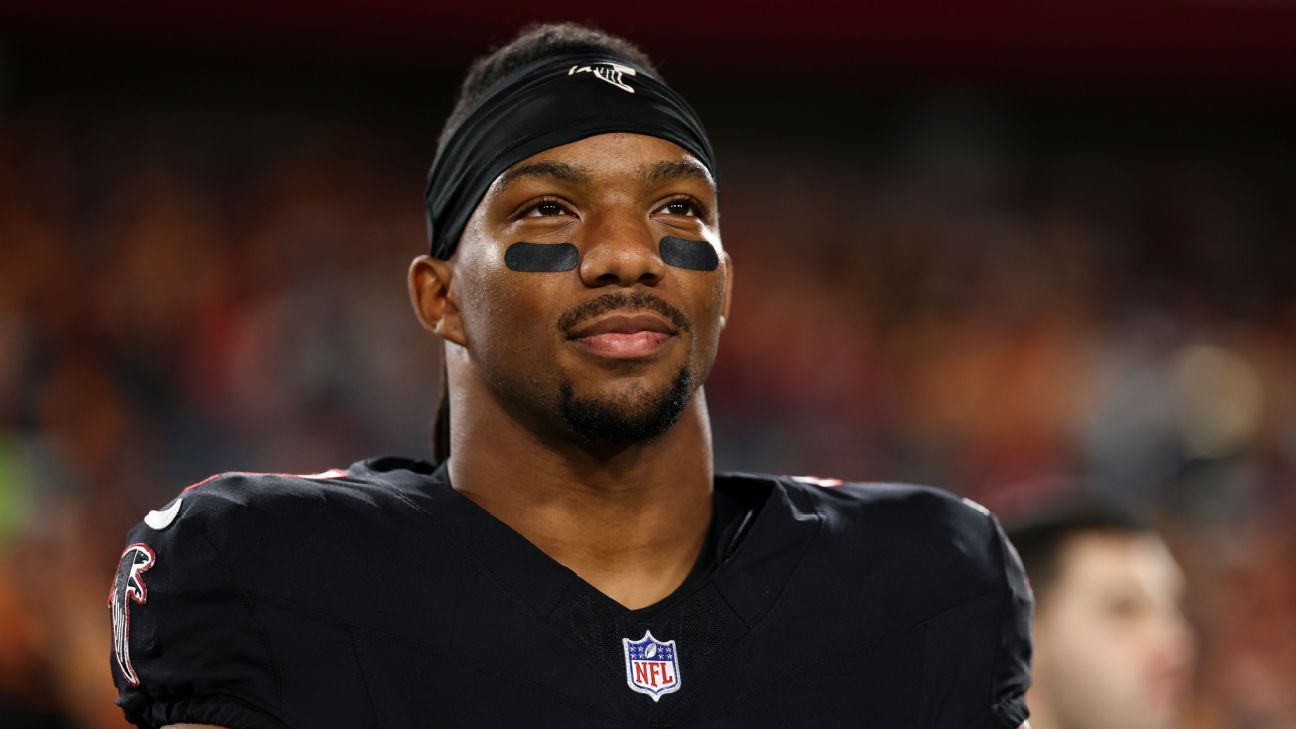
Bijan Robinson didn’t just get paid. He reset the market.
The Atlanta Falcons locked in their star back on a three-year extension that can reach $75 million, and that number hits differently because of the position attached to it. Running backs have spent the last few years getting squeezed, valued like luxury items until the bill comes due. Atlanta just tore up that script and handed Bijan Robinson the kind of deal that says this offense is being built around his hands, his burst, and his ability to stress a defense on every snap.
This is the rare move that feels both emotional and strategic. Robinson is already a two-time Pro Bowler, already a centerpiece, already the kind of player defenses have to game-plan around. The Falcons didn’t wait for the conversation to get messy. They got ahead of it. That matters in a league where the clock on premium skill talent starts ticking the second production becomes undeniable.
Atlanta didn’t pay a running back. It paid an engine
Let’s be honest about the position market. The modern NFL keeps telling teams to treat running backs like replaceable parts. Draft one, use him, cycle to the next. It’s been that way for years, and the numbers have backed it up in front offices from coast to coast. Which is why this deal lands so loudly.
Robinson is not a “nice-to-have” player. He changes how a defense aligns. He changes what the quarterback sees pre-snap. He changes the menu. That’s the edge Atlanta is buying, and it’s the only real argument for paying top-of-market money at a position the league usually discounts.
And the Falcons aren’t doing this in a vacuum. With Bijan Robinson in place, the offense has a defined identity. That’s gold for a team that has spent too much time in the mushy middle between rebuilding and contending. If you’re trying to maximize a young quarterback or protect one, an elite back who can catch, pass protect, and force missed tackles is a serious asset. Not nostalgia. Asset.
Atlanta just paid for certainty in a league that rarely offers it.
The cap math says conviction, not panic
This is where the deal gets interesting from a roster-building angle. A three-year extension keeps the Falcons aggressive in the short term without chaining them forever. That’s smart. Teams get into trouble when they confuse admiration with long-term flexibility. Atlanta appears to know exactly what it is buying: peak-value years from a player who can tilt drives and shorten games.
The structure matters because the NFL cap punishes sentiment, but it rewards efficiency when the player is truly different. Robinson gives them that. He’s the kind of offensive weapon who can carry a game script when things get ugly and still matter when the passing game heats up. That’s not common. It’s also why this contract will be debated all over the league offices this week.
Front offices love to talk about resource allocation. This is resource allocation with a neon sign over it. The Falcons are saying they’d rather spend premium dollars on a player who can touch the ball 20-plus times and influence defensive behavior than chase the illusion of “cheap” offense through replacement-level depth. You don’t have to agree with it to understand the logic.
What this means for the Falcons’ offensive ceiling
The biggest winner here is anyone attached to Atlanta’s offense. Robinson’s extension gives the franchise a clearer lane on how it wants to win. He is the kind of player who can make early-down football less predictable, which sounds basic until you start comparing it to teams that live in second-and-long purgatory.
It also puts pressure on the rest of the roster to match the investment. When a team commits this kind of money to a back, it is implicitly saying the surrounding pieces have to be functional. The quarterback has to be efficient. The line has to be sturdy. The play caller has to be intentional. Otherwise the deal becomes a headline instead of a payoff.
That’s the real stakes piece here. Robinson is good enough to justify it. The question is whether Atlanta can build the kind of offense that turns his greatness into wins that show up in January, not just on highlight reels and fantasy leaderboards.
My read: this is a bet on rare talent, not old-school football
I’ll give the Falcons this: they didn’t pay a running back because they’re romantic about power football. They paid Robinson because he’s one of the few backs in the league who doesn’t fit the usual box. He can attack the edges, win underneath, and make linebackers look slow. That’s not a generic runner. That’s a problem.
I’ve covered enough of these deals to know the instinct in a lot of buildings is to wait one year too long. The player keeps producing, the price keeps rising, and suddenly the conversation shifts from “can we do this?” to “why didn’t we do this already?” Atlanta skipped that trap. That’s a front office move with some nerve behind it.
And yes, there’s risk. There’s always risk with running backs because the position takes punishment that wideouts and pass rushers simply don’t. But if you’re going to buck the league trend, you need a player who can force the issue. Robinson is that player. The Falcons are betting that his impact is rare enough to ignore the usual spreadsheet dogma.
The market has its new benchmark now. Everybody else in the running back room just got a lot more expensive in the eyes of agents. Atlanta set the bar. Now the rest of the league has to decide whether they’re buying talent, or still pretending the position is cheap.
Watch the ripple. It’s not stopping with one extension.
More from Straight From The Bench
Comments
Join the conversation — sign in to leave a comment.
Sign in to commentRelated Stories

John Harbaugh on Arvell Reese: Giants rookie starts camp fast
Arvell Reese turned heads in the Giants’ first padded practice, and John Harbaugh is already sounding encouraged. That’s August oxygen, not October proof.

Commanders training camp offense: pads spark sharper Monday practice
The pads came on at Commanders camp Monday, and the offense looked a little more honest for it. That’s when the easy talk ends and the football starts talking.

Greg Olsen CBS Successor: The Next Man Up Behind Tony Romo
Greg Olsen may have an exit ramp from Fox, and that could put him in line for the biggest chair in NFL TV if Tony Romo stays away. The network game has become a quiet power play.