
Bills new Highmark Stadium: obstructed-view seats draw scrutiny
A $2.2 billion palace should not ask fans to watch around a pillar.
 Beatrice Kensington6 min read
A new stadium, and an old disappointment
The Buffalo Bills opened their new $2.2 billion Highmark Stadium on Saturday, and the first thing to catch fire was not the grass, the tailgate scene or the modern sheen of the building itself. It was the sightline issue — those obstructed-view seats that turned a grand unveiling into a public squint. In a league that sells the full-body football experience as much as the game, this was the kind of flaw that lands with a thud. Not because it ruins the stadium. Because it exposes the fragile bargain at the heart of so many gleaming new venues: pay more, expect less patience, and trust that the architecture will be forgiven once the scoreboard lights up.
The explanation from one of the architects behind the project arrived amid the social-media uproar, and that matters. When a building costing this much starts by asking fans to accept blind spots, the conversation stops being about a single seat map and becomes a test of confidence. Buffalo is not a soft market. Bills fans have stood in lake-effect weather for generations, loyal to the point of martyrdom. They can take cold. They can take inconvenience. What they do not enjoy — and should not be asked to enjoy — is paying luxury prices for a compromised view of the field.
The price of modern football temples
This is the ugly little truth about the modern stadium boom: the architecture is supposed to be invisible until it is not. We are told these places are intimate, fan-friendly, and engineered for spectacle, yet too often the final product feels designed first for premium inventory, corporate hospitality, and television polish. The average fan becomes a supporting character in a revenue architecture that begins with suites and works outward from there.
That is why the backlash around Highmark Stadium cut deeper than a one-off design complaint. The public is increasingly less willing to treat stadium flaws as harmless quirks of a billion-dollar build. A corner seat with a column in the way is not a quaint inconvenience; it is a statement about priorities. If the people filling the lower bowl are the ones subsidizing the cathedral, they are entitled to know exactly what they are buying.
For Buffalo, the sting is sharper because the old stadium’s identity was so rooted in hardship and character. Highmark Stadium) has long been part of the Bills’ mythology, a place where winter itself felt like a co-defender. The new building was supposed to keep the soul and lose the misery. Instead, for a moment, it looked like the club had swapped snow drifts for obstructions.
What the architect’s explanation can and cannot fix
An architect can explain a sightline issue. An architect cannot explain away the feeling of being shortchanged. That distinction matters. There may be a perfectly rational design constraint at work here — angles, structural support, bowl geometry, all the technical language that can make a bad fan experience sound inevitable. But inevitability is not the same thing as acceptability.
The Bills now face a public-relations problem that is larger than one Saturday headline. If the explanation sounds like an apology without a remedy, the disappointment will linger. If the team and its partners move quickly to identify affected sections, offer transparency, and make clear what can be improved, the story can settle. Fans are remarkably forgiving when they believe they are being treated honestly. They become savage only when they sense they are being managed.
That is why this flare-up resonates beyond Buffalo. Modern stadiums are increasingly sold as civic monuments, but the public experiences them as consumer products. A bad seat is not just a bad seat; it is evidence that the promise was overmarketed. The same tension has shadowed other sprawling projects across sports, and it is one reason why venue debates now ignite so quickly. People know a glossy render is not a guarantee of comfort.
Buffalo’s fans have earned more than a polished brochure
The Bills have one of the most emotionally invested followings in American sports, and that devotion gives this issue moral weight. Fans like these are not merely attending events; they are participating in a regional ritual. They freeze, they travel, they spend, they build their weekends around the team. If anyone deserves a stadium that respects sightlines, it is a market like Buffalo, where loyalty has always been the real luxury.
I have covered enough stadium debates to know the pattern. First comes the render, all clean lines and patriotic promises. Then comes the reality, which is rarely catastrophic and often worse: not disaster, but disappointment. Disappointment is the more corrosive force because it settles in quietly. It makes the fan feel foolish for believing the sales pitch. And once that happens, every future assurance sounds thinner.
A stadium can be new and still feel outdated if the people paying for it are left peering around a structural compromise.
There is also a broader lesson here about the NFL’s place in civic life. The league is richer than ever, more polished than ever, and yet the human experience around it can still feel second-order. For all the talk of premium environments, football remains a communal game. The people in the stands are not decoration. They are the atmosphere, the memory, the noise, the weatherproofing. Buildings that forget that tend to learn the hard way.
What to watch next in Orchard Park
The next chapter will not be written by the architect alone. It will be written by how the Bills respond. If the club treats this as an isolated blemish, the criticism will harden. If it acknowledges the problem and shows a willingness to address the fan experience with urgency, the story has a chance to become a footnote instead of a scar.
There is a useful comparison here to how franchises have handled other public misfires, including the scrutiny that accompanies big-money football decisions like Quinnen Williams contract debate or the emotional costs of roster moves such as Seth Trimble’s transfer. Different sport, different stakes, same principle: institutions are judged not only by what they build or buy, but by how they treat the people asked to live with the result.
Buffalo does not need a perfect stadium. It needs one that does not insult the intelligence of the people filling it.
The first test is over. The harder one starts now: making sure the building that was meant to symbolize progress does not become a monument to fine print.
More from Straight From The Bench
Comments
Join the conversation — sign in to leave a comment.
Sign in to commentRelated Stories
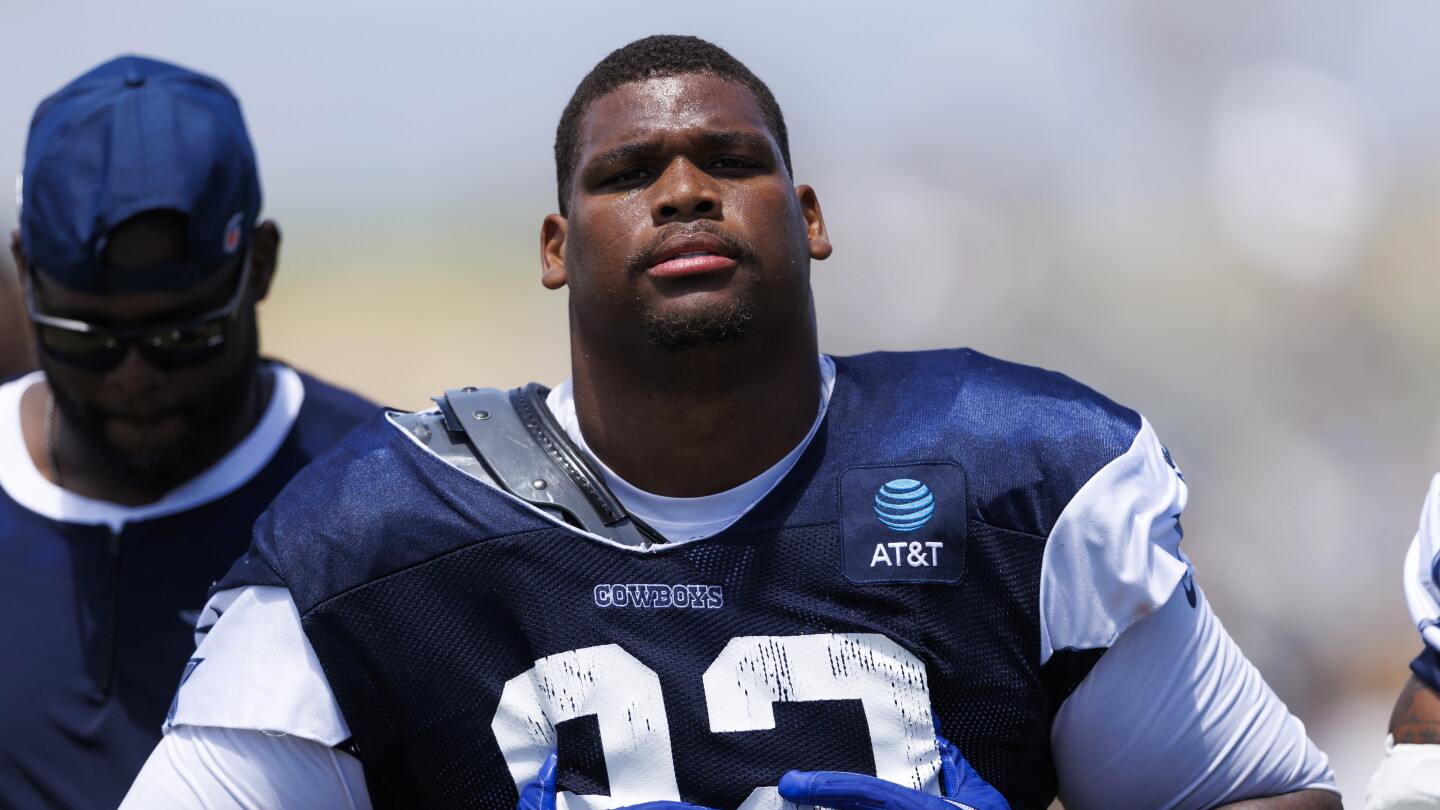
Quinnen Williams Contract: Cowboys Bet Big on Their Front
The Cowboys just turned Quinnen Williams into a long-term pillar, and the price tag tells you how badly they needed the interior fixed.

Emeka Egbuka Fantasy Football Rankings: Why He’s Too Rich
The early redraft board is already drawing lines. Emeka Egbuka looks expensive for his current range, while Derrick Henry still feels like a weekly profit machine.

Detroit Lions preseason opener: players with most to gain or lose
Detroit’s preseason opener against Cincinnati is more than a tune-up. For several Lions, it is a small stage with very large consequences.