
Billy Ray Smith Death: Former Chargers LB Dies at 64
A big man with a bigger grin left the room far too soon.
 Leo Lupo5 min read
Billy Ray Smith didn’t just wear a Chargers uniform. He wore the city of San Diego like he meant it. Big frame, bigger voice, and a kind of presence that filled a room before he even got to the microphone. Now he’s gone at 64, and the football part of the story feels almost too small for the man the city came to know.
Smith’s family says he died with dementia caused by CTE. That’s the hard edge of this thing, the part the league spent years pretending was somebody else’s problem. A linebacker from the old school, Smith played from 1983 to 1992, back when “tough” was the whole job description and nobody in the building was asking enough questions about the toll. We know better now. We still don’t do enough.
San Diego got a player who stayed
Smith came to San Diego to play football for the Chargers, and unlike so many athletes who treat one city like a layover, he made himself part of the place. He loved the city, loved the people, loved his family. That matters. Fans can sniff out a phony from two sections away. Smith wasn’t one of those polished tourists in cleats. He stayed. He worked. He became a familiar face, then a familiar voice.
The old Chargers had a certain flavor to them, and Smith fit it. Hard-nosed, a little rough around the edges, the kind of player who’d rather knock your block off than talk about it afterward. Those teams in San Diego built their reputation on personality as much as production, and Smith was in that mix when the franchise still had real roots in the city.
He wasn’t just a former player in the abstract. He became part of the local sports furniture, the guy fans expected to hear on the radio, the guy who could talk ball without sounding like he’d swallowed a media guide. That counts for something. Especially now, when too many ex-players are handed a headset and left to read filler over the air like they’re auditioning for elevator music.
The CTE part is the part nobody can wave off
Smith’s family said the dementia was caused by CTE. Say it plainly. Don’t sand it down. Don’t hide it under the usual ribbon-cutting language about bravery and sacrifice. Football chews people up. Sometimes it does it in slow motion.
We’ve been through enough of these stories to know the script by heart. The player gets celebrated. The hits get replayed. The hard years get framed as character-building. Then, years later, the family is left to explain the decline in a voice that’s too quiet for what they’re carrying. That’s not drama. That’s the bill coming due.
The game made him famous. The game also took a bite.
There’s no neat way to talk about CTE because there’s nothing neat about it. It’s ugly, it’s cruel, and it keeps reaching back into football history to remind people that “old-school toughness” was often just old-school neglect. Smith’s death doesn’t stand alone. It sits in the same long line as every other ex-player who got trapped inside the consequences of a sport that asked for everything and promised a grin.
For a sharper look at how football’s human cost keeps showing up long after the lights go out, see the earlier reporting on Billy Ray Smith Jr. and the Chargers loss and the wider league conversation around the way injuries linger.
A broadcaster’s voice can linger longer than the jersey
Not every ex-player makes the jump from field to booth. Plenty try. Most sound like they’re still calling plays in their own head. Smith had enough personality to carry the job, and enough local credibility to make it work. That’s rare. He wasn’t borrowing authority. He had earned it in pads, and fans knew the difference.
San Diego sports has had its share of icons who drifted in and out. Smith didn’t drift. He planted himself. That’s why this one hits harder than a routine obituary tucked between a transaction and a box score. People remember the linebacker, sure. But they also remember the man who kept showing up.
I’ve spent enough years around this racket to know the difference between a player who passed through and a player who mattered. Billy Ray Smith mattered. Not because he was perfect, and not because every snap turned to gold. He mattered because he represented a stretch of football when the Chargers still felt like San Diego’s own, and because he stayed connected to the city after the pads came off. That’s the real measure. The jersey gets retired by the equipment room. The memory gets kept by the people.
And let me tell you something else: the league loves to sell nostalgia, but it gets awfully quiet when the cost of that nostalgia comes due. The louder tribute is fine. The softer, harder work is making sure the next generation doesn’t walk the same road blind.
What Chargers fans will remember now
They’ll remember the old games. The hits. The linebacker who played with a certain weight to him, like the collision was part of the language. They’ll remember the broadcaster who could still make sense of the chaos. And they’ll remember a man whose family says brought joy, light, and laughter into the world. That’s the line that should stick. Not because it’s pretty, but because it’s the part that survives after the highlight tape fades.
The Chargers have been through enough identity changes to know how much of a franchise lives in memory. Smith is one of the reasons San Diego-era football still has a pulse in the minds of fans who were there. He belonged to that place, and the place belonged to him.
That’s what’s left now: the memory of a big, loud, real football life, cut short too soon. The city will say goodbye the way cities do — with stories, with grumbling, with a few laughs at the good moments. And with a little more honesty about what the game has taken.
More from Straight From The Bench
Comments
Join the conversation — sign in to leave a comment.
Sign in to commentRelated Stories
Padres Trade Deadline: San Diego’s 5-Game Surge Arrives Just in Time
The Padres have found their stride at the exact moment the deadline starts whispering in every clubhouse. Now comes the harder question: does this heat buy calm or provoke action?
.jpg?w=1120&h=630)
Taysom Hill Saints Goodbye: Free Agency Ends an Era
Taysom Hill’s departure closes a strange and valuable chapter in Saints football. New Orleans loses a shape-shifter who bent the playbook and the roster alike.
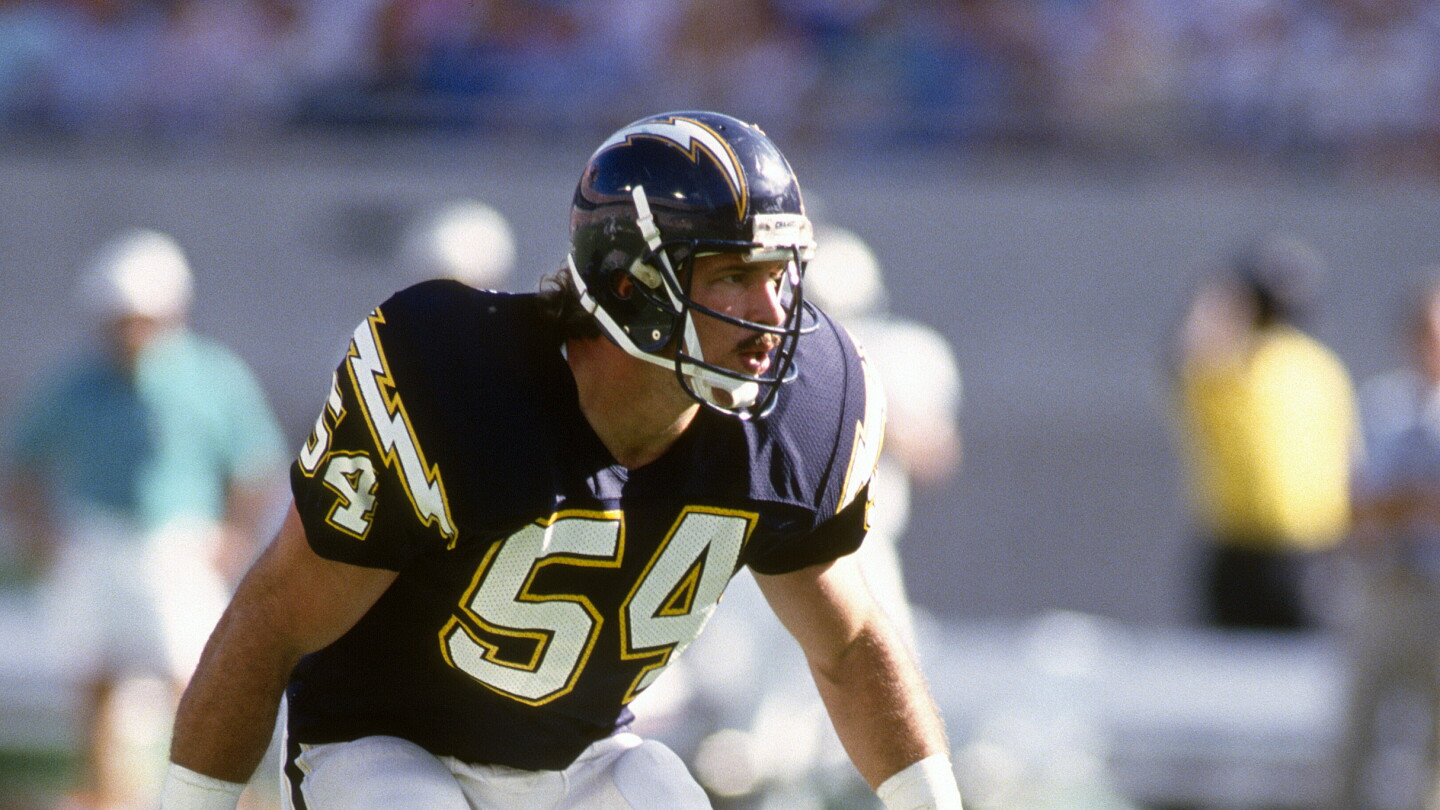
Billy Ray Smith Jr. Death: Former Chargers LB Dies at 64
Billy Ray Smith Jr., a former Chargers linebacker and son of an NFL family, has died at 64. He was part of a different football era, and the league still carries that stamp.