Brewers and Rays World Series Liability: Sportsbooks Sweat
Two long-shot darlings just turned the betting board upside down.
 Zane Miller5 min read
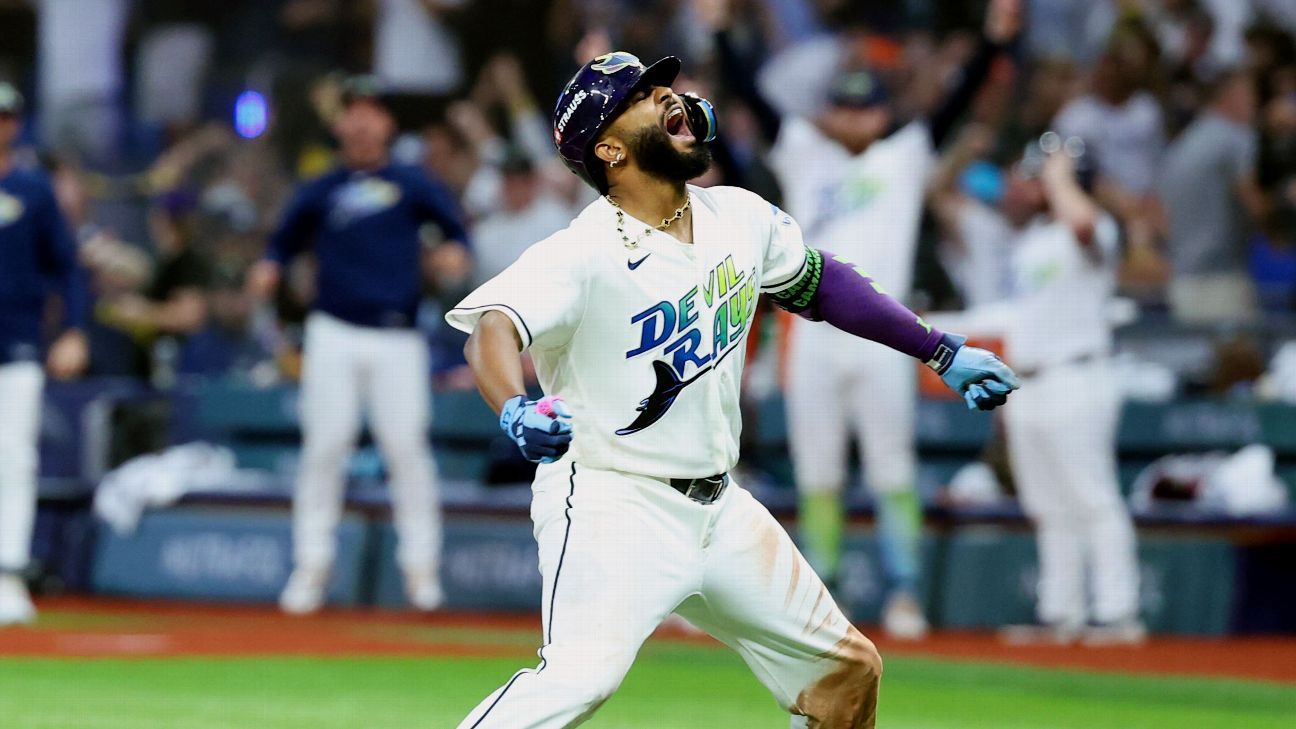
The Milwaukee Brewers and Tampa Bay Rays didn’t just win a pennant race. They flipped part of the betting market on its head. Both clubs opened the regular season as long-shot championship plays, the kind of teams that attract casual lottery tickets and sharp nibble money, not serious title expectations. Now they’re the ones carrying sportsbook liability into the 2026 World Series.
That matters. A lot. Because this isn’t just about two teams getting hot at the right time. It’s about the way the market mispriced them in April, then had to live with the result when the baseball calendar finally got around to rewarding depth, pitching, and clean roster construction.
The market loved the wrong kind of certainty
Baseball futures always punish arrogance. You can look at a roster and convince yourself the obvious names will sort it out by August. Then the season starts grinding, injuries happen, a lineup goes cold for three weeks, and suddenly the efficient, well-run club is the one standing there in October.
That’s the lane Milwaukee and Tampa Bay live in. They aren’t built like the teams that dominate preseason chatter. They don’t usually win the offseason press conference. They win with run prevention, player development, and roster math that plays over 162 games. That’s why the books got exposed. The teams that looked safe on paper were not always the teams that stayed healthy, adjusted fastest, or hit their peak at the right time.
If you’ve been following the league’s unpredictable postseason arcs, this fits the broader theme. We’ve already seen how thin the margin is for supposedly sturdier contenders. Our NFL power rankings note on offense strangling the league talked about how the best-laid plans can get jammed up by one bad stretch. Baseball does it over a longer runway. Same pain, slower burn.
Why sportsbooks hate these teams right now
When a team like Milwaukee or Tampa Bay takes the scenic route from underdog to contender, the books don’t just lose on one series. They spend months absorbing futures risk from anyone who caught the number early. Those tickets sit there like a live wire.
That’s the brutal part for oddsmakers. The liability isn’t only from big money. It’s from volume, from smart bettors who grabbed value before the market tightened, and from the retail crowd that always likes to tell itself it found a sleeper. Once those clubs keep winning, the exposure compounds. By the time October arrives, the house is already holding a ticket it doesn’t love.
And make no mistake: Milwaukee and Tampa Bay are exactly the kind of teams that create that problem. The Brewers have long sold the league on pitching-first discipline and roster fit. The Rays, as always, are baseball’s laboratory with a pulse. Different identities, same result: teams that can survive the 162-game slog better than flashy rosters that depend on everything going right.
The contrast with the Tampa Bay Rays pennant run is obvious. Once the roster starts winning in a pressure environment, the questions shift fast from “Can they get there?” to “Can anybody slow them down?” That’s where sportsbook pain begins.
The market didn’t just miss on two contenders. It underestimated the kind of baseball that survives October.
Why this path makes sense for both clubs
Here’s the quiet truth: these aren’t miracle teams. They’re systems.
That’s why their rise is so uncomfortable for everyone else. Milwaukee and Tampa Bay don’t need a superhero performance every night. They need their process to stay intact. Quality starting pitching. Bullpen leverage. Defensive efficiency. Enough contact to avoid the feast-or-famine trap. When those pieces hold, the margin for error gets wide fast.
This is where a lot of contenders get exposed. Big-market clubs can survive bad roster construction for months because they can buy their way around it. These teams don’t operate that way. They have to be sharper. Which means when they hit their gear, they often look more repeatable than the expensive teams trying to power through bad habits.
That’s why the liability story is really a roster story. The books are reacting to a reality the front offices already knew: these teams were never as distant from a title as the preseason numbers suggested.
My read: this is what smart baseball looks like now
I’ve been around long enough to see the market fall in love with name value and then get embarrassed by baseball’s randomness. This feels like another one of those seasons where the best-run clubs cash in while everyone else is still trying to explain why their projections looked prettier in March.
Milwaukee and Tampa Bay are proof that the sport still rewards clean infrastructure. Development matters. Pitching depth matters. Flexibility matters. The public loves stars, and the books love balance, but October has a nasty habit of favoring teams that can keep turning over the lineup without losing their identity.
If you’re looking for the larger signal, it’s this: the gap between “good organization” and “championship threat” is shrinking. These clubs used to be framed as cute. Now they’re a problem. That changes how future markets get set, how bettors approach the long game, and how executives build rosters that can survive the modern grind.
It also changes the tone around the rest of the league. Once two underdog clubs force the betting market to take the hit, everybody else starts getting priced with a little more respect. Maybe that’s good for the books. Maybe not.
Either way, the damage is done.
The next move is simple: see whether the market finally adjusts before these teams cash another ticket. Because if Milwaukee and Tampa Bay keep rolling, the liability won’t stay theoretical for long.
More from Straight From The Bench
Comments
Join the conversation — sign in to leave a comment.
Sign in to commentRelated Stories
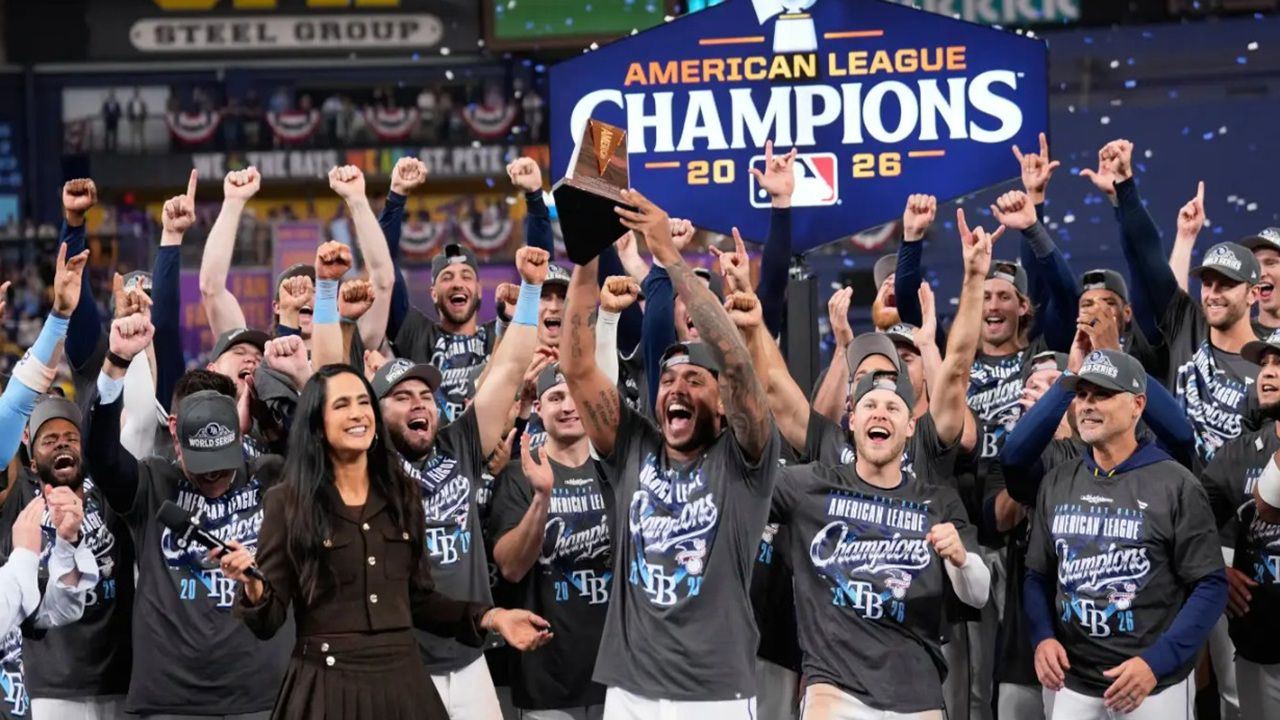
Tampa Bay Rays Pennant Win: World Series Trip Brings Big Test
Tampa Bay took care of Cleveland and grabbed the American League pennant. The [Rays](https://en.wikipedia.org/wiki/Tampa_Bay_Rays) now head into a World Series that will tell us plenty about their ner
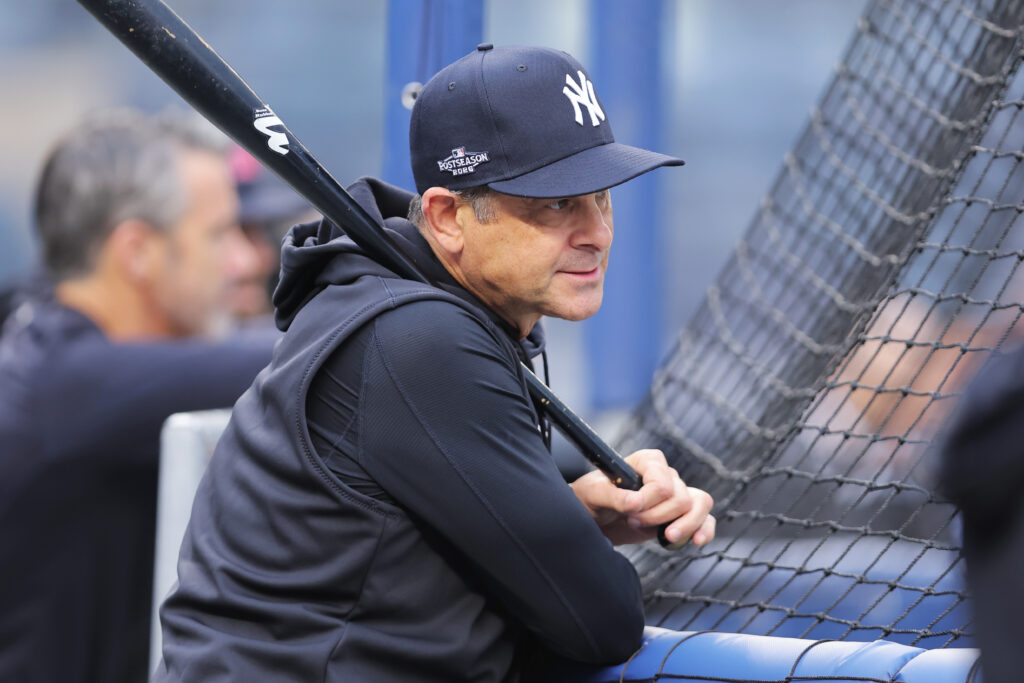
Aaron Boone Return: Yankees Keep Their Dugout Plan Intact
The Yankees are sticking with Aaron Boone, choosing continuity over another winter of upheaval. In the Bronx, that is never just a baseball decision.
Giants release Najee Harris: what the running back move means
The Giants are moving on from Najee Harris after his gripe over touches. That says plenty about leverage, fit, and how little patience teams have for backfield friction.