
Brewers Logan Henderson Decision: Why Passing on Skubal Worked
Milwaukee bet on its own arm. This weekend made the front office look sharp.
 Zane Miller5 min read
The Brewers didn’t just survive the deadline debate. They flipped it on its head.
For weeks, the league had Milwaukee boxed into a simple storyline: either push chips in for Tarik Skubal or get labeled timid. Instead, the Brewers stayed put, kept Logan Henderson in the system, and walked out of Dodger Stadium with a very different kind of win. Not a transaction win. A front-office win. The kind that lingers because it says something about how this organization sees value, and how much it trusts its own development pipeline.
That matters more than the hot-take crowd wants to admit.
Milwaukee chose control over panic
This is what smart clubs do when the market gets loud. They don’t confuse urgency with intelligence.
Tarik Skubal would’ve been a headline. Maybe a thunderclap. But the price tag on elite pitching at the deadline is never just prospects — it’s years of cost-controlled depth, flexibility, and the chance to keep finding cheap wins while the roster is still manageable. Milwaukee knows that formula better than most. They live in it.
And that’s why this weekend felt bigger than one outing from Henderson. It was proof of concept. The Brewers have spent years acting like a team that understands the difference between a good pitcher and a necessary one. They didn’t need to mortgage their future for the optics of a rotation upgrade if they believed the internal answer could arrive on schedule.
The timing also matters. Clubs with smaller payroll lanes can’t afford to chase every shiny deadline splash. If the Brewers had dealt Henderson and then watched him blossom somewhere else, that would’ve been a self-inflicted wound. Instead, they held firm. Now they get to point to him and say: the pipeline still works.
Henderson didn’t just save face, he changed the math
This is where the market gets interesting.
A prospect isn’t just a prospect in a front office meeting. He’s a line item in a much larger model. Can he become a starter? Can he give you innings at league-minimum money? Can he reduce the need to shop for pitching in a winter market that punishes everyone? Henderson flashing at the right moment nudges all of those answers in Milwaukee’s favor.
That’s especially important for a club that has built its reputation on squeezing every ounce out of roster spots. The Brewers have never been able to play the same financial game as the Dodgers or Yankees. So they play the smarter one. They stack value, trust scouting, and bet on development cycles instead of buying certainty when the price is ridiculous.
Henderson’s emergence also changes how other teams view Milwaukee. If you’re an executive across the league, you don’t just see a team that passed on a star. You see a team that may have identified its own answer before the rest of the room finished arguing about it.
Milwaukee didn’t dodge the big swing. It refused to overpay for someone else’s problem.
Why the Dodger Stadium stage made it louder
Beating the storyline in a normal August game would’ve been nice. Doing it in Los Angeles makes it stick.
Dodger Stadium has a way of turning every organizational decision into a referendum. If the Brewers stumble there after passing on Skubal, the narrative hardens fast: too conservative, too cautious, too attached to the minors. If Henderson shows out and the Brewers compete anyway, the whole script gets rewritten.
That’s what happened here. The setting gave the moment teeth. This wasn’t just about one player proving he belongs. It was about a front office showing it can absorb public pressure and not flinch. A lot of clubs would have reacted to the noise. Milwaukee stayed with its board.
And let’s be honest: baseball people notice that stuff. Agents notice it. Rival decision-makers notice it. Players notice it, too. When a team resists the urge to overreact, it sends a message to the clubhouse and the industry. There’s a plan here. There’s discipline here. And yes, there’s conviction.
My read: this is how sustainable contenders behave
I’ll say it plain: I like this call.
Not because Skubal isn’t the better pitcher. Of course he is. This is not a referendum on talent. It’s a referendum on cost, timing, and whether you’re willing to break your own infrastructure for one swing at the trade deadline. The Brewers, from where I sit, played the smarter long game.
I’ve covered enough deadline seasons to know how these get judged in real time. Fans want the loud move. Media rewards the loud move. Sometimes the loud move works. Often it just burns a hole in the depth chart and leaves the front office trying to explain away a thinner future.
Milwaukee’s identity has always been tied to staying competitive without pretending it can buy a shortcut. That’s the part that separates stable organizations from desperate ones. They know when to strike — and when not to chase the market because everyone else is screaming. This feels a lot like the kind of decision that keeps a team in the conversation in September and October instead of just in the rumor mill.
The other angle here is confidence. Passing on a star only looks smart if your own talent answers the call. Henderson did exactly that. Now the Brewers can sell both the present and the process, which is a rare luxury in a sport that usually forces you to choose one or the other. If you want more of the roster-context side of this kind of move, the Von Miller Cowboys signing breakdown shows how differently teams can approach urgency when the stakes get loud.
Milwaukee doesn’t need this to become a fairy tale. It just needs Henderson to keep turning a hard decision into a correct one. So far, that’s exactly where this is headed.
The Brewers kept the arm, kept the flexibility, and kept the faith. That’s how you build leverage. And right now, they’ve got it.
More from Straight From The Bench
Comments
Join the conversation — sign in to leave a comment.
Sign in to commentRelated Stories

Tommy John obituary: the surgery that changed baseball forever
Tommy John was more than a pitcher with a famous procedure attached to his name. He became a hinge between baseball’s old body and its modern one.
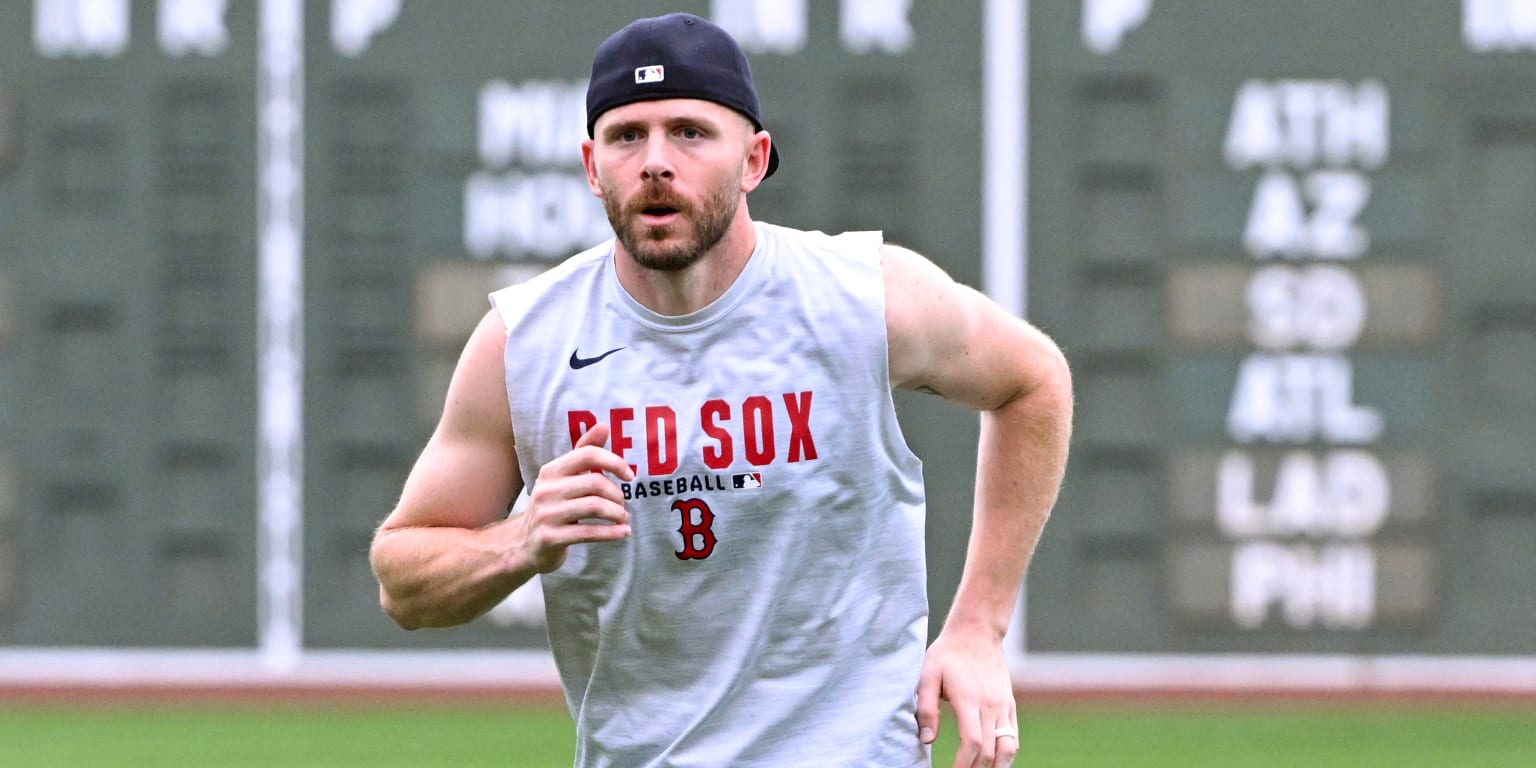
Red Sox injury update: Anthony, Story, IKF set for rehab stints
Boston is finally getting some bodies back, and that matters. Roman Anthony leads the way, with Trevor Story and IKF also headed for rehab work.

Red Sox injury update: Trevor Story, Roman Anthony, Kiner-Falefa set for rehab
Trevor Story, Roman Anthony and Isiah Kiner-Falefa are starting minor league rehab assignments, a small but meaningful sign for a Red Sox club still trying to become whole.