
Red Sox injury update: Trevor Story, Roman Anthony, Kiner-Falefa set for rehab
Boston’s season keeps waiting for its missing pieces to walk back through the door.
 Beatrice Kensington6 min read
The Red Sox have spent enough of this season assembling lineups like a mechanic working from a drawer of mismatched screws. Pieces have come and gone. Names have disappeared from the card, then reappeared in the soft language of recovery. Now Trevor Story, Roman Anthony and Isiah Kiner-Falefa are headed for minor league rehab assignments, and in Boston that counts as both news and weather: the forecast has changed, and you can feel it in the air.
Interim manager Chad Tracy framed it plainly before the Red Sox beat the Pirates 4-0. Good players getting healthy is a good sign. He is right, of course, though “good sign” undersells the way roster health can alter a season’s emotional temperature. A club does not merely gain bodies when the injured list thins. It gains options, pressure, competition, and, if the timing is right, a little of that lost confidence that creeps out of a dugout when replacements have been asked to do too much for too long.
Trevor Story’s return could change the spine of the lineup
Story’s name carries a particular weight in Boston because the Red Sox have spent too many months wondering what this team looks like when he is actually on the field rather than sitting in the margins of the plan. A healthy Story gives the infield a steadier center of gravity and the lineup a veteran bat with real middle-order implications. He is not just another rehab assignment; he is one of the players whose availability can shift everybody else one spot, one role, one breath forward.
That matters more than people admit. Teams do not simply get better when a star returns. They get re-sorted. A lineup that has been patched together with hot streaks and necessity starts to look less like an experiment and more like an order. In a sport where timing is everything, that can be worth a run or two before the first pitch is even thrown.
Boston has seen versions of this movie before, and it rarely ends with a single dramatic scene. The better versions unfold in increments: a rehab stint here, a clean defensive inning there, a burst of contact that reminds everyone what the original plan looked like. Story’s path back will matter not just for the numbers he posts, but for whether the Red Sox can stop treating the left side of the infield like a temporary housing situation.
Roman Anthony and the patience game Boston keeps playing
Anthony’s rehab assignment carries a different sort of charge. He is not the established veteran Story is, but he is also not merely a name to file away for some distant future. Young players on the rise create a different kind of anticipation because they represent both present help and next-year hope, and the Red Sox have been living in that tension for a while now.
There is always a temptation to treat a top prospect like an arriving hero, as if the first call-up is supposed to solve a structural problem. Baseball is cruel to that fantasy. The majors demand adjustment, and the adjustment demands patience, and patience is the one commodity fan bases cannot stockpile. Still, Anthony’s return to game action is meaningful because it gives Boston a chance to see where he stands physically, how he responds to live pitching, and whether the club can begin imagining a fuller offensive shape with him in the picture.
The Red Sox have been waiting on healthier days long enough that even a rehab report feels faintly like a dividend. That is the cost of a season spent balancing ambition against attrition.
Health is not a subplot in baseball. Health is the plot.
Isiah Kiner-Falefa gives the roster a little more structure
Kiner-Falefa’s rehab assignment may not provoke the same buzz, but it speaks to a quieter truth about competitive teams: they need players who make the bottom of the roster behave like a working part rather than a leaking seam. He has built a career on versatility and competence, and that is precisely the sort of profile a club appreciates when the depth chart has been forced to stretch.
The Red Sox have leaned on patchwork enough that the return of a reliable utility presence could ease some of the stress on the bench and the defensive alignment. When injuries pile up, it is often not the marquee names alone that matter. It is the secondary pieces, the men who let the manager keep the inning from wobbling. Kiner-Falefa can be that kind of stabilizer.
Boston’s current posture makes this interesting. This is no longer only about surviving absences. It is about whether the club can convert these returns into a sharper, more balanced team before the schedule hardens around them. Rehab assignments are not finishes; they are auditions for how quickly the Red Sox can stop improvising.
What this means for Chad Tracy and the rest of the dugout
For Tracy, this is the kind of development that gives a manager room to breathe without pretending the job has become simple. His comment before the win over Pittsburgh had the plain cadence of a man who knows the next few days matter more than the last few quotes. The test is not whether these players can begin rehab outings. The test is whether they come through them cleanly and ready enough to help.
That is why this moment links so neatly to the rest of Boston’s injury storyline. The Red Sox have spent stretches trying to operate without a full complement, the way other teams might try to run an orchestra after lending out half the brass section. Every return has to be handled with care, especially when the club cannot afford another setback. If you want a reminder of how precarious a season can feel when the roster keeps thinning, look at the kind of uncertainty that has hovered around Jaxson Dart’s injury updates in another sport entirely: fragile health changes the script faster than any manager can.
Beatrice Kensington’s view: teams often talk about “getting healthy” as if health were a finish line rather than a condition that must be earned, guarded, and re-earned. I have long believed that the most revealing part of any season is not how a club plays when everything is working, but how it behaves while waiting for its own pieces to return. That waiting exposes the truth. It shows which teams can survive inconvenience and which ones need perfect conditions to look like themselves.
Boston, for all its inconsistency, still has a chance to look like a real club rather than a collection of stopgaps. That is not a small thing in August. It is the difference between coasting through the final weeks and entering them with a pulse.
The Red Sox do not need miracles. They need clean rehab outings, steady hands, and a little continuity. If those arrive, the rest of the season can start to feel less like repair work and more like a team taking shape.
The door is open now. The only question is who walks through it first, and how ready they are to stay.
More from Straight From The Bench
Comments
Join the conversation — sign in to leave a comment.
Sign in to commentRelated Stories
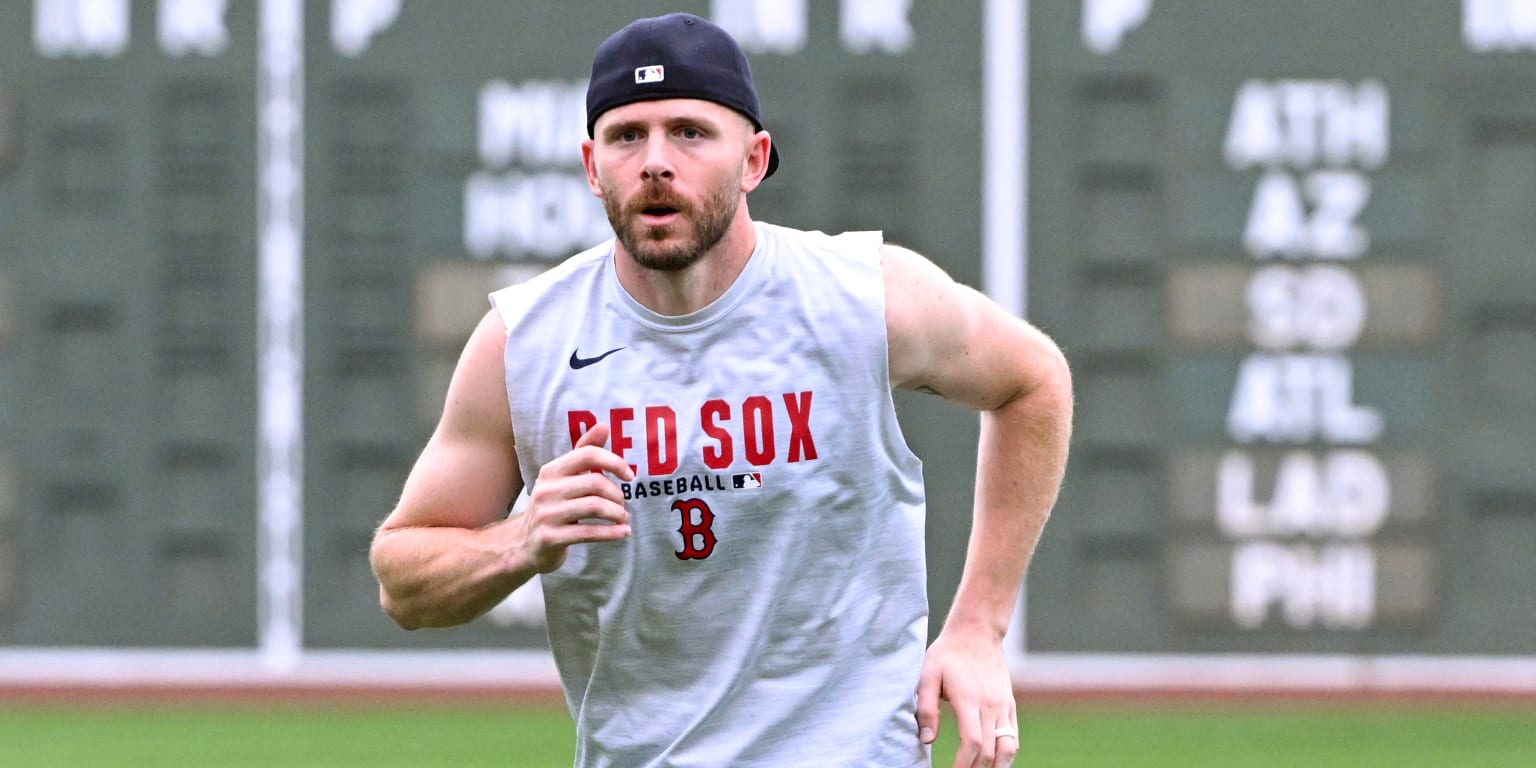
Red Sox injury update: Anthony, Story, IKF set for rehab stints
Boston is finally getting some bodies back, and that matters. Roman Anthony leads the way, with Trevor Story and IKF also headed for rehab work.
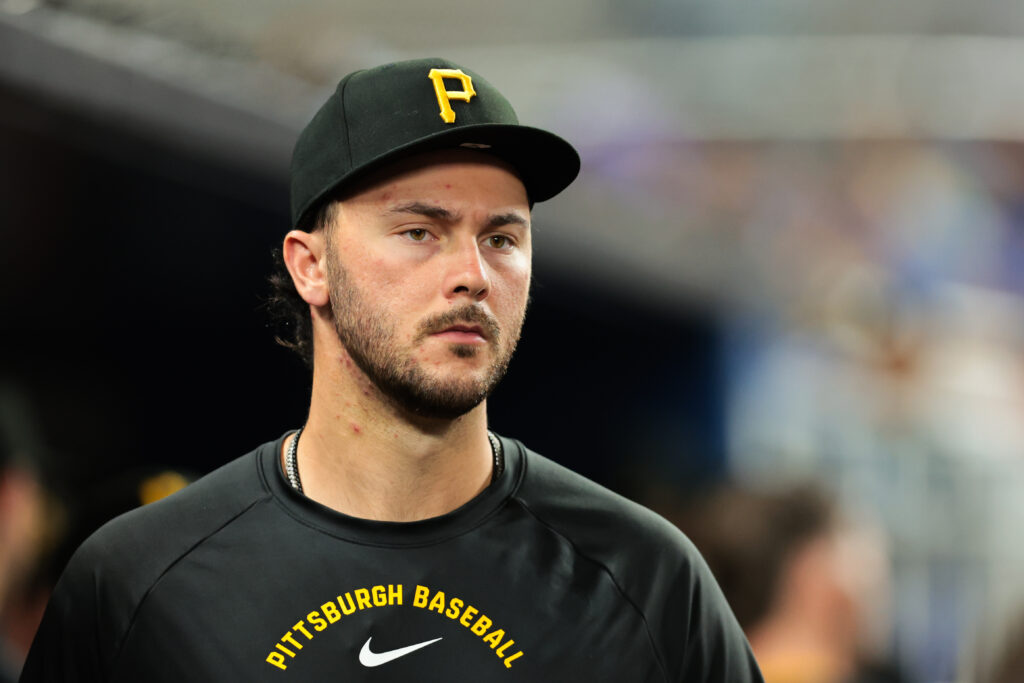
Paul Skenes Start Update: Pirates Push Back Ace vs. Red Sox
The Pirates are skipping Paul Skenes’ scheduled start after a rough outing earlier this week. It’s a small move on paper, but it tells you how carefully Pittsburgh is managing its biggest arm.
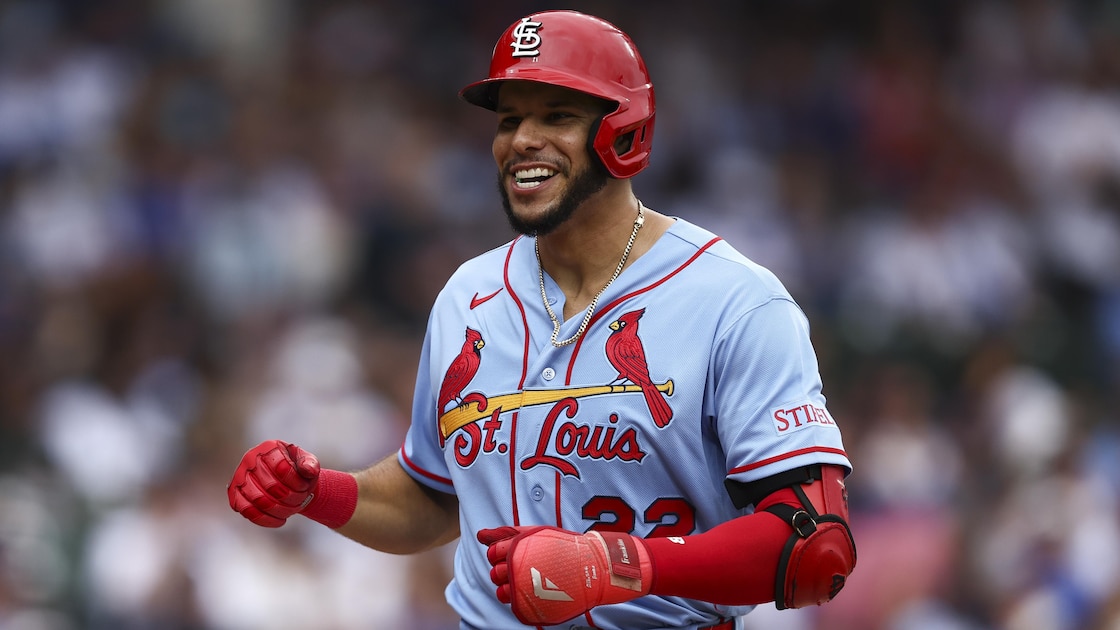
Cardinals Joshua Báez MLB History: 3 HRs in 3 Straight At-Bats
Joshua Báez didn’t just debut. He detonated. Three straight at-bats, three home runs, and suddenly the Cardinals have a new conversation on their hands.