
Blue Jays Vladimir Guerrero Jr. Concussion IL: What It Means
Toronto’s lineup loses its anchor, and that’s never a small thing.
 Leo Lupo5 min read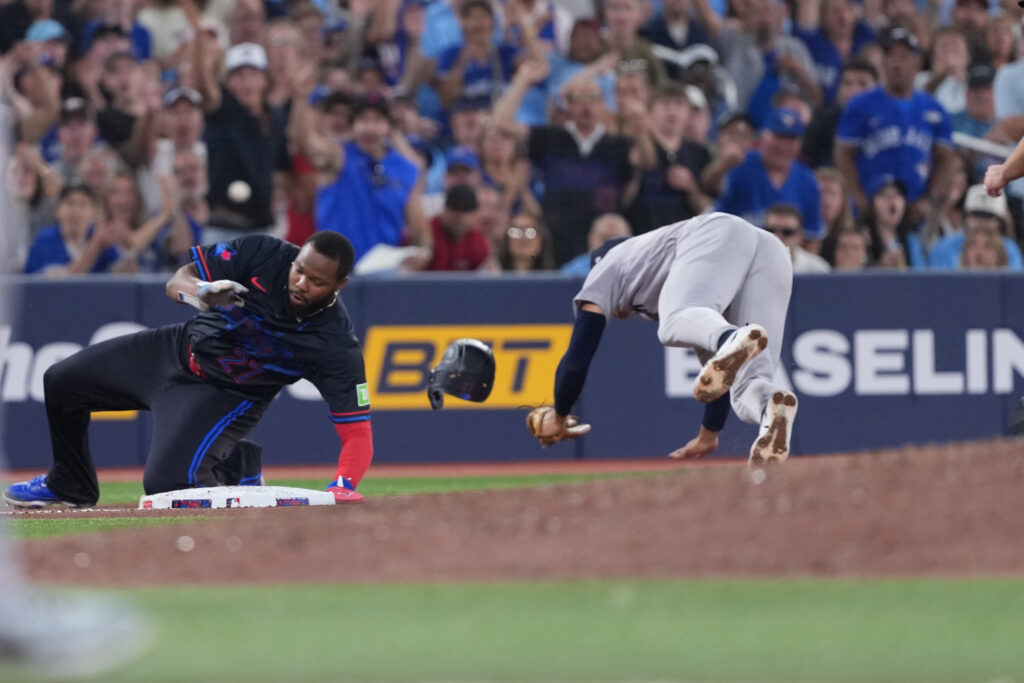
The Blue Jays didn’t just lose a bat. They lost the big friendly boulder in the middle of the order, the guy who forces pitchers to breathe a little harder when they see his name on the card. Vladimir Guerrero Jr. going on the seven-day concussion IL is the sort of move that lands with a thud, because it changes how the whole lineup feels, not just who takes first base on a given night.
Toronto made the roster shuffle afterward, bringing up Daz Cameron to help patch the deck. That’s the business part of it. The human part is simpler: anytime a player goes into concussion protocol, the only real scoreboard that matters is health. Everything else is dust in the wind. But the baseball side still matters, because teams don’t get to pause the season while they check the wiring.
Guerrero’s absence hits more than the box score
Blue Jays fans know what Vladimir Guerrero Jr. means to this club. He’s not just the middle-of-the-order thump. He’s the face, the weight, the guy opposing staffs plan around. Take him out for even a week and suddenly everybody else gets pitched a little differently.
That’s the trick with a star like Guerrero. His value isn’t only the hits he racks up. It’s the way he warps an inning. A pitcher nibbling around him might end up walking the guy behind him. A bullpen arm gets burned earlier. One big bat changes the math on three or four other hitters without ever swinging.
Toronto has lived this long enough to know the script. When the lineup gets top-heavy, every soft spot starts showing. A contender can survive one missing star for a spell, sure. But if the replacement production turns into empty outs and moon-eyed hope, the standings start telling their own little horror story.
The concussion IL is about caution, not drama
There’s no sense pretending otherwise. Concussions are not a “day-to-day” shrug and a bag of sunflower seeds. Baseball has gotten better about treating head injuries like head injuries, which is the bare minimum a grown league should do. The seven-day concussion IL exists for a reason, and the reason is that nobody wins by rushing a player back before his head clears.
That means the Blue Jays are doing the right thing even if it complicates the roster. It also means there’s no clean timeline to sell to the crowd. Seven days is the window, not the promise. If you’ve covered this sport long enough, you know the rule: heads don’t read calendars.
Toronto can survive the loss of a bat. It can’t afford to treat a concussion like a sore wrist.
Daz Cameron gets the call, but the real question is offense
Bringing up Daz Cameron gives Toronto another body, another outfield option, another way to keep the machine moving without putting every inning on a coffee break. Fine. Necessary. But let’s not kid ourselves and turn a roster transaction into a parade.
Cameron’s presence tells you the club wants flexibility while Guerrero is out. Maybe that means shuffling the outfield, maybe it means giving someone a day off from time to time, maybe it means playing some matchup baseball and hoping the rest of the roster carries the slack. That’s all practical. None of it replaces Guerrero’s production.
This is where the middle-tier bats get their chance to stop being polite. Somebody has to pick up the slack. The Jays don’t need everybody to pretend they’re a star. They need a few hitters to stop rolling over on the first breaking ball they see and actually cash a runner in from second once in a while. Simple as that. Harder than it sounds, which is why clubs keep paying premium prices for premium bats.
Toronto fans asking what comes next should be watching two things: first, whether the club can stay patient with Guerrero’s recovery; second, whether the lineup shows any backbone without him. You can survive one missing star if the rest of the group bites down and grinds. If they start swinging like they’re waiting for someone else to save them, then the trouble grows legs.
The bigger picture for Toronto is familiar and uncomfortable
I’ve been around long enough to remember when teams used to treat every injury report like a state secret and every lineup move like a magician’s trick. This one isn’t that mysterious. The Jays are down a major piece, and the replacement is a depth move, not a rescue boat. Baseball has a way of humbling teams that think one man can do too much, and then humbling them again when that man goes missing.
That’s the part Toronto keeps flirting with year after year. The club has enough talent to look dangerous and enough rough edges to make you squint. Guerrero has often been the brightest line in the building, which is great until the building needs electricity everywhere else. If the Jays are serious about hanging in the race, this is one of those stretches that asks for grown-up baseball: cleaner at-bats, sharper defense, and no boo-hoo excuses because the star is in the trainer’s room.
I’ll tell you this much from a long life on the beat: teams reveal themselves when the easy run of the schedule meets an injury like this. Some clubs panic and start trying to win the whole month in one night. Others tighten the screws and keep the train on the tracks. Toronto doesn’t need heroics. It needs competence. That sounds dull, and it is. Dull is usually what saves a season.
The good news? A seven-day IL stint is not a death sentence, just a warning flare. The bad news? The Jays have to prove they can keep the lights on without the guy who powers half the room.
Keep an eye on the next lineup card. That little piece of paper will tell you plenty about how serious Toronto is about surviving this patch.
More from Straight From The Bench
Comments
Join the conversation — sign in to leave a comment.
Sign in to commentRelated Stories
Aces vs. Rainiers Final Score: Seattle’s Bats and Arms Take Over
Rainiers rolled past the Aces at Cheney Stadium, turning a routine box score into a lesson in pace, patience, and command.
Mariners vs Astros: Walkoff Homer Stuns Seattle in Extras
The Mariners had the game lined up, the bullpen where they wanted it, and the finish line in sight. Then Houston turned one swing into a gut punch.
Vladimir Guerrero Jr. Injury Update: Concussion Protocol After Collision
Vladimir Guerrero Jr. left Friday’s win over the Yankees after a messy collision at third and is now in concussion protocol. For Toronto, the timing is lousy and the margin for error is thin.