
Aces vs. Rainiers Final Score: Seattle’s Bats and Arms Take Over
A lopsided night that said more about pressure than one line score.
 Beatrice Kensington5 min read
The scoreline at Cheney Stadium was blunt: Aces 1, Rainiers 6. But the numbers alone miss the texture of a night like this, the kind that settles over a ballpark with the weight of damp grass, late shadows, and a home club that seems to know exactly where the game is headed before the visitor has found its footing. Seattle’s affiliate did not merely win; it dictated the terms, and that distinction matters.
The Rainiers never let the Aces breathe
Baseball can be a mercilessly simple sport when one side arrives with sharper command and a cleaner plan. The Rainiers did not need fireworks. They built their advantage one controlled inning at a time, the way a careful mason sets stone: no wasted motion, no panic, no opening for the other dugout to believe in momentum. A six-run cushion in a game like this is less a burst than a verdict.
For the Aces, the lone run almost feels like an accounting entry rather than a rallying cry. There is a particular discouragement in scoring once and still never really being in the game. The scoreboard becomes a hard surface. Every quiet inning after that asks the same question: where, exactly, was the breach supposed to come from?
The home club’s edge was not only production, but timing. In a game built around rhythm, the Rainiers found it. The Aces never did.
What a 6-1 game tells us beyond the box score
A lopsided final can flatter the winner and embarrass the loser, but it also reveals the shape of a roster in miniature. In these August games, when fatigue has soaked into the schedule and every club is trying to squeeze meaning out of the final weeks, performance tends to show its true outline. The teams that separate themselves usually do it with the things that do not photograph well: strike throwing, disciplined at-bats, steady defense, and the refusal to give away outs.
That is the quiet virtue of this kind of win for Tacoma. It does not shout. It reinforces. It tells the pitchers in the bullpen that an early mistake will not become a catastrophe, and it tells the lineup that a few patient innings can turn into a crooked number without needing chaos to carry the day.
For the Aces, the lesson is harsher. A 6-1 loss rarely stems from one ugly inning alone. More often it is the accumulation of small failures — a missed spot, a stranded runner, a defensive play that should have shortened the frame. Those are the little leaks that sink an otherwise passable night. Baseball, especially at the margins of a long season, has no sympathy for leaks.
The difference between a sturdy team and a stranded one is often only a handful of pitches.
Cheney Stadium and the value of home control
There are ballparks that amplify disorder, and there are ballparks that reward teams for settling in. Cheney Stadium has long felt like a place where the home club can lean on familiarity, where the routines are known, the sightlines trusted, and the night air belongs to the people in the home dugout. That edge is not mystical. It is practical. Players who know the corners, the background, the bounce off the wall, and the tempo of their own park tend to play with a touch less uncertainty.
That matters in the minor leagues and the upper levels alike, where confidence is a currency and consistency often separates players on the threshold from those still knocking at the door. Nights like this are not just about one club stacking runs. They are about a professional environment doing what it is supposed to do: teach which habits travel and which ones do not.
The official box score and pitch-by-pitch detail available for this matchup tell the same story in different languages. Baseball today is rich with data, and rightly so. Statcast does not erase the human part of the game, but it sharpens it. It shows whether the dominance was structural or merely lucky, whether a pitcher was painting or surviving, whether a lineup was seeing the ball or just swinging at weather.
Why this result matters now
Late-season games in August have a way of sorting pretenders from contenders, even when the standings say the race is still alive. A 6-1 win can carry less immediate drama than a one-run affair, but it often says more about sustainability. The Rainiers were organized. The Aces were not. That is the part worth remembering.
I have always believed these are the games where baseball is most honest. Not the national TV showcase, not the October theater, but the ordinary mid-August night where one team executes cleanly enough to make the other look impatient. The sport’s deepest truths do not always arrive in the dramatic form fans prefer. Sometimes they arrive as a tidy, unromantic beating.
And if you have covered enough baseball, you learn to distrust the temptation to call every comfortable win a statement. Some nights are only a confirmation of baseline competence. Still, baseline competence is how serious clubs are built, whether the stage is MLB or a minor league park under a low Western sky. The clubs that can repeat good habits are the ones that keep their season from fraying in the heat.
For readers tracking other late-summer pressure points, the same kind of composure-and-consequence theme has been running through our coverage of Cardinals Joshua Báez promotion and the Falcons’ roster turbulence in James Pearce Jr. suspension. Different sports. Same old truth. When the calendar tightens, structure becomes personality.
The Rainiers walked off with a result that looked routine on paper and revealing in practice. The Aces will need more than a cleaner box score next time. They will need sharper edges, sooner.
That is the work waiting for both clubs.
More from Straight From The Bench
Comments
Join the conversation — sign in to leave a comment.
Sign in to commentRelated Stories
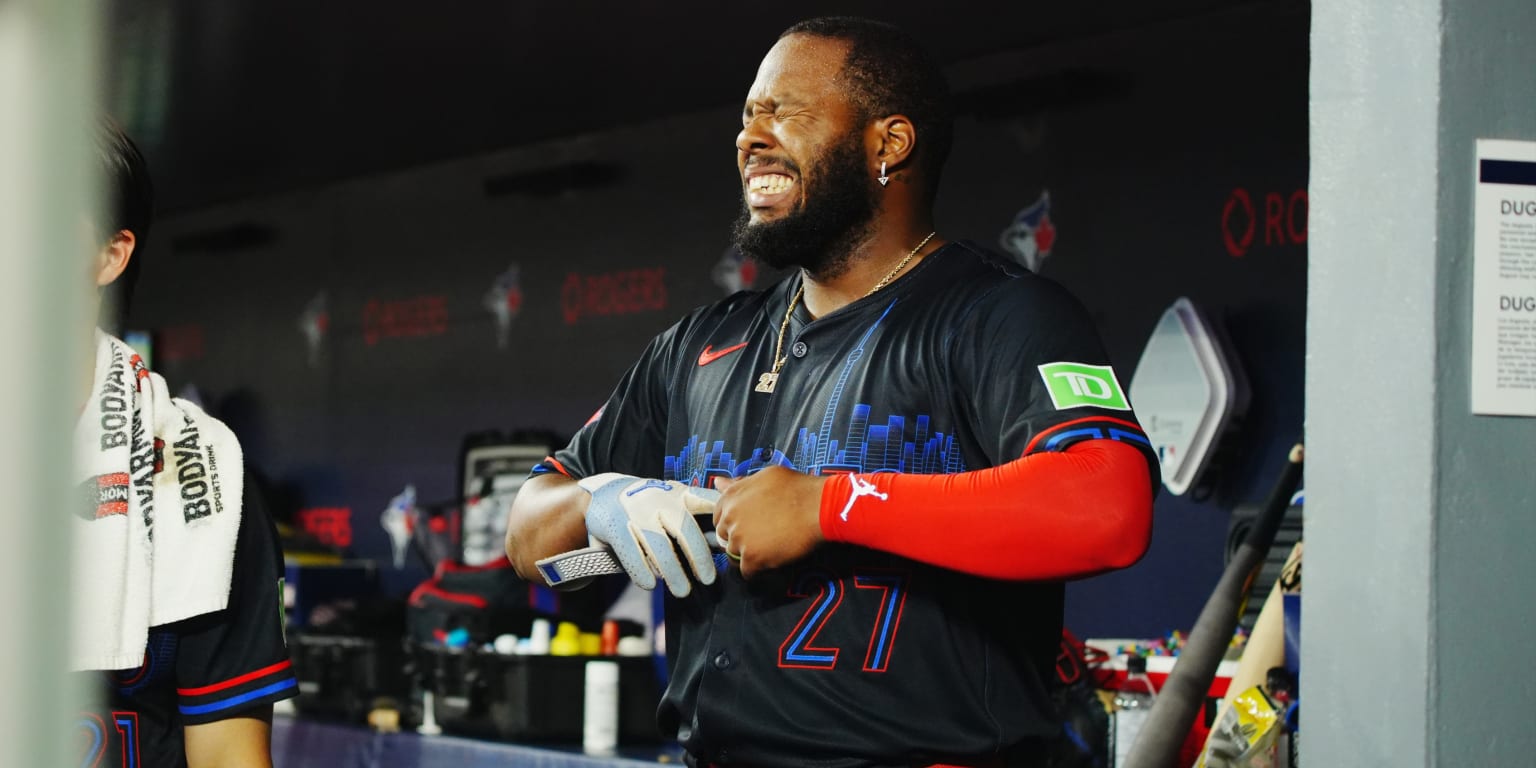
Vladimir Guerrero Jr. Injury Update: Concussion Protocol After Collision
Vladimir Guerrero Jr. left Friday’s win over the Yankees after a messy collision at third and is now in concussion protocol. For Toronto, the timing is lousy and the margin for error is thin.
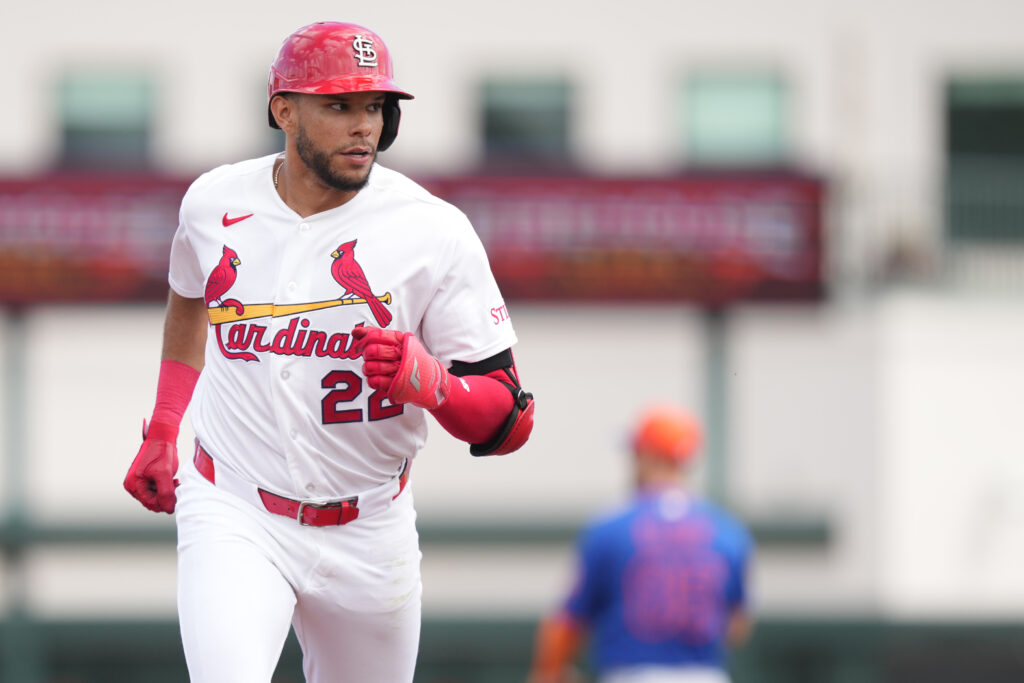
Cardinals Joshua Báez Promotion: Power, Patience, and Risk
The Cardinals are calling up Joshua Báez, a reminder that potential is cheap until it reaches Busch Stadium. Now the bat has to answer for itself.

Giants 2028 All-Star Game: MLB Chooses Oracle Park Again
Major League Baseball is bringing the 2028 All-Star Game back to Oracle Park, a nod to San Francisco’s place in the sport’s civic memory. The timing, though, carries a bigger shadow: the Olympics.