
Brewers manager Pat Murphy decision costs Game 4 lead
One wrong arm choice and a World Series clincher slipped through Milwaukee’s fingers.
 Leo Lupo6 min read
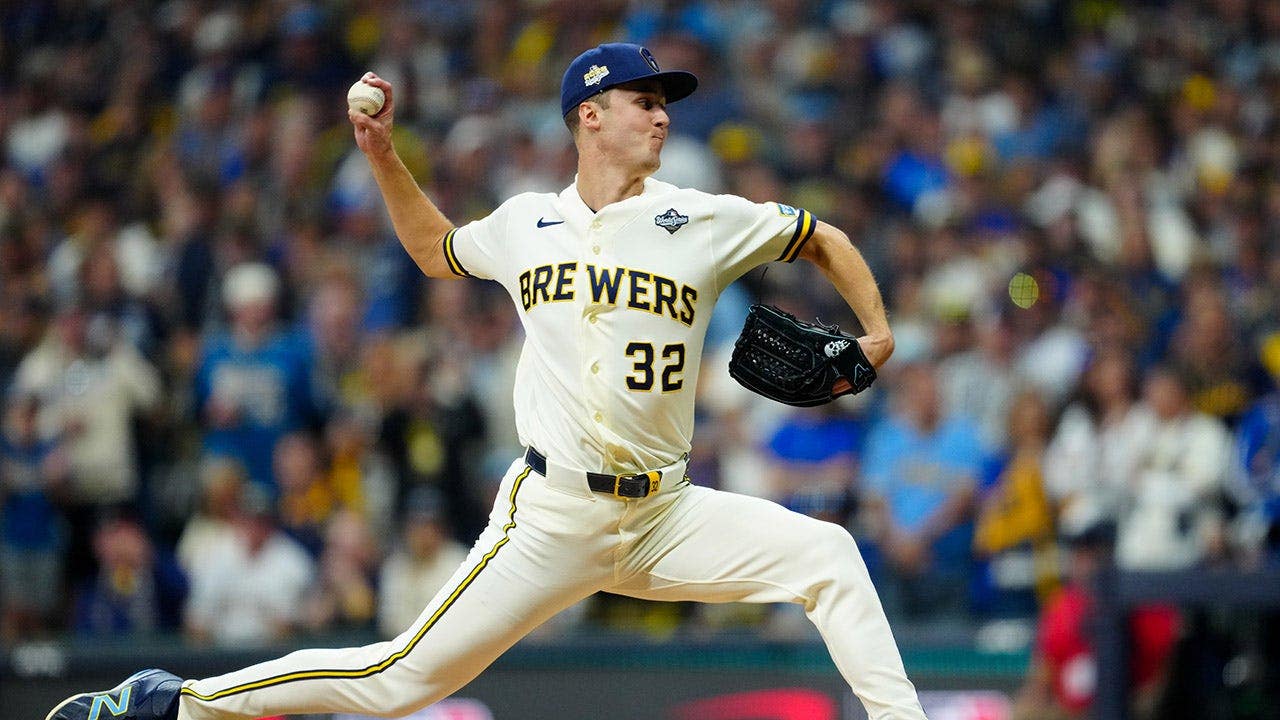
The Milwaukee Brewers had the game where they wanted it. Three outs away, a World Series clincher sitting on the table, and the whole dugout likely smelling champagne in the air. Then Pat Murphy made the kind of decision that gets replayed in living rooms, barstools and angry text chains for years: Shane Drohan in that spot, not Jacob Misiorowski. The lead disappeared, the air went out of the building, and Milwaukee went from one swing away to staring at a mess.
That’s baseball. Brutal, stubborn baseball. One call can feel like a footnote in the moment and a scar by the next morning.
The leverage point where managers get judged
Managers don’t own every game, and anybody who’s spent time around a dugout knows that. But the late innings are where the boss gets the bill. You can manage by feel all season, ride the hot hand, protect an arm here and there, and still end up with one moment that defines the whole month.
This was that kind of moment. Not because Murphy is a fool — he isn’t — but because the postseason shrinks every choice down to the size of a thumbnail. In a regular game, maybe you save the bigger arm. In Game 4 of a World Series run, with three outs left, the math changes. The best arm on the roster doesn’t get to sit politely in the corner and watch the fireworks.
Milwaukee had earned the right to be that close. They’d ripped through the postseason with the sort of momentum clubs dream about and rarely touch. They were rolling through heavyweights, beating teams with more payroll, more noise, more old-brand swagger. The Brewers had every chance to finish the job. Instead, the final inning turned into a reminder that baseball history doesn’t care what you did in the first 161 games.
Why the Misiorowski call will follow Murphy around
This is where the second-guessing starts, and some of it is fair.
If the Brewers were trying to protect Misiorowski, then fine — protect him in August. Not in a clincher. Not with a championship within arm’s reach. This is the postseason, not a spring training scrimmage. You don’t spend all year getting to the front door just to leave your best key in the car.
Drohan may have been the plan on paper. Maybe Murphy liked the matchup. Maybe he trusted the softer landing. Maybe he was playing the percentages with a tired bullpen and a scouting report thicker than a church bulletin. None of that matters much once the lead vanishes. Fans don’t remember the whiteboard. They remember the scoreboard.
And that is the danger for every manager in October: the line between smart and timid gets drawn after the result. Win the inning, and you’re a chess master. Blow it, and suddenly you’re the guy who flinched.
In the postseason, the wrong bullpen move doesn’t just lose an inning. It stains a legacy.
Brewers fans know this kind of pain too well
Milwaukee sports fans have been patient longer than most. They’ve watched good teams stop short, watched contenders find the rocks in the final stretch, watched promising seasons turn into old stories told with a shrug and a beer bottle on the table. So when the Brewers get this close, the tension isn’t new. It’s muscle memory.
What makes this one sting harder is the shape of it. This wasn’t a team getting outplayed for nine innings. This was a club with control, with leverage, with the finish line in sight. Those are the losses that lodge in the throat. They don’t feel random. They feel avoidable.
And when a team has been winning the hard way — with pitching, with defense, with grit, with just enough offense to keep the doors open — the margin for a late mistake gets even thinner. That’s the bargain. The Brewers have made a living in that narrow lane. It works until one night it doesn’t.
For a little more backdrop on the Brewers’ long, grind-it-out identity, you can look at the organization’s history and style through Milwaukee Brewers. It’s a franchise that has never been blessed with an endless stack of superstars, which is exactly why these late-game choices get so magnified.
Murphy’s bigger problem: trust cuts both ways
Here’s my read, and I’ve been around long enough to have seen this movie in different uniforms and different decades: managers fall in love with control right up until the moment control turns into a trap.
I’ve watched skippers burn a starter in the sixth because the chart said so, then act shocked when the bullpen’s cooked three days later. I’ve watched them save the big arm for “the right situation” and then discover there’s no such thing as the right situation once the season is hanging by a nail. Baseball loves its tidy logic until the pressure gets ugly. Then the game starts kicking holes in the logic.
Murphy’s problem now isn’t just the move itself. It’s what the move says. Did he trust the wrong arm? Did he overthink? Did he get conservative at the exact second the Brewers needed violence, not caution? Those are the questions that live all winter if this series slips away. And if you think players don’t notice, you haven’t spent enough time around a clubhouse. They notice everything.
The front office notices too. So do the coaches. So does every pitcher who thought he’d be the one riding shotgun in the biggest spot of the year. This is how postseason reputations get built and busted — not on broad principles, but on one choice in one inning with the whole season leaning over the rail.
What to watch if Milwaukee still has life left
If the Brewers are going to shake this off, the response has to be immediate and cold-blooded. No moping. No public mea culpa tour. The bullpen has to reset, Murphy has to own the call without turning it into a national therapy session, and the veterans have to set the tone before the first pitch of the next game.
The real test is whether Milwaukee can keep its edge after getting punched in the mouth. Clubs that survive October usually have short memories and longer spines. They don’t pretend a mistake never happened. They just don’t carry it onto the field.
If you want a useful comparison on how a coach’s decisions can shape a postseason storyline, there’s a reason people still revisit Big Ten NIL rules debates and roster-management messes in other sports: leadership choices ripple outward fast. Different sport, same human problem. Too much caution can cost more than boldness ever will.
Murphy still has a chance to turn this into a footnote instead of an indictment. But the clock got a lot louder when that lead slipped away. Now Milwaukee has to prove the bad inning was a bruise, not a break.
The next game will tell us plenty. The next bullpen call may tell us everything.
More from Straight From The Bench
Comments
Join the conversation — sign in to leave a comment.
Sign in to commentRelated Stories
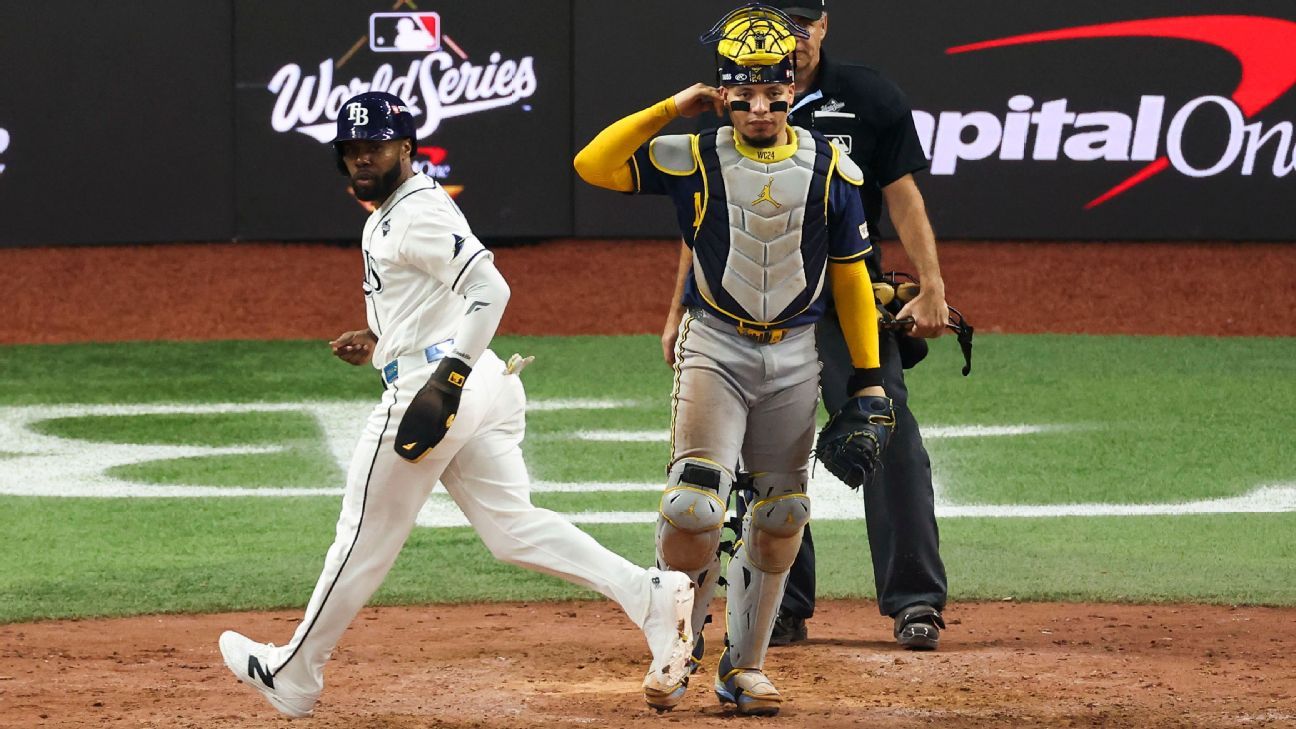
Brewers vs Rays World Series Game 5: lineups, live updates
Game 4 breathed life back into the Rays, but the series has tightened into a brutal test of nerve. Tonight in Tampa, every pitch carries October weight.
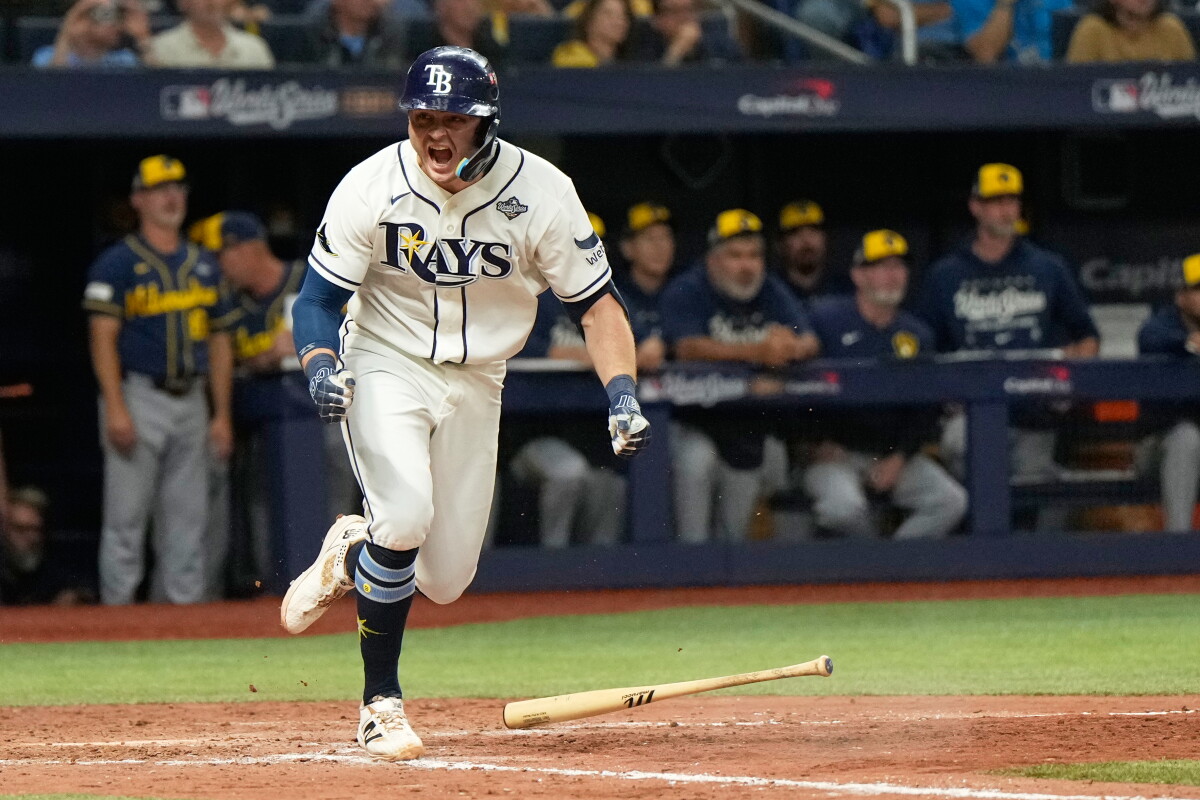
Rays vs Brewers World Series: Tampa Bay forces Game 5
The Rays dragged this thing back from the grave with a 12th-inning rally, turning Milwaukee's celebration into a long, miserable wait. Baseball is cruel like that.
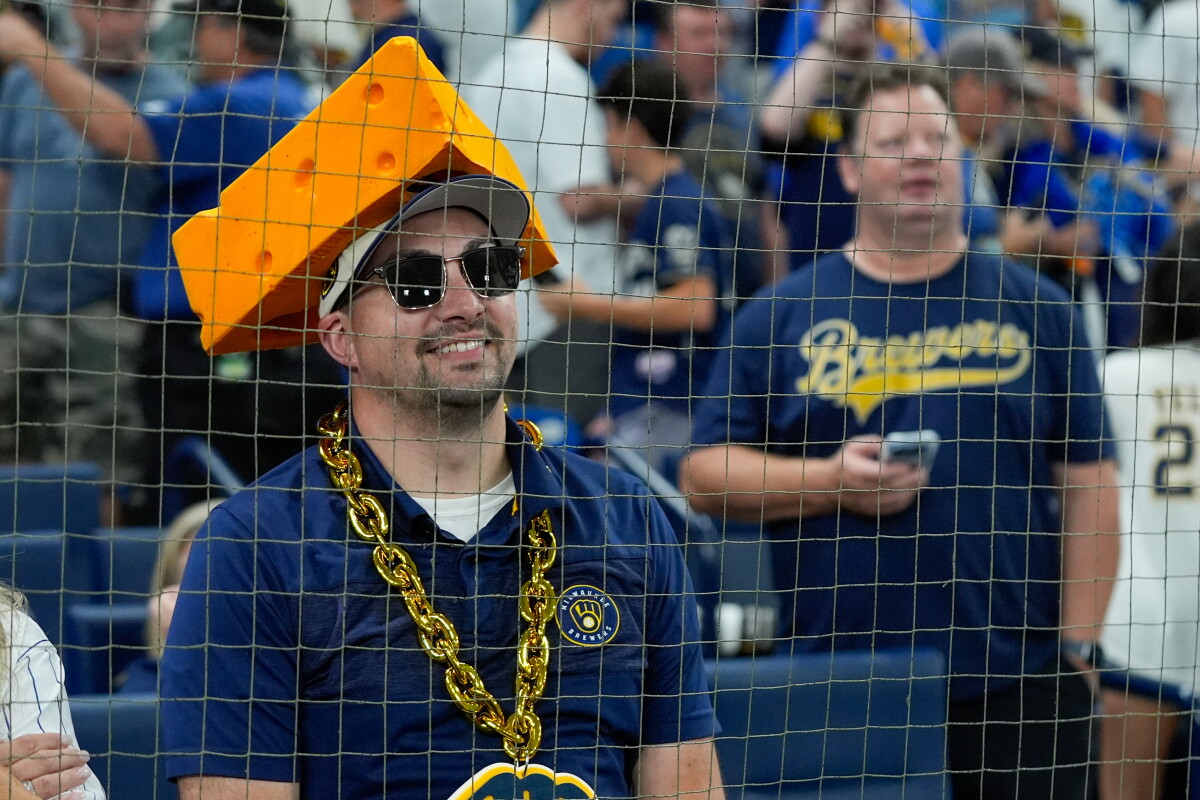
Brewers World Series Fans: Milwaukee Chases First Title at Tropicana
Brewers fans showed up in force at Tropicana Field, talking title like it was already overdue. Milwaukee’s 3-0 lead has the faithful smelling history.