Ernie Johnson retirement: Inside the NBA host says it's time
The studio’s steady hand is stepping aside, and basketball TV will never feel quite the same.
 Beatrice Kensington5 min read

Ernie Johnson has spent decades making basketball feel less like a broadcast and more like a living room with a pulse. He was the calm in the center of the storm, the man who could let Charles Barkley ramble, let Kenny Smith puncture the nonsense, let Shaquille O’Neal wander into mischief, and still keep the whole machine from tipping over. Now he says this will be his final season on Inside the NBA. It is a graceful exit, plain and simple, and it lands with the kind of quiet force that only true fixtures can carry.
There are retirements that arrive with ceremony and a confetti cannon. This one feels different. It feels like the lowering of a familiar house light. Johnson did not merely host the show; he stabilized it. He gave chaos a frame. He gave laughter a rhythm. He gave viewers permission to trust the absurdity because there was always one adult in the room, and he was never there to dominate the room, only to protect its pulse.
The end of the anchor, not just the announcer
The easy mistake is to think Johnson’s value was in being agreeable, in smoothing over personalities so large they could have scraped the ceiling. That undersells him badly. What made him indispensable was judgment. He understood when to pause, when to push, when to let the joke breathe, and when to steer the broadcast back toward the game without killing the mood.
In an era when sports media often chases volume as if volume itself were analysis, Johnson was a rare thing: a host with restraint. He knew that the best television does not always speak the loudest. Sometimes it listens. Sometimes it waits for the laugh to land, for the moment to settle, for the human part of the night to reveal itself. That is not a small talent. It is the entire job.
What this means for the show and for basketball TV
The changing broadcast landscape around the NBA already had one hand on the frame, nudging the old order toward something shinier, more fragmented, more driven by rights fees and platform wars than by chemistry. Johnson’s departure sharpens that reality. Inside the NBA has long been bigger than a studio show; it has been a public square for the league, a late-night chapel for fans who wanted wit with their box scores.
Take away Johnson, and the show does not vanish. Nothing so clean happens in television, or in life. But the texture changes. The connective tissue changes. A program built on improvisation becomes more vulnerable when the person guiding the improvisation is no longer there to catch the edges. The broadcast can survive, but it may no longer feel like the same room.
Ernie Johnson was never the loudest voice in the studio. He was the reason the loudest voices worked.
That matters because sports television, at its best, is not just commentary. It is memory. Generations of fans know the shape of a season partly through the people who narrated it for them after the final buzzer. Johnson’s face and cadence are braided into the emotional weather of the NBA calendar. For younger viewers, he is the familiar entry point into a sport that can sometimes feel overproduced and overdescribed. For older ones, he is part of the furniture.
A personal loss for viewers who grew up with him
I have always believed the best sports hosts do not merely react to the game; they become part of the game’s seasonal architecture. Johnson did that with uncommon elegance. He could move from a joke about Barkley’s fashion sense to a serious conversation about a playoff collapse and never seem to be switching gears. He made the transitions feel natural because he understood that the fan experience is not tidy. It is joy, irritation, awe, grief, and nonsense, sometimes in the same quarter.
That is why this announcement resonates beyond nostalgia. We are losing one of the last major TV figures who could make sincerity feel effortless. I do not mean sentimental sincerity, the polished kind that sits for its portrait and waits to be admired. I mean the hard-earned sort — the voice that can carry humor without mocking it, and empathy without making a show of itself. Those people are harder to replace than the networks ever admit.
There is a parallel here to so many institutions now in transition: once the steady hand leaves, everyone discovers how much of the operation depended on invisible craft. You do not notice the frame until it starts to wobble. Johnson was the frame. Not the mural. The frame.
The final season should be treated like a farewell tour, not a countdown
The temptation, of course, will be to treat this season like an extended goodbye party, every appearance a reminder of what is ending. That would miss the point. Johnson’s greatest gift has always been his ability to keep the focus on the present tense. The best tribute to him is not a highlight reel of old clips, though there will be plenty of those. It is a broadcast that still trusts its own chemistry, still allows humor to sit beside criticism, still respects the audience enough to think it can handle both at once.
And there is a broader lesson in his exit. Sports media is entering a harsher, noisier age, one that prizes speed and certainty over timing and feel. Johnson’s career argues for the opposite. He was proof that authority can be gentle, and that the room often belongs to the person who knows when not to take it.
The show will go on. It always does. But the glow around it will be different now, a little less anchored, a little more vulnerable, and far more aware of the man who kept the whole thing from drifting off course.
This season is the last chapter of an era. The desk will still be lit. The jokes will still fly. But the center will feel changed, and everyone who has ever loved that show will feel it right away.
More from Straight From The Bench
Comments
Join the conversation — sign in to leave a comment.
Sign in to commentRelated Stories
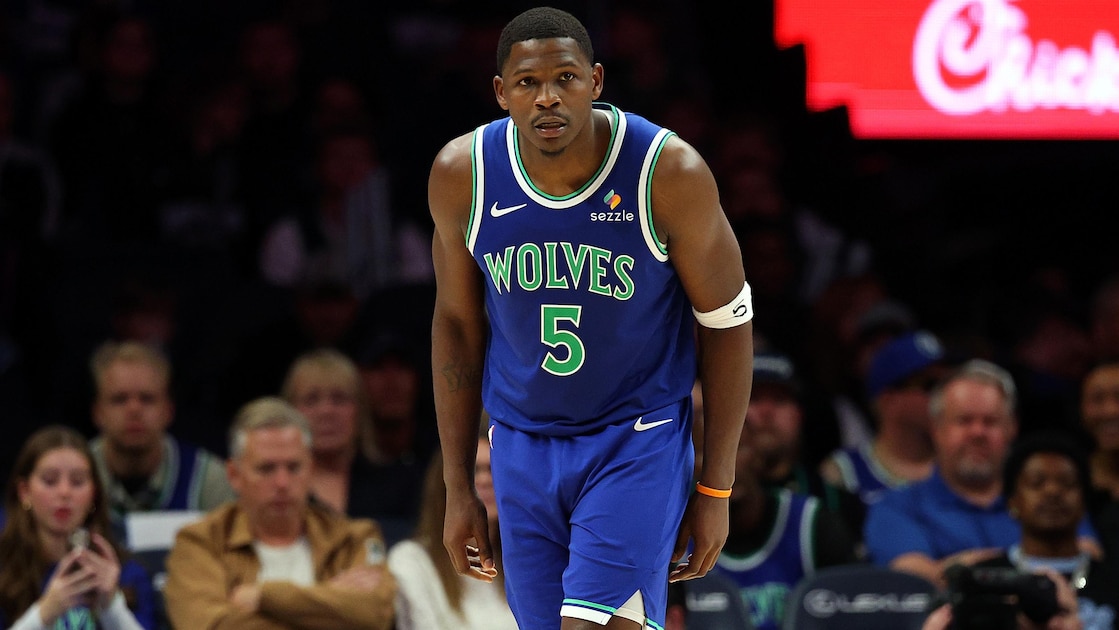
Anthony Edwards knee injury update: Wolves won't rush return
Tim Connelly gave the cleanest update yet on Anthony Edwards, but there’s still no return date. The Timberwolves are playing this one like a playoff series, not a sprint.
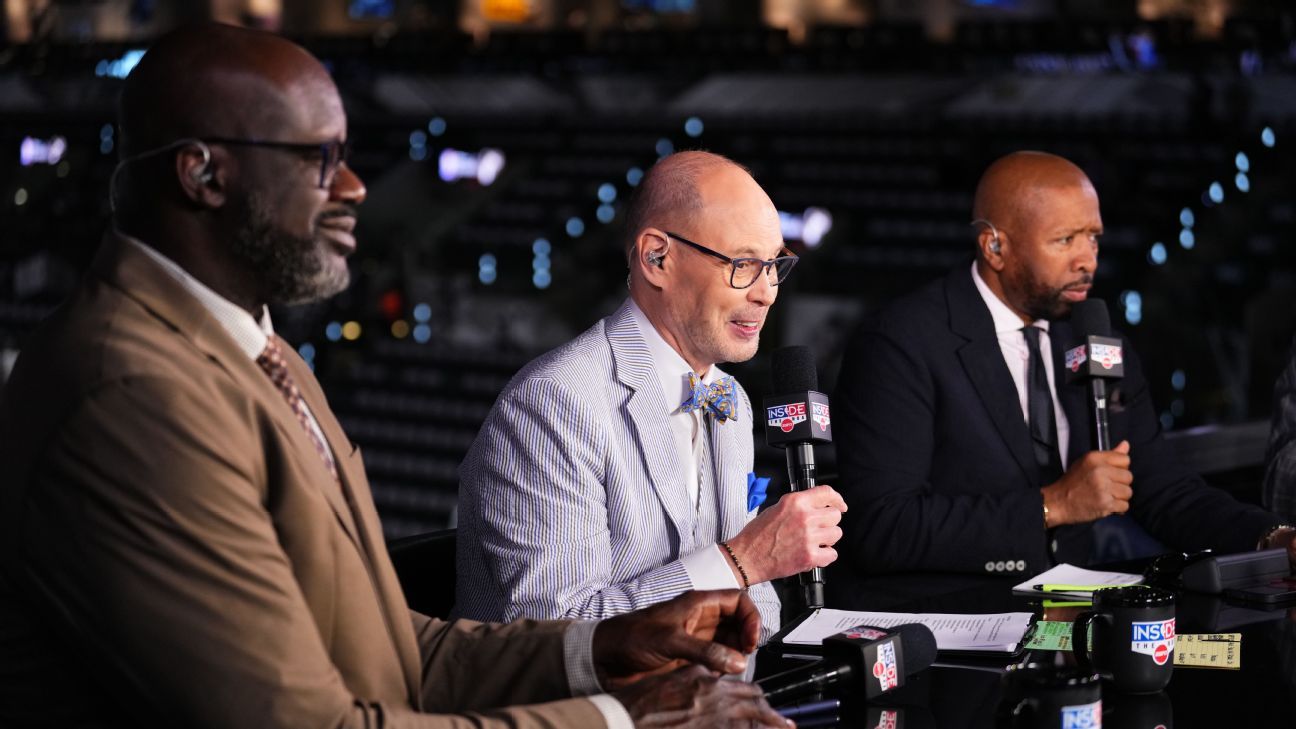
Ernie Johnson Retirement: Inside the NBA Host Says It's Time
Ernie Johnson says this is his final season hosting Inside the NBA. The show loses its steady hand, and the sport loses one of its rare adults.
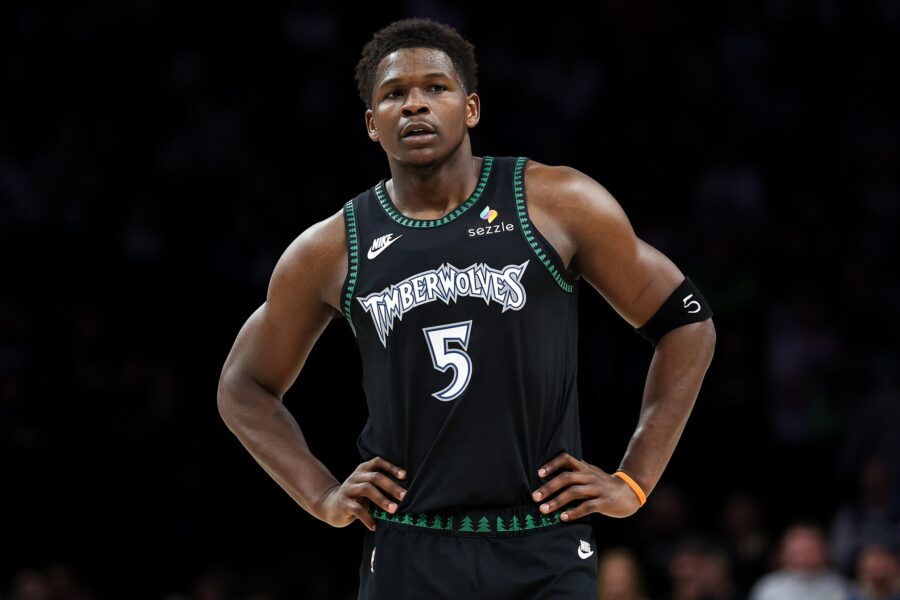
Anthony Edwards Knee Surgery Update: Timberwolves Face Long Absence
Anthony Edwards is headed for knee surgery and could miss more than two months. For Minnesota, this is more than an injury update; it’s a test of identity.