
Caitlin Clark vs Paige Bueckers: Cultural Divide Explained
Same skin tone, wildly different sports-culture baggage.
 Zane Miller5 min read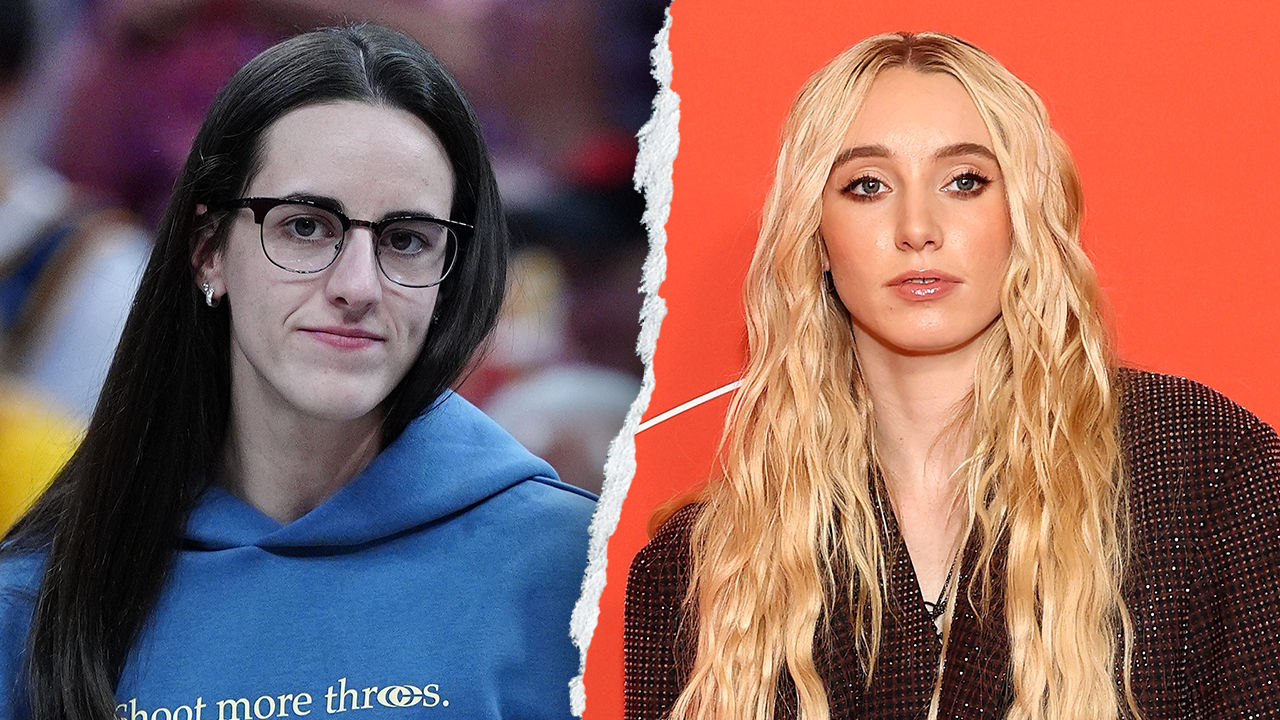
Caitlin Clark and Paige Bueckers are being discussed like they came from the same script. They didn’t. Same sport, same race label, same superstar gravity — but the way fans, media, and the culture-war crowd have treated them has split hard, and that split says more about the audience than either player.
This is not just about basketball. It’s about how stardom gets filtered in real time now: through race, gender, nostalgia, tribal fandom, and the social media machine that rewards the hottest take in the room. Clark became a lightning rod before she even finished college. Bueckers became a beloved talent with a cleaner lane, then kept running into injuries and a quieter, more curated kind of attention.
Clark became a symbol before she became a pro
Indiana Fever fans know this already: Caitlin Clark was never going to be evaluated like a normal No. 1 pick. She arrived carrying TV ratings, ticket spikes, and the kind of attention that usually belongs to a league-wide tentpole, not a single rookie guard. That makes her impact real. It also makes her a target.
The problem is the conversation around Clark stopped being about step-back threes and pace and started getting repackaged into every possible cultural grievance. Once a player becomes a container for other people’s politics, the basketball gets buried fast. And when that player is White, elite, and wildly marketable, the reaction gets even messier because everyone feels the need to claim the narrative or burn it down.
Clark’s game invites scrutiny because it’s loud. She talks with her play. Long logo-range shots. Big-brain passing. A swagger that doesn’t ask permission. That kind of profile has always split people. In the social era, it just splits louder.
Bueckers has been protected by a different kind of spotlight
Bueckers came up with a different vibe. She was the polished prodigy, the can’t-miss guard from UConn with the highlights and the profile, but not the same level of cultural static. Part of that is timing. Part of it is injuries. Part of it is that her brand has been easier for the broader basketball public to enjoy without turning her into a test case.
That doesn’t mean Bueckers has been sheltered from pressure. It means the pressure has looked different. Her story has been shaped more by health, patience, and projection. People talk about what she can be. Clark gets talked about as if every possession is a referendum.
That gap matters. WNBA discourse has always had an odd relationship with marketable stars, but this one has shown how quickly a player can become a proxy in arguments they never signed up for. Bueckers is admired. Clark is argued over. Both are elite talents. Only one became the political football.
The league doesn’t get to control the internet, but it does get blamed
Here’s the part executives understand even if they won’t say it out loud: the modern women’s basketball economy needs stars, but it still doesn’t know how to cleanly monetize them without turning every debate into a fight about race, favoritism, or respect.
The WNBA is benefiting from Clark’s drawing power in obvious ways. More attention, more eyeballs, more conversation. That’s the easy part. The hard part is that explosive growth also creates a permanent noise floor. Every foul becomes a morality play. Every old clip gets replayed with a new agenda. Every comparison between Clark and another star turns into an audition for the internet’s worst instincts.
Bueckers sits in a strange middle space. She’s a star people like to like. Clark is a star people feel compelled to define. In a sane media ecosystem, both would simply be building the league. Instead, one is often treated as a symbol of innocence and the other as a symbol of disruption. That’s not about talent. That’s about story demand.
The sports culture war never just wants the player. It wants the player as proof.
My read: this is bigger than Clark and Bueckers
I’ll say it straight: we’re watching a familiar American pattern, just with a new arena and a new set of faces. When a woman’s basketball player becomes big enough to matter outside the box score, people stop discussing her as an athlete and start assigning her to their identity maps. White players get pulled into a weird set of assumptions — some flattering, some ugly, some both at once. Black stars get framed through different defaults. The result is a conversation that sounds like sports but behaves like culture politics.
I’ve seen this movie in other forms across the NBA, across college football, across tennis. The athlete who becomes “too legible” to one side of the audience usually gets overexposed, then overcorrected, then flattened. The one who stays a little more protected in the public imagination gets treated as if the air around them is calmer than it really is. That’s what’s happening here. Clark is carrying the blast radius because she’s the most impossible to ignore. Bueckers is carrying the expectation that she can remain above it all, which is its own kind of burden.
The league would be smart to stop pretending this is just organic fandom. It’s not. Social platforms now manufacture rivalries, moral hierarchies, and fake consensus in the span of a single clip. That’s why the Clark-Bueckers split feels so dramatic: the players didn’t diverge as much as the public narratives did.
What comes next is the part that actually matters
The next chapter is simple. Clark keeps producing, the Fever keep trying to maximize a roster built around a gravitational force, and Bueckers keeps carving out her own lane as her body holds up and her role expands. The stars will be fine. The conversation around them may never be.
And honestly, that’s the story. Not that two White stars were compared. That’s the lazy headline. The real headline is that modern sports culture can look at two similarly gifted players and turn them into completely different symbols before the league has even finished processing the ratings.
More from Straight From The Bench
Comments
Join the conversation — sign in to leave a comment.
Sign in to commentRelated Stories
England Put Fiji to the Sword, but the Real Story Is What They Built While the Cards Piled Up
England ran riot against 14-man Fiji, but the scoreline only tells half the tale. The sharper question is whether this was conviction or just a team enjoying a very big day.

Corrèze Blinks, the Tour Rewrites: Heat Wins This Round
Stage 9 bends before the heat in Corrèze, a reminder that July in France now races against the weather as much as the clock.

NASCAR Cup Series Atlanta Race: Quaker State 400 Live Updates
Atlanta is back in its usual role as a draft-race headache with weather lurking nearby. The Quaker State 400 should be messy, fast and worth every lap.