
MLB Draft: Cardinals Bet Big on Pitching Depth
A day for arms, risk, and the old baseball instinct that power can be taught but velocity rarely can.
 Beatrice Kensington6 min read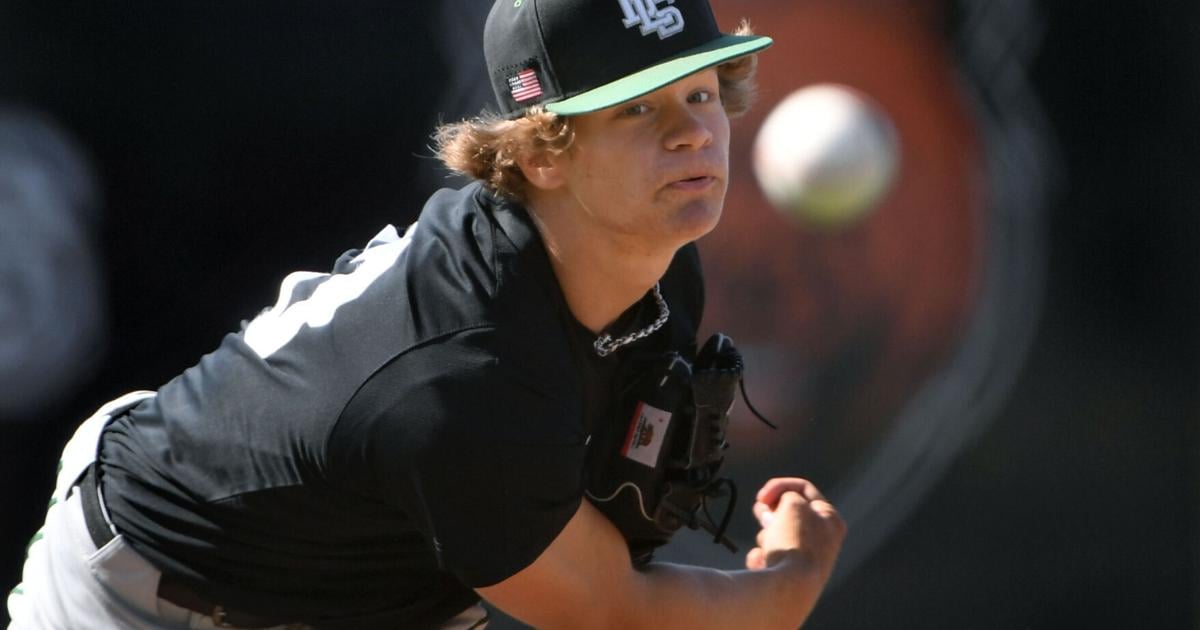
The Cardinals spent Day 2 of the MLB Draft doing what so many clubs claim to do and so few truly commit to: betting on the arm. In a draft built on uncertainty, St. Louis kept reaching for velocity, for projection, for the kind of pitching talent that can look like a gamble in July and a revelation by the time the leaves turn. One of the picks, described in the draft chatter as a kind of fastball “unicorn,” fits the modern appetite perfectly — the sort of pitcher evaluators stare at and immediately begin arguing over.
This is not a sentimental exercise. It is a practical one. The Cardinals have lived long enough in the middle ground to know that organizational respectability is not the same thing as organizational edge. Their Day 2 direction said something plain and maybe overdue: if you want to build a staff that can survive October weather, you need more than polished strike-throwers and nice stories. You need arms with teeth.
St. Louis went looking for ceiling, not comfort
The draft always flatters certainty, right up until it doesn’t. A bat with a clean line drive stroke can feel safer on paper; a pitcher with a rare fastball can look like a headache with a radar gun. Yet the Cardinals’ choices suggest they understand the current arithmetic of the sport: premium pitching is scarce, and scarcity makes even imperfect arms valuable.
That is especially true for a franchise trying to reassert itself after too many seasons of feeling caught between eras — too proud to tear it all down, too uneven to credibly call itself a contender. The farm system has to supply not just bodies, but leverage. A power arm can do that in a way a lower-ceiling arm often cannot.
The word “unicorn” gets thrown around until it loses all shape, but in baseball it usually means one of two things: either a pitcher with a trait so unusual that scouts cannot quite agree on where the floor is, or a player whose raw stuff changes the way a game is managed. Managers, after all, live by the clock and the matchup. If a young pitcher can alter that script, he matters long before he is polished.
Why pitching still rules the draft board
Baseball never quite stops returning to the same truth: hitters are made; velocity arrives like weather. You can teach approach, discipline, and field awareness. You can polish mechanics and refine a plan. But elite arm strength, the kind that bends a catcher’s mitt and makes a scout sit straighter in his folding chair, is harder to manufacture.
That is why the Cardinals’ approach feels so rational even if it carries the usual draft hazards. Pitchers break. Pitchers stall. Pitchers can be undone by a delivery that only looks repeatable in summer showcases. But the upside remains alluring because the payoff is outsized. One front-line starter can change the shape of a rotation, and two can change the mood of an entire season.
In baseball, a good arm is a promise. A rare one is a dare.
The Cardinals know this better than most. Their history is lined with pitchers who defined eras not by volume of hype but by the authority of their stuff and the steadiness of their command. It is the oldest St. Louis temptation and the smartest one too: draft enough athleticism, enough strike-throwing, enough bat-missing talent, and let development do its patient work.
The Futures Game is the right mirror for this moment
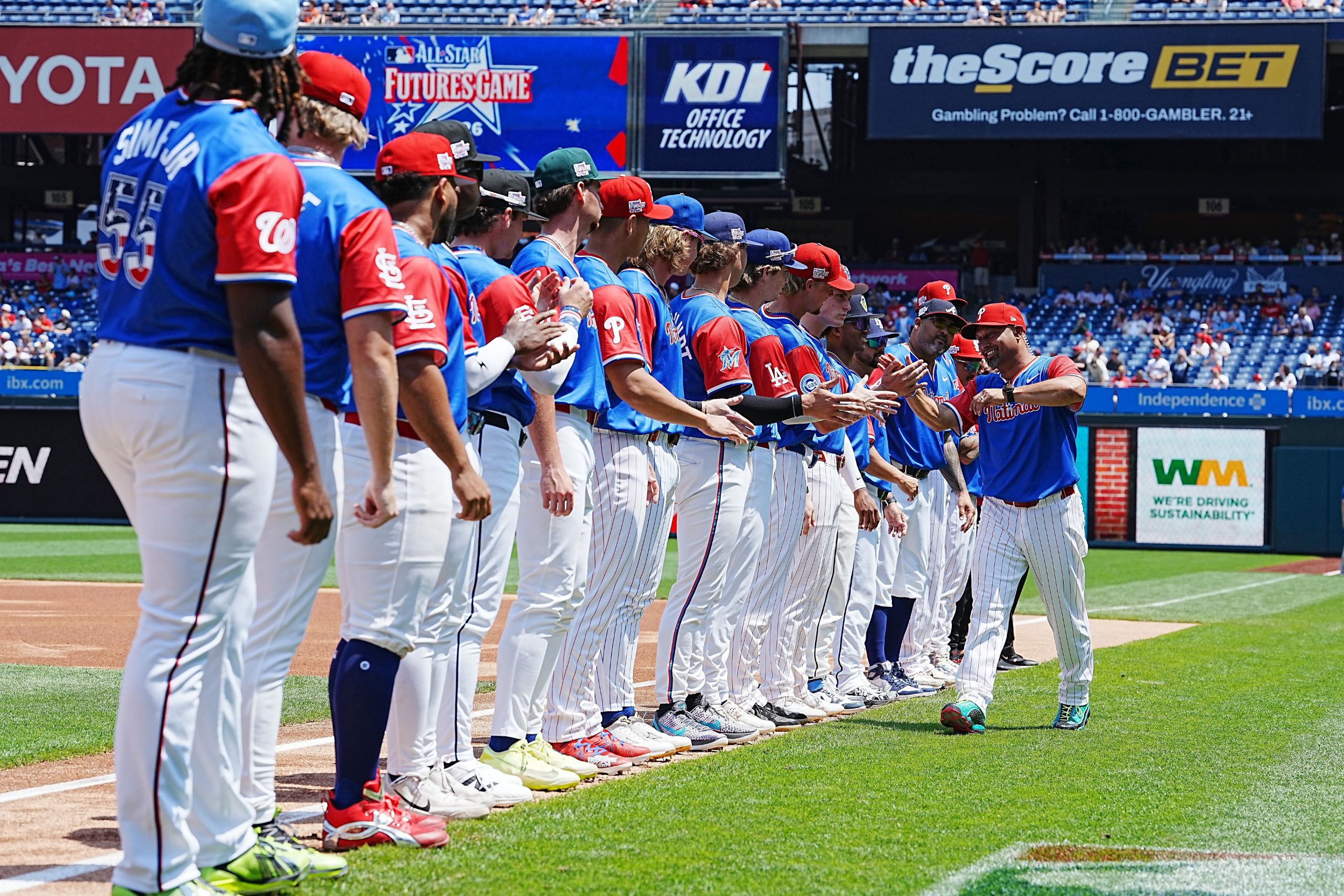
The reporting note that the coverage also includes the Futures Game in Philadelphia is not incidental. That event has become baseball’s annual showroom for possibility, a place where front offices, scouts, and fans measure not just talent but shape — what kinds of players are arriving, and what kind of game they might eventually force everyone else to play.
The Cardinals’ Day 2 draft posture fits neatly beside that stage. The modern game belongs to impact, to swing-and-miss, to pitchers who can miss bats before those bats can make a plan. If St. Louis is threading its way toward that future, then the draft board is less about filling holes and more about placing bets on tools that are increasingly expensive on the open market.
There is also a deeper organizational question here. Can the Cardinals turn raw power into reliable innings? Can they build not just a collection of arms, but a development pipeline that preserves health and sharpens execution? The draft does not answer that. It only reveals whether the club understands what it lacks.
My read: this is the kind of draft that can age well
I have long believed baseball clubs should be judged less by the elegance of their draft-room language and more by whether their choices reflect a coherent fear. Fear, in this context, is healthy. Fear of being ordinary. Fear of paying full market price for pitching later. Fear of settling for a roster that looks balanced until it is asked to survive a six-month season.
The Cardinals’ Day 2 leaning toward pitchers tells me they still grasp the value of leverage, even if the organization’s recent results have sometimes blurred the message. Not every arm will work out. Most won’t. That is the honest curse of drafting pitchers. But if the fastball truly is special — if the “unicorn” label has any lasting meaning at all — then St. Louis may have added the sort of talent that does not merely fill a slot, but alters expectations.
The better clubs in this sport are often the ones willing to live with uncertainty in exchange for ceiling. The lesser clubs are the ones who confuse predictability with prudence.
The Cardinals, for one day at least, chose the harder and smarter road.
What to watch next in St. Louis’ draft haul
The next question is development, and that is where every draft class earns or loses its reputation. Did the Cardinals leave Philadelphia with arms that can move quickly, or with projects that will need years of coaxing? Did they prioritize one identifiable trait, or spread their attention across multiple tiers of upside? The answers will determine whether this Day 2 looks bold in retrospect or merely busy.
For now, St. Louis has done what good clubs must sometimes do: trust the stuff, accept the volatility, and keep reaching for pitchers who can make hitters uncomfortable. It is not glamorous. It is not tidy.
It might be the right thing.
And if one of these arms becomes the next serious inning-eater in St. Louis, nobody will remember how cautious the pick looked on draft night. They will remember the radar gun.
More from Straight From The Bench
Comments
Join the conversation — sign in to leave a comment.
Sign in to commentRelated Stories
Orioles Blaze Alexander Hand Injury: Baltimore’s Break Gets Ugly
Blaze Alexander’s breakout run got clipped by a fractured left hand, leaving Baltimore with another roster puzzle and a familiar kind of bad luck.
Future’s Game Poured Cold Water on the Hype Machine, and That’s Fine
The American League’s 6-1 win at the Futures Game had more to say about the next wave than the final score ever could.
Cubs Win the Break, But the Pitching Cart Still Has a Wobbly Wheel
A good Cubs win, a useful draft haul, and a pitching staff held together with tape. The break helps, but the questions are still walking right behind them.