Orioles Blaze Alexander Hand Injury: Baltimore’s Break Gets Ugly
A hot streak meets a hard stop, and the Orioles feel it where depth gets thin.
 Leo Lupo6 min read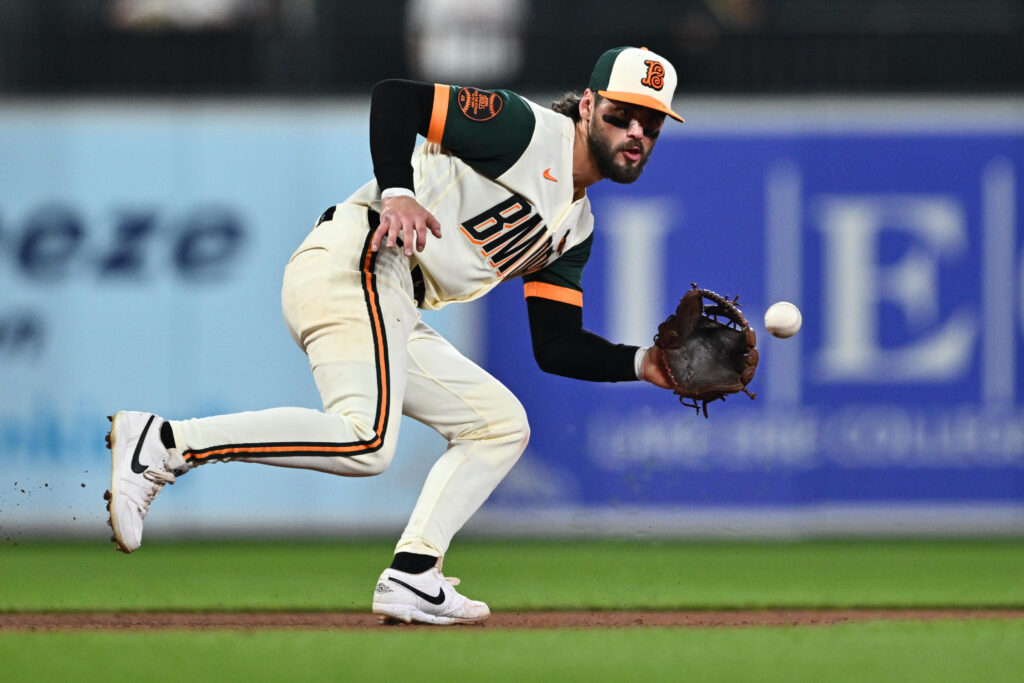
A cheap shot from a fastball, and a fresh headache in Baltimore
The Orioles were rolling along to an 8-2 win over the Royals, and then the kind of baseball nonsense that always arrives without an RSVP walked through the door. Blaze Alexander, who had given Baltimore a useful little jolt in a breakout year, left with a non-displaced fracture in his left hand after getting hit by a pitch. That’s the game. One swing of the bat, one ball in the wrong place, and a hot hand turns into a splint, a trainer, and a lineup card with a hole in it.
There’s no varnish to put on this. A fractured hand for a hitter is bad news, full stop. For a utilityman, it can be worse because those guys survive by being available. You don’t keep a Swiss Army knife in the toolbox if the blade is bent. Baltimore now has to ask the same old question every club asks when a role player goes down: who covers the innings, the at-bats, and the little jobs that never make the highlight reel but keep the machine moving?
Blaze Alexander’s breakout was giving the Orioles something real
Alexander wasn’t some decorative bench piece. He was putting together a year that mattered, the kind of performance that earns a player trust before it earns him headlines. In a sport that chews through bodies and batting averages with equal enthusiasm, breakout years from utility guys are gold. They let a manager breathe a little easier. They let the roster absorb the odd bruise, the day off, the stretch of bad weather and worse swings.
Now the Orioles have to live without that flexibility, and that matters more than the casual fan might think. A utility player sounds interchangeable until you actually need one. Then you’re hunting for someone who can move around the infield, survive a matchup, and not turn every late-game substitution into a small disaster.
Baltimore’s been down this road before. Clubs can talk all they want about depth until the depth chart starts getting used like a paper towel. This is where a front office earns its keep. You don’t build a roster for the good days. You build it for the Tuesday night when a line drive catches a finger, a starter lands on the shelf, or a hand gets nicked and suddenly the bench looks thin as cigarette paper.
The Orioles’ depth is being tested the hard way
If you’re the Orioles, this isn’t just about replacing one player’s bat. It’s about preserving the shape of the roster. Alexander’s value came from the fact that he could patch holes before they got ugly. Lose that, and somebody else has to play up a slot, which can ripple through the rest of the lineup like a bad weld.
That’s especially touchy for a team trying to stay sharp over a long season. Baltimore has been one of those clubs that can look deep on paper and still discover how fragile that depth really is once the schedule starts taking bites. One injury by itself rarely sinks a team. A couple of these and you’re suddenly asking a middle infielder to do a job he hasn’t done much, or hoping a younger player grows up three weeks ahead of schedule.
Baseball never apologizes for bad timing. It just hands you a fracture and keeps the inning moving.
The larger problem is that hand injuries linger in the offensive game. Even when the fracture isn’t displaced, even when the doctors sound measured and the language stays polite, hitters still have to grip the bat, absorb vibration, and trust a body part that just got introduced to pain by a 95-mile-an-hour delivery. That trust doesn’t snap back overnight. Players say they’re fine. Then they’re not fine on the first inside fastball.
What Baltimore can’t afford is a shrug
This is where a team separates itself from the amateurs who think “next man up” is a strategy instead of a slogan. The Orioles need a real plan, not a motivational poster. They may be able to cover Alexander’s absence for a while, but every club says that until the innings pile up and the lineup starts looking improvised.
Baltimore’s front office will have to balance urgency against patience. Rush somebody back and you risk turning a temporary injury into a lingering problem. Wait too long and the lineup loses edge. That’s the ugly arithmetic of the season. Nobody wins it by being the loudest. They win it by surviving the middle months without letting a small injury become a season-long tax.
I’ve covered enough of these summers to know the script. A utility guy gets hot, the club starts leaning on him, and then one ball in the wrong spot changes the conversation. I’ve seen teams talk themselves into believing depth is about names on a board. It’s not. Depth is about whether those names can still swing, throw, and run when the calendar starts sanding the edges off everybody.
Baltimore should still be able to patch the immediate gap. That’s the easy part. The hard part is preserving the confidence Alexander had started to bring. Breakout players matter because they make a roster feel less vulnerable. Lose one, and the whole bench can start looking like a question mark with cleats on.
The Orioles won the game, sure. Nice little footnote for the box score crowd. But the real story is that Baltimore took a win and traded it for uncertainty. That’s a lousy deal in July, or any month, really.
What to watch next for Alexander and the Orioles
The next update will tell us more about the recovery window, but even before that, the roster move traffic should start. Someone’s going to get a call. Someone else is going to get more reps than planned. And Alexander’s absence will force Baltimore to decide whether it wants a clean stopgap or a more aggressive shuffle.
For Alexander himself, the task is simple and miserable: heal, don’t rush, and come back with the bat speed intact. For the Orioles, the assignment is tougher. Keep the season steady while one of your useful pieces sits out with a hand that got the worst of a bad night.
Baseball loves a neat little comeback story. This one starts with pain, and Baltimore has some rearranging to do before it gets to the happy part.
More from Straight From The Bench
Comments
Join the conversation — sign in to leave a comment.
Sign in to commentRelated Stories
MLB Draft: Cardinals Bet Big on Pitching Depth
St. Louis kept leaning into the mound on Day 2 of the draft, chasing fastballs, projection, and the sort of upside that can change a farm system overnight.
Future’s Game Poured Cold Water on the Hype Machine, and That’s Fine
The American League’s 6-1 win at the Futures Game had more to say about the next wave than the final score ever could.
Cubs Win the Break, But the Pitching Cart Still Has a Wobbly Wheel
A good Cubs win, a useful draft haul, and a pitching staff held together with tape. The break helps, but the questions are still walking right behind them.